

National advancement requires a calibrated approach to transport efficiency. The Government of Pakistan is currently calibrating a structural shift in the automotive landscape through the introduction of affordable small cars within the L6 and L7 categories. These proposed reforms, detailed under the draft New Auto Industry Development & Export Policy (AIDEP) 2026–31, aim to dismantle the high barrier to entry for four-wheel mobility.
Developing the Ecosystem for Affordable Small Cars
The proposed L6/L7 category serves as a strategic catalyst to bridge the vast gap between three-wheelers and 660cc hatchbacks. Currently, the market lacks a precision-engineered entry point for lower-middle-income households. Consequently, millions of citizens remain restricted to motorcycles, despite significant safety risks and climate exposure.
- L6 Category: Lightweight quadricycles designed for urban precision.
- L7 Category: Small-scale vehicles with higher utility for city commuting.
- Economic Target: Pricing structures significantly lower than the current Suzuki Alto baseline.
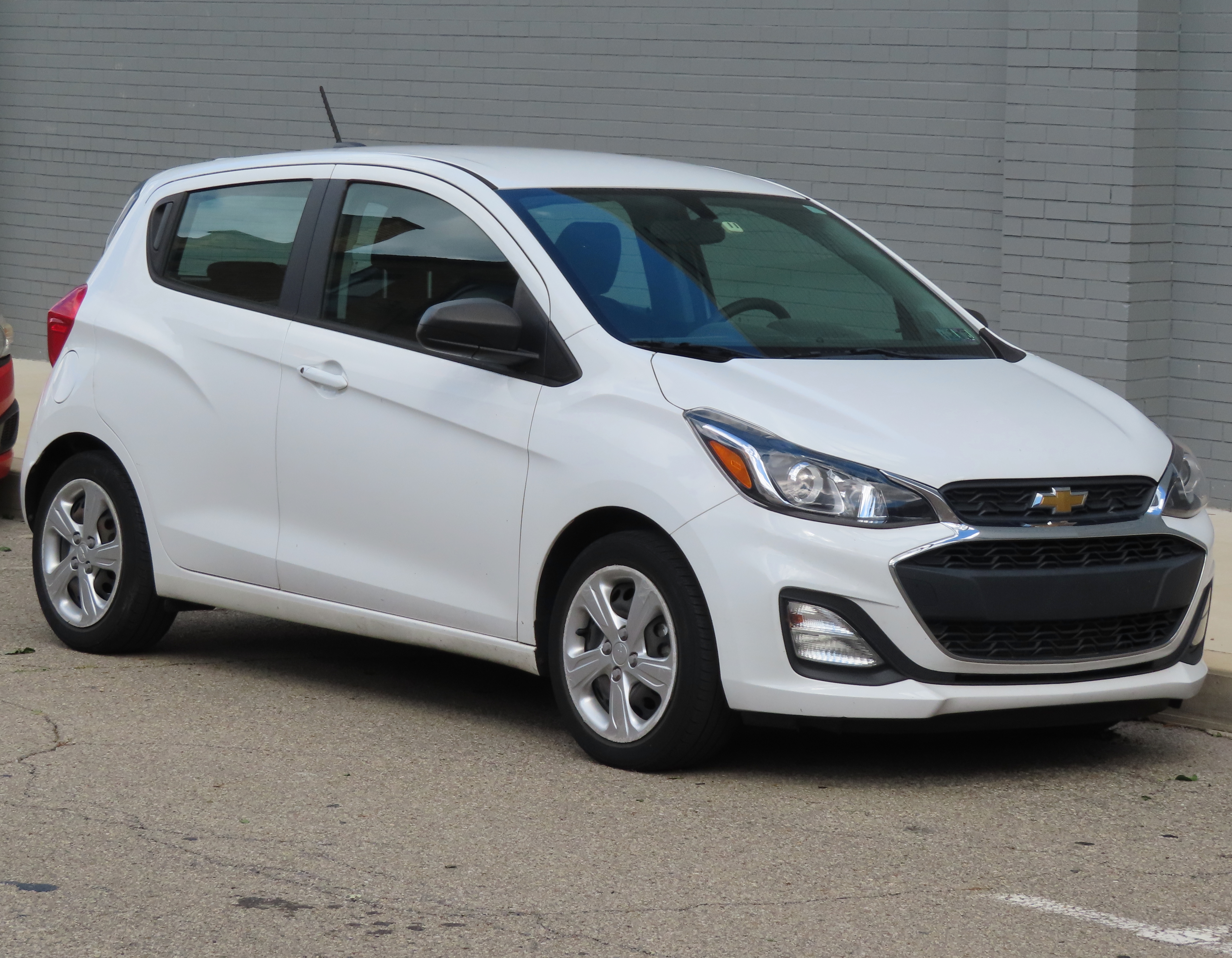
The Situation Room: Analysis
The Translation
In technical terms, L6 and L7 are international classifications for light quadricycles. By introducing these standards into Pakistan’s legal framework, the government is essentially creating a “new floor” for the auto market. This move allows manufacturers to produce simplified, fuel-efficient vehicles that prioritize basic safety and urban mobility over luxury features, thereby reducing the manufacturing cost baseline.
Socio-Economic Impact
This development directly impacts the daily safety and economic productivity of Pakistani households. By introducing affordable small cars, the government provides a safer alternative for the millions of motorcycle users who currently navigate hazardous urban traffic. Furthermore, localized manufacturing for this segment will likely stimulate job creation within the domestic auto-assembly ecosystem and encourage technical specialization among local engineers.
The Forward Path
This initiative represents a Momentum Shift. While still in the review phase, the policy demonstrates a strategic pivot from high-margin luxury assembly to high-volume utility manufacturing. If executed with precision, this could revolutionize urban transport documentation and provide the structural stability needed for a modern, documented economy.








