Pakistan is orchestrating significant progress in the US-Iran nuclear deal negotiations. This strategic diplomatic push, involving extensive backchannel and shuttle diplomacy, aims to finalize critical agreements on uranium enrichment duration and Iran’s highly enriched uranium stockpile. Consequently, this initiative positions Pakistan as a pivotal mediator, fostering regional stability and advancing a framework for a lasting resolution. Senior Pakistani officials express calibrated optimism that these ongoing efforts could soon yield a breakthrough.
Understanding the Geopolitical Architecture: Deconstructing the US-Iran Nuclear Deal
The core of these intricate negotiations revolves around key technical and political parameters. Specifically, discussions address the duration of any uranium enrichment freeze and the future management of Iran’s substantial stockpile of highly enriched uranium. These elements are critical for establishing a verifiable framework. Moreover, Pakistan’s Foreign Minister Abbas Araghchi acknowledged Islamabad’s facilitating role, highlighting the structural importance of these discussions. Mediators are currently relaying messages between Washington and Tehran, systematically laying groundwork for a potential second round of direct talks.

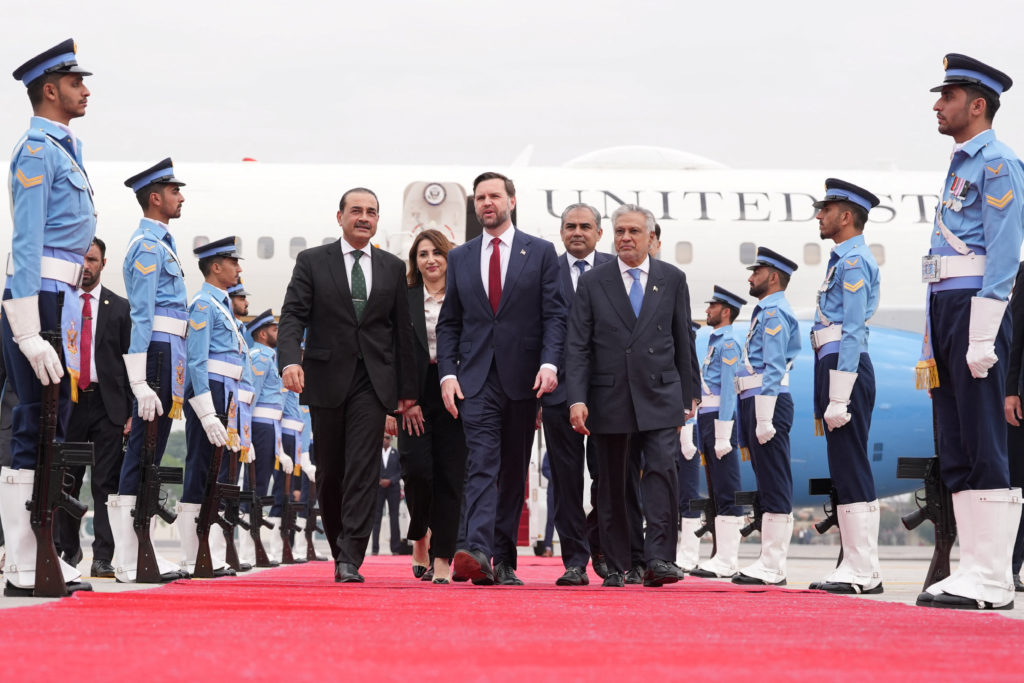
Initial talks in Islamabad concluded without a final agreement; however, Pakistan intensified its efforts through what officials term “shuttle diplomacy.” Key unresolved issues persist, including the specific length of Iran’s nuclear freeze, which is reportedly debated between five and twenty years. Furthermore, the disposition of Tehran’s 440 kilograms of highly enriched uranium remains a central point of negotiation. Prime Minister Shehbaz Sharif’s parallel diplomatic tour across Saudi Arabia, Qatar, and Turkey strategically builds broader regional consensus, bolstering the comprehensive effort to secure a definitive US-Iran nuclear deal.

The Translation: Clarifying Core Deal Components
At its essence, the prospective US-Iran nuclear deal seeks to establish a baseline of trust and verifiable compliance. “Uranium enrichment freeze” refers to a temporary halt or limitation on Iran’s capacity to enrich uranium, a process crucial for both nuclear energy and weapons. “Highly enriched uranium” represents material with a higher concentration of the fissionable isotope U-235, posing proliferation concerns if uncontrolled. Pakistan’s role is to bridge these technical and political divides, transforming complex stipulations into actionable agreements. Consequently, this mediation provides a vital communication channel, fostering an environment where direct dialogue can eventually flourish.
Calibrating Regional Stability: Direct Impact on Pakistani Households
The successful conclusion of a US-Iran nuclear deal holds profound implications for Pakistani citizens. A reduction in regional tensions could lead to a more stable geopolitical landscape, which often translates into improved economic conditions. For instance, enhanced trade routes and reduced security risks directly benefit businesses and consumers. Professionals in sectors like logistics, energy, and finance will experience increased stability. Moreover, a more peaceful Middle East provides a predictable environment for Pakistani students and families residing abroad, lessening anxieties related to regional conflict.
In rural Pakistan, reduced global energy price volatility, often influenced by Middle Eastern stability, can indirectly impact the cost of essential goods and agricultural inputs. Therefore, this diplomatic breakthrough is not merely a high-level political event; it represents a structural improvement in the conditions that underpin daily life across both urban and rural Pakistan. The calibration of these regional dynamics is paramount for sustained national advancement and system efficiency.
Charting the Future: Momentum Shift or Stabilization Move?
This development undeniably signifies a Momentum Shift towards progress. The intensified “shuttle diplomacy” and the expressed optimism from senior officials underscore a proactive pursuit of resolution, not just maintenance of the status quo. Furthermore, former President Donald Trump’s public statement suggesting an “amazing two days” and an imminent end to conflict provides external validation for this accelerated pace. Pakistan’s strategic engagement moves beyond mere facilitation; it actively shapes the architectural framework for a future regional security paradigm. This represents a tangible progression in international relations, leveraging precision diplomacy to de-escalate potential flashpoints.