
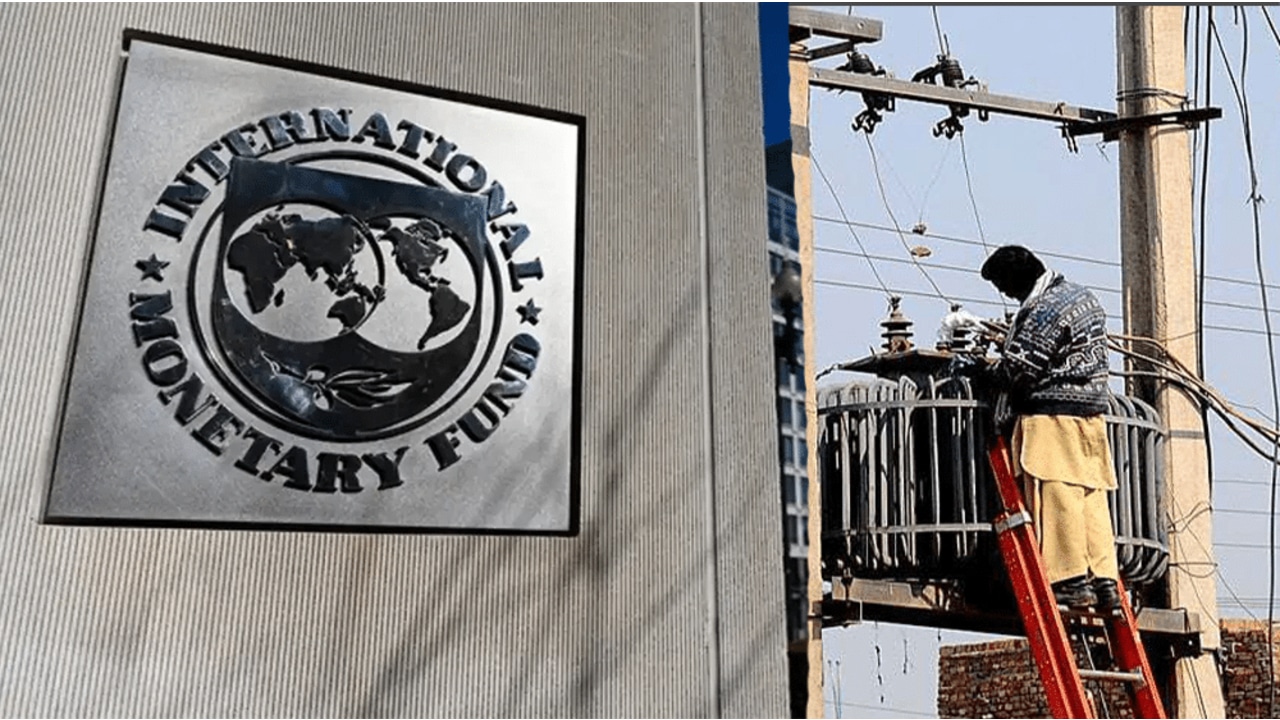
Pakistan has failed to meet a core structural benchmark under the IMF program by missing the June 2026 target to contain power sector circular debt. While the calibrated goal was Rs. 1.614 trillion, the actual outstanding stock surged to Rs. 1.835 trillion, exposing deep-seated systemic inefficiencies. This precision gap of approximately Rs. 300 billion stems primarily from unpaid dues and underperforming distribution companies.
Calibrating the Deficit: Why the Target Slipped
Government officials attribute this fiscal deviation to two primary catalysts. First, K-Electric maintains unpaid power purchase dues totaling nearly Rs. 200 billion. Second, the weak financial performance of various power distribution companies (DISCOs) continues to drain the system. Consequently, the government missed the target by a significant margin, making the goal of zero annual circular debt flow currently unattainable.
The IMF initially projected that lower international fuel prices and improved bill recoveries would stabilize the sector. Furthermore, they anticipated that reduced transmission losses and lower interest rates would help meet the June 2026 baseline. However, the Power Division informed the Economic Coordination Committee (ECC) that the power sector circular debt had already climbed to Rs. 1.924 trillion by May 2026, which includes Rs. 873 billion in bank-financed debt.
The Situation Room: A Strategic Analysis
The Translation
In “Next Gen” clarity, circular debt is a specialized term for a systemic cash-flow crisis. It occurs when the government cannot pay power producers because distribution companies fail to collect enough revenue from consumers. Therefore, the “missed target” means the energy sector is burning through more cash than the state can replenish, creating a recursive loop of liabilities that prevents modernizing the national grid.
The Socio-Economic Impact
For the average Pakistani citizen, this failure acts as a catalyst for rising electricity tariffs. As the debt accumulates, the government often resorts to “fuel price adjustments” and increased taxes to cover the deficit. For urban professionals and rural households alike, this translates to reduced disposable income and higher operational costs for small businesses, effectively slowing down national industrial productivity.
The Forward Path
This development represents a Stabilization Move rather than a Momentum Shift. While the Power Division is seeking a Technical Supplementary Grant of Rs. 152 billion to manage cash flows, these are temporary calibrations. Until the state addresses the structural rot in DISCOs and resolves the legal impasse with K-Electric, the system remains in a defensive posture. Precision-led privatization of distribution companies is no longer an option; it is a structural necessity for progress.








