
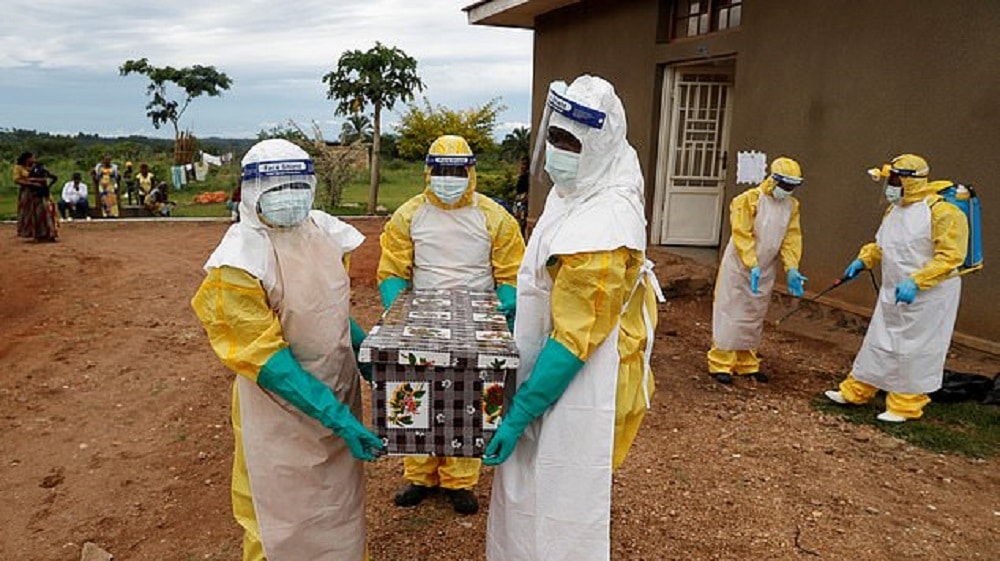
The Ministry of Health has activated strategic Ebola screening protocols across all national airports following the World Health Organization’s (WHO) global emergency declaration. While the primary risk remains localized to Central Africa, Pakistan’s proactive surveillance ensures a calibrated baseline of security against potential viral transmission. Health Minister Mustafa Kamal has directed authorities to maintain a high-precision monitoring system to safeguard the nation’s health frontiers.
The Translation: Calibrating National Health Defenses
The government’s decision to implement enhanced Ebola screening protocols serves as a structural barrier against the Bundibugyo strain currently impacting Uganda and the Democratic Republic of Congo. By deploying these measures, the Ministry of Health utilizes a targeted approach rather than a broad-spectrum travel ban. The National Institutes of Health (NIH) and provincial Border Health Services now operate on a heightened state of alert, equipped with specialized laboratory testing kits for rapid diagnosis. This infrastructure ensures that detection happens at the point of entry, preventing any localized outbreak before it begins.
The Socio-Economic Impact: Protecting the Daily Life of Pakistanis
For the professional and the student traveler, these measures represent structural stability within the global health landscape. By adhering to WHO guidelines that avoid blanket travel restrictions, Pakistan preserves its economic connectivity while shielding the domestic population.
- Urban Safety: Strategic monitoring at major hubs like Karachi, Lahore, and Islamabad prevents the introduction of foreign pathogens into high-density areas.
- Health Resource Management: Early detection through these protocols ensures that national healthcare resources are not overwhelmed, maintaining service quality for all citizens.
- Rural Resilience: Provincial alerts ensure that even remote healthcare centers are integrated into the national defense loop.
The Forward Path: A Momentum Shift in Bio-Security
This development represents a Momentum Shift in Pakistan’s national health strategy. Moving away from reactive healthcare, the state is now demonstrating a commitment to precision-based, proactive bio-security. The integration of global WHO data with local NIH operational capacity indicates a more sophisticated and efficient system. Consequently, Pakistan is better positioned to navigate global health emergencies without sacrificing its economic or social momentum. Continuous investment in these diagnostic frameworks will be the catalyst for a more resilient national health architecture.








