
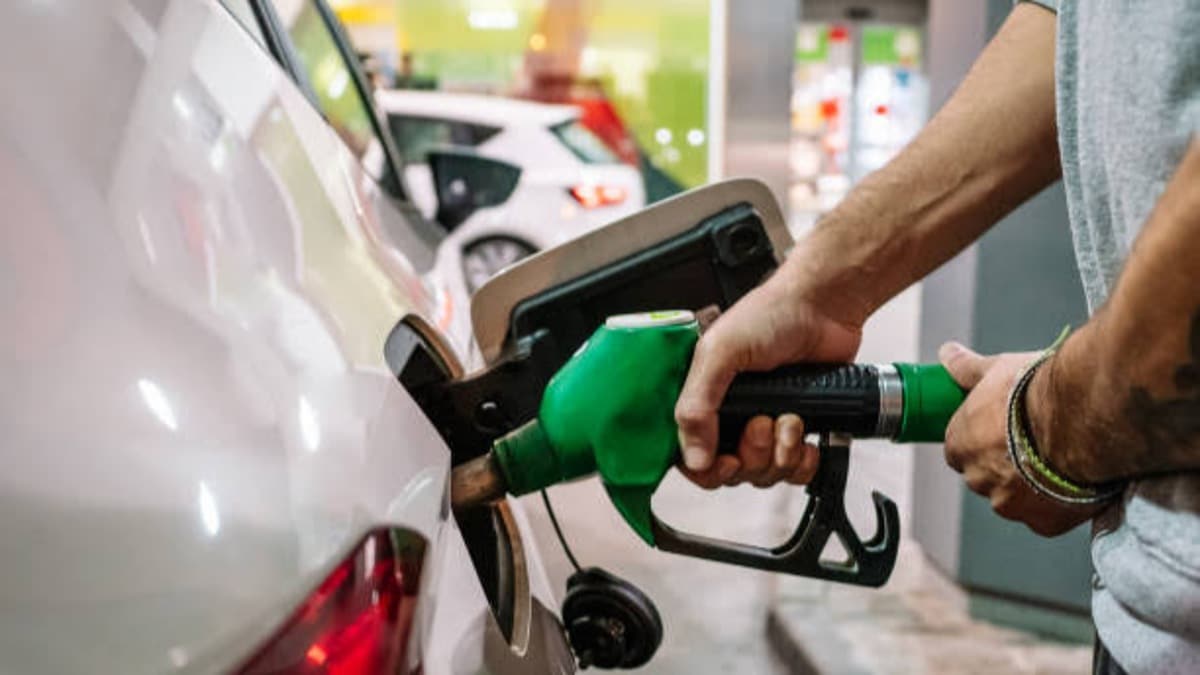
Federal Minister Ali Pervaiz Malik recently confirmed that Pakistan petrol prices are currently lower than those in Turkiye, Bangladesh, and Sri Lanka. This calibrated pricing strategy, supported by a KPMG study, suggests that our domestic rates remain broadly comparable to Indian benchmarks. Consequently, the government is prioritizing structural reforms to the national petroleum pricing system to ensure long-term fiscal stability and consumer transparency.
Strategic Energy Security and Refinery Policy Reforms
The Ministry of Petroleum is moving beyond simple price adjustments to address the baseline architecture of our energy sector. Specifically, the government proposed amendments to the Refinery Policy. These changes aim to catalyze domestic diesel production and reduce our strategic dependence on expensive imports. This move is a critical component of the broader effort to strengthen national energy security.
To improve public trust, the committee recommended that the Oil and Gas Regulatory Authority (OGRA) publish daily Platts pricing data. By hosting this benchmark on their website, the government ensures that the public can verify the data used for determining fuel prices. Transparency in this sector serves as a vital tool for economic precision.
Understanding the Current Fuel Tax Breakdown
Despite recent price fluctuations, the government maintains a complex tax structure to manage fiscal requirements and IMF conditions. Currently, the pricing components include:
- High-Speed Diesel (HSD): Priced at Rs. 323.30 per litre, with a total tax burden of approximately Rs. 101 per litre. This includes customs duty, a petroleum levy, and climate support levies.
- Motor Gasoline (Petrol): Priced at Rs. 310.71 per litre, carrying an estimated tax burden of Rs. 95 per litre.
- Additional Levies: The government collects Rs. 21 per litre on kerosene and Rs. 16 per litre on light diesel oil.
Furthermore, the climate support levy was doubled to Rs. 5 per litre in July to align with international environmental commitments and IMF requirements. These adjustments reflect a precision-focused approach to balancing fiscal revenue with environmental responsibility.
The Situation Room
The Translation: Breaking Down the Logic
The government is shifting from a reactive pricing model to a proactive structural framework. By comparing Pakistan petrol prices to Turkiye and India, the ministry is establishing a regional baseline for competitiveness. The push for daily Platts data publishing means “market-based pricing” is no longer a black box; it is now a transparent, data-driven process that allows businesses to forecast energy costs with higher precision.
The Socio-Economic Impact: Impact on Citizens
For the average Pakistani household and small business, these developments provide a dual impact. While the tax burden remains high due to IMF mandates, the move toward domestic refinery self-sufficiency acts as a hedge against global supply chain shocks. In the long run, increasing domestic diesel production could stabilize transport costs, which directly influences the price of essential commodities and daily groceries in local markets.
The Forward Path: Our Expert Opinion
This development represents a Momentum Shift. While the immediate price hikes are challenging, the systemic focus on refinery reforms and daily price transparency marks a departure from short-term “firefighting” policies. By integrating global Platts data and prioritizing domestic production, Pakistan is finally building the structural capacity needed to navigate the volatile global energy market with greater autonomy.








