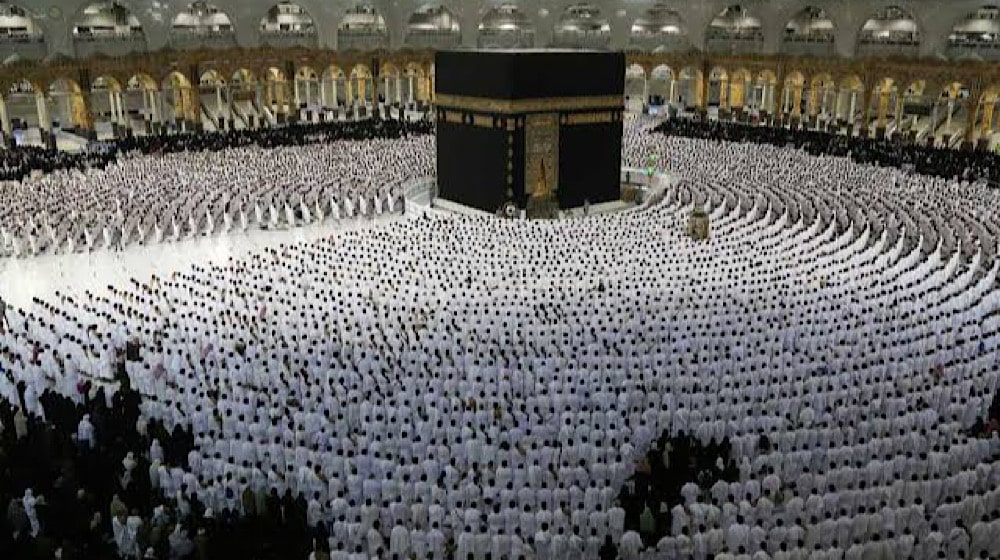
The Ministry of Religious Affairs and Interfaith Harmony has initiated a strategic program to equip all Free SIM Hajj Pilgrims with essential call and internet packages during their Saudi Arabian journey. This calibrated move aims to ensure seamless communication, a critical component for pilgrim welfare and logistical efficiency. Consequently, this initiative directly addresses connectivity challenges, providing vital support for thousands embarking on the sacred pilgrimage. Furthermore, it sets a new operational baseline for Hajj facilitation.
Structural Connectivity: Free SIM Hajj Pilgrims Initiative
The Ministry’s declaration outlines a structured approach to enhance digital access for pilgrims. Specifically, this means each pilgrim will receive a complimentary SIM card upon arrival, pre-loaded with minutes for both local and international calls, alongside a significant data allowance. For instance, those undertaking the 40-day pilgrimage will access 600 minutes and 40GB of internet data, while shorter packages include 300 minutes and 25GB. Moreover, these minutes are calibrated for both incoming and outgoing communications. Officials strictly emphasize the protocol: one official SIM per passport, with provisions for recharge facilities available at designated accommodation points. This structural clarity minimizes potential complications and ensures a consistent service baseline for all Free SIM Hajj Pilgrims.
Socio-Economic Impact: Bridging Distances for Pakistani Families
This initiative will fundamentally alter the daily experience for Pakistani Hajj pilgrims and their families. For students and professionals, maintaining contact with loved ones during such a significant period is paramount for emotional well-being and managing domestic affairs. Rural households, often reliant on more traditional communication methods, will particularly benefit from this direct, cost-free digital link. Consequently, families in Pakistan can communicate with pilgrims without the financial burden of international calls, fostering peace of mind. Furthermore, the provision of internet data enables access to critical information, navigation tools, and even health services, thereby enhancing safety and logistical precision for every pilgrim.
The Forward Path: A Momentum Shift in Pilgrim Facilitation
This development unequivocally represents a Momentum Shift for pilgrim facilitation. By proactively addressing connectivity—a frequently cited challenge—the government is establishing a new, higher baseline for Hajj services. This is not merely maintenance; it is a strategic investment in pilgrim welfare and operational efficiency. The integration of mobile applications for real-time updates further solidifies this progressive trajectory. Ultimately, this initiative positions Pakistan as a leader in leveraging technology to enhance the spiritual journey, setting a precedent for future religious diplomacy and citizen support.
Optimizing Hajj 2026 Logistics: Precision in Flight Operations
Beyond communication, the logistical framework for Hajj 2026 is meticulously planned. Pre-Hajj flight operations are scheduled to commence on April 18, facilitating the travel of approximately 120,000 pilgrims under the government scheme. A total of 468 flights will operate systematically over 34 days, concluding on May 21. These flights will depart from key cities including Karachi, Lahore, Sialkot, and Multan, ensuring broad geographical coverage. Pilgrims are advised to utilize the “Pak Hajj 2026” mobile application for precise flight schedules, accommodation details, and continuous updates, ensuring a streamlined travel experience.