
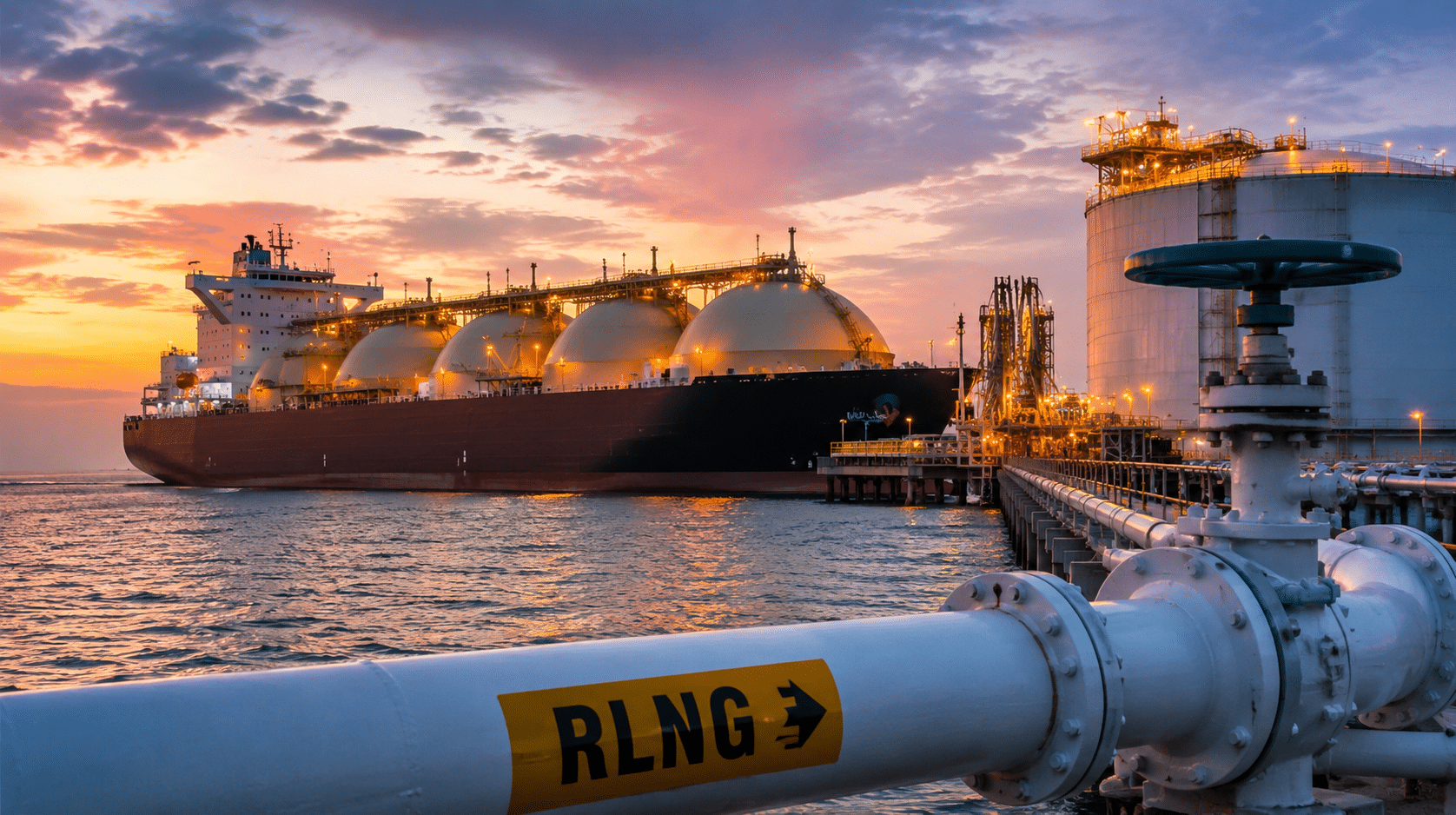
A precision-driven analysis reveals a 42% RLNG price hike on the SNGPL network as global energy benchmarks fluctuate under war-related pressures. This escalation reflects a strategic calibration of Pakistan’s energy mix against the backdrop of supply constraints. Consequently, the weighted average cost surged during May 2026, driven by a combination of higher oil indices and costly spot market acquisitions. Data from Arif Habib Limited confirms that these structural shifts have placed notable pressure on the national import framework.
The Mechanics of the Energy Surge
The primary catalysts for this increase involve elevated global oil prices and the inclusion of high-cost spot cargoes. Specifically, Pakistan LNG Limited (PLL) imported a spot cargo at a 20.9% slope to the DES price. Furthermore, terminal and handling charges remained elevated, compounding the financial baseline for the SNGPL network. Meanwhile, Pakistan State Oil (PSO) recorded a decline in RLNG volumes, dropping to approximately 242 mmcfd during the month.
- Long-term Contracts: Three cargoes were secured at a 10.20% slope to Brent.
- Spot Market Exposure: One cargo of 74 mmcfd was imported at a significantly higher 20.9% slope.
- Volume Shifts: Reduced imports from PSO highlight a tightening supply-demand equilibrium.

The Translation: Contextualizing the Data
In technical terms, the “slope to Brent” represents the percentage of the global oil price that determines the cost of gas. When Pakistan shifts from long-term contracts (10.20% slope) to spot market purchases (20.9% slope), the cost effectively doubles for that specific volume. Consequently, the RLNG price hike is not merely a result of rising oil prices but a reflection of our increased reliance on the expensive spot market to fill supply gaps.
Socio-Economic Impact: Life in Pakistan
This structural increase in fuel costs directly influences the daily lives of Pakistani citizens through higher electricity bills and industrial overheads. For urban households, the 42% price increase filters through the SNGPL network, potentially raising the cost of cooking and heating. More critically, industrial sectors such as textiles may face reduced competitiveness globally due to rising input costs. Effectively, every percentage point of the RLNG price hike acts as a tax on national productivity and household savings.
The Forward Path: Architect’s Opinion
This development represents a Stabilization Move rather than a momentum shift. While the procurement of spot cargoes ensures supply continuity, it reveals a lack of structural depth in our long-term energy strategy. To achieve true progress, Pakistan must pivot toward more aggressive long-term contract negotiations and diversify its energy baseline. Relying on the volatile spot market during global conflicts is a high-risk calibration that requires urgent correction.








