

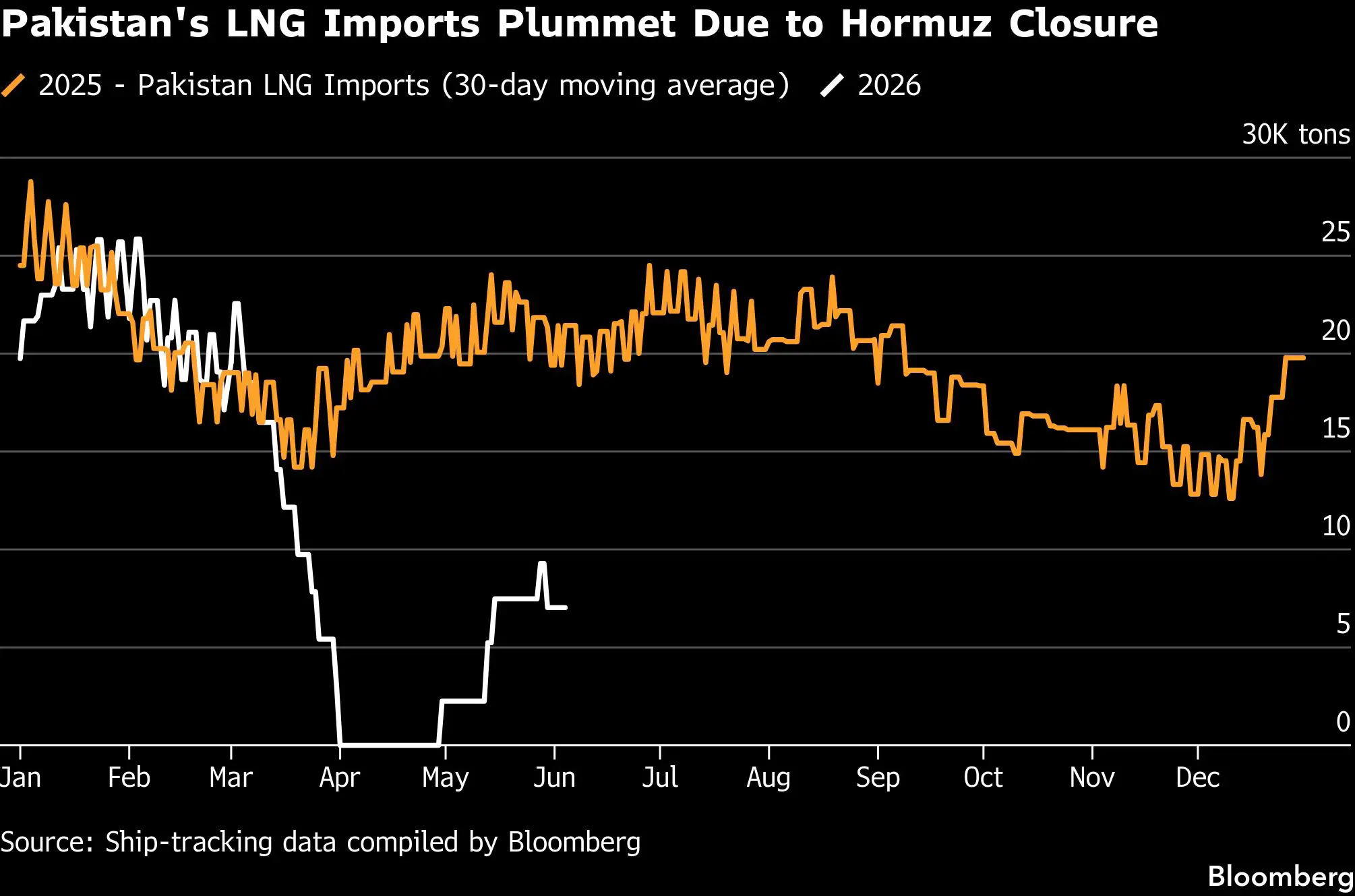
National energy security relies on calibrated logistics and strategic foresight. Pakistan recently secured its most expensive LNG cargo since 2022, a necessary but costly move triggered by supply disruptions near the Strait of Hormuz. Consequently, Pakistan LNG Limited (PLL) awarded the July 21-22 shipment to PetroChina International at a rate of $20.6999 per MMBtu.
This procurement reflects a significant premium compared to long-term contracts. While BP Singapore offered a bid of $21.3737 per MMBtu, PetroChina provided the most competitive pricing in a volatile market. Furthermore, these rising costs demonstrate the fragility of relying on the spot market during geopolitical shifts.
Analyzing the Impact of the Expensive LNG Cargo
The Translation (Clear Context)
The “spot market” operates like a real-time auction, whereas long-term contracts function like fixed-rate subscriptions. Currently, Pakistan pays nearly double the price for this specific shipment compared to its stable imports from Qatar. The primary catalyst for this price surge is the tension surrounding the Strait of Hormuz, a critical maritime corridor for global fuel trade.
The Socio-Economic Impact
For the average Pakistani citizen, high energy procurement costs directly influence the national circular debt and utility tariffs. Consequently, industrial sectors may face higher operational costs, which potentially slows down manufacturing precision and output. In contrast, urban households may see a delayed but certain impact on their monthly energy expenses as the state recalibrates its fiscal baseline.

The Forward Path (Opinion)
This development represents a Stabilization Move. While the cost is high, securing the expensive LNG cargo prevents a total system failure or widespread load-shedding during peak summer demand. However, this must serve as a catalyst for a structural shift toward energy diversification and increased storage capacity to mitigate future spot market volatility.








