
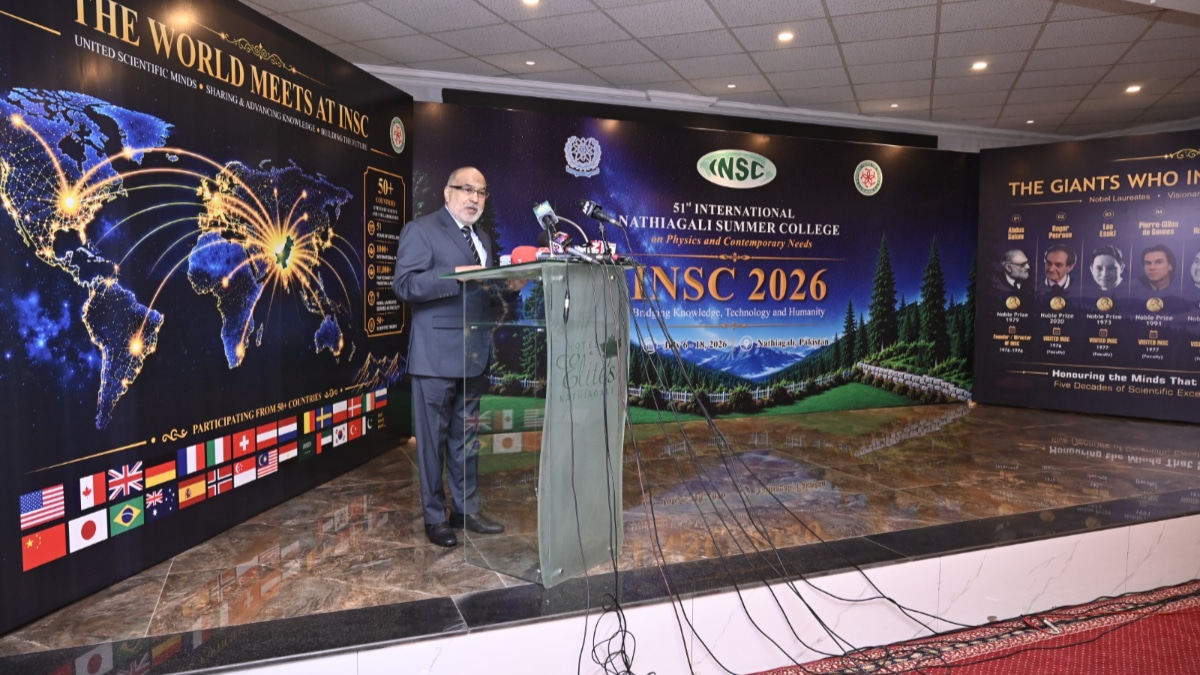
In a global ecosystem where knowledge-driven precision outweighs natural resource abundance, Pakistan must recalibrate its strategic focus. Chairman of the Pakistan Atomic Energy Commission (PAEC), Dr. Raja Ali Raza Anwar, recently emphasized this shift at the 51st International Nathiagali Summer College (INSC). He urged the nation’s young scientists to evolve into high-impact tech innovators rather than remaining mere consumers of foreign developments. Consequently, this transition is essential for securing Pakistan’s future competitiveness in the rapidly evolving technological frontier.
Empowering the Next Generation of Tech Innovators
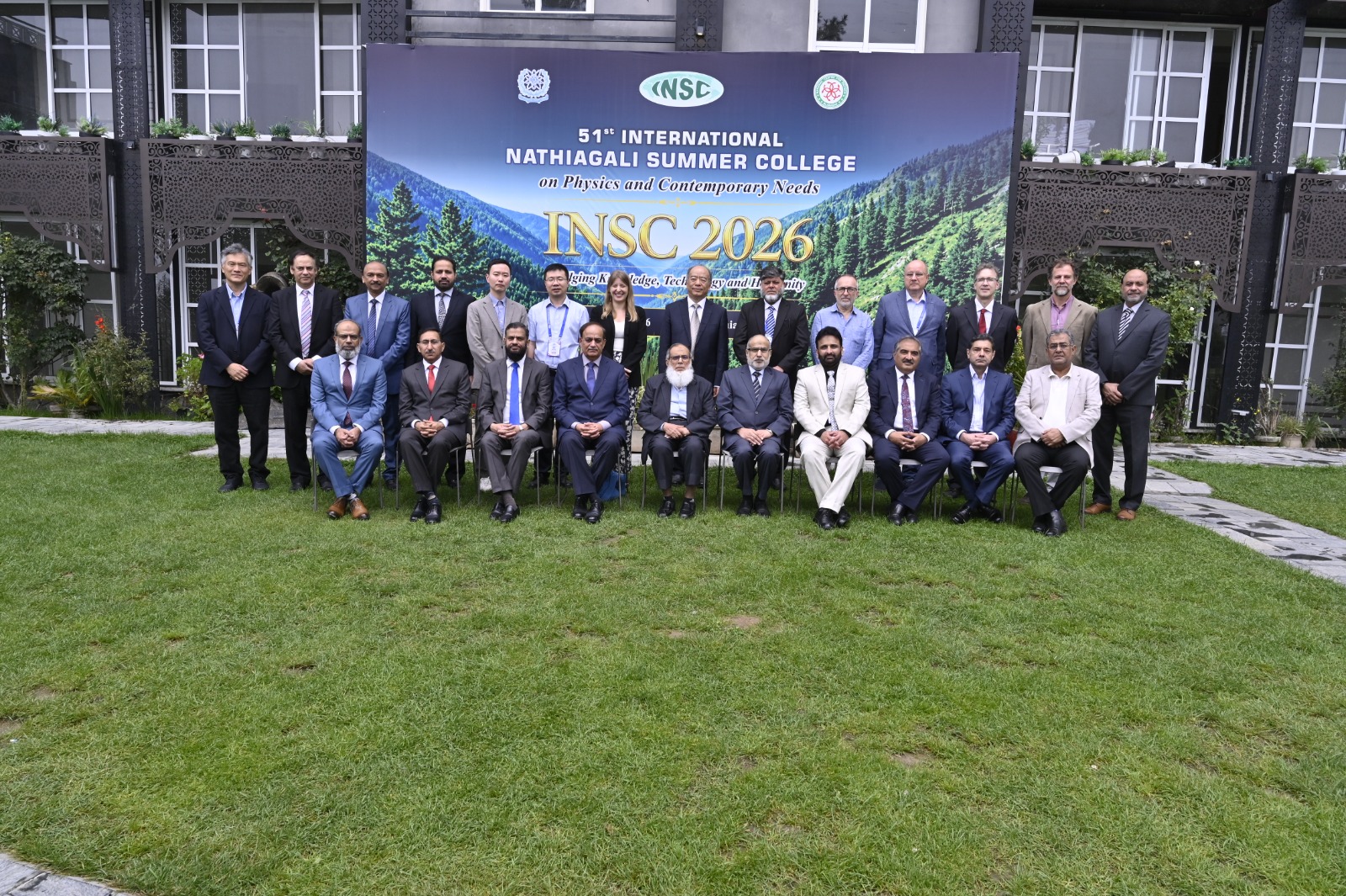
The INSC, a prestigious two-week scientific gathering organized by PAEC, serves as a catalyst for intellectual exchange. This year, the event brought together 45 distinguished scientists from 20 countries alongside 300 selected local participants. Dr. Raja Ali Raza Anwar noted that the world is undergoing a defining transformation. Specifically, fields like Artificial Intelligence, advanced manufacturing, and clean energy now dictate national power. Furthermore, Pakistan possesses the institutional baseline and human talent necessary to contribute indigenous solutions to these global challenges.
Strategic Alignment with Uraan Pakistan
The 2026 academic program targeted sectors critical to the national mission. Key focus areas included:
- Artificial Intelligence and Machine Learning: Enhancing industrial efficiency and radiotherapy precision.
- Nuclear Biotechnology: Strengthening food security and agricultural resilience.
- Plasma Science and Fusion Technology: Supporting sustainable energy solutions for the future.
These initiatives align with the “Uraan Pakistan” government program. This framework envisions sustainable economic growth through digital transformation and human capital investment. Additionally, PAEC continues to expand its socio-economic contributions through a network of 21 cancer hospitals and advanced research in semiconductor sciences.
The Translation: Moving Beyond Technology Consumption
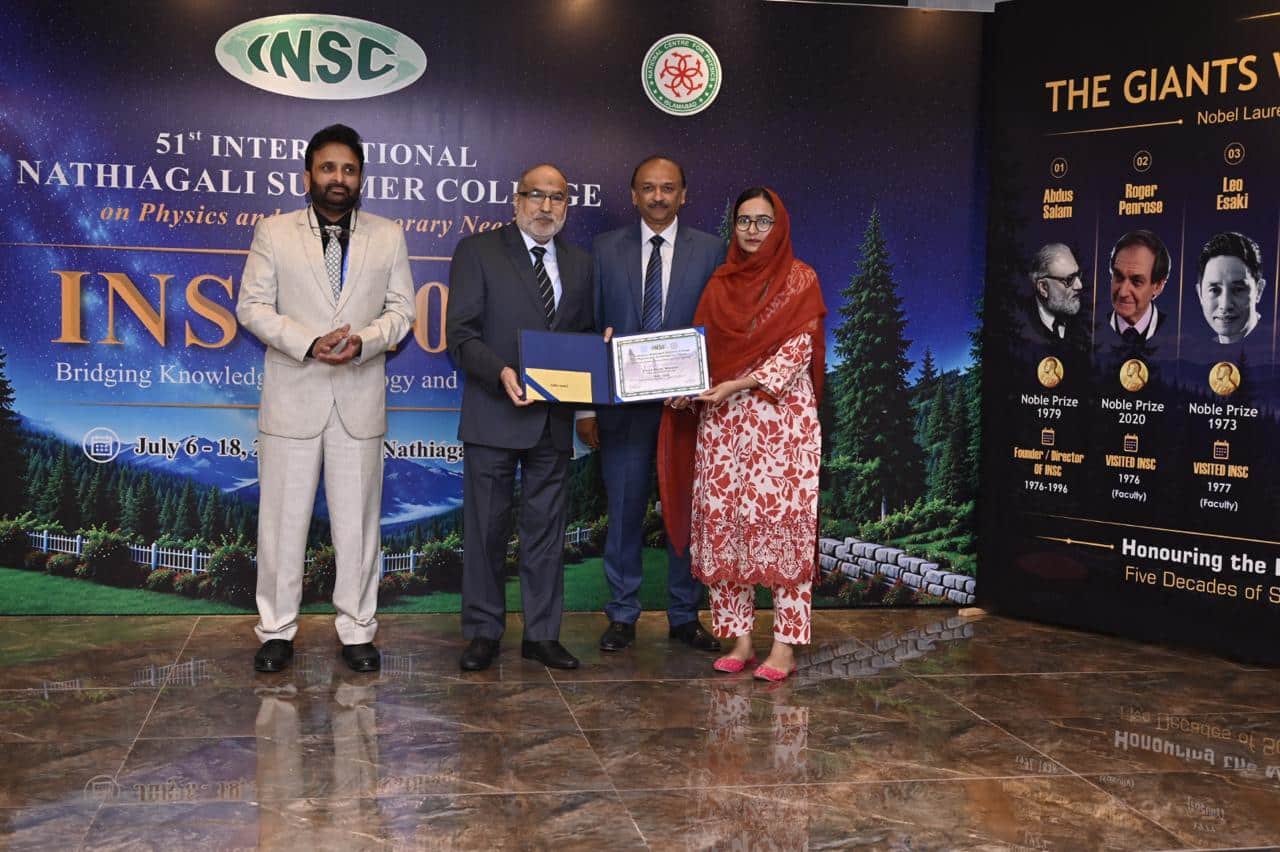
In the past, Pakistan has often functioned as an end-user of global innovation. Dr. Raja Ali Raza Anwar is advocating for a structural shift where local scientists design and build the systems they use. This means moving from “buying the tool” to “building the factory.” By fostering a scientific culture through platforms like INSC, PAEC aims to create an ecosystem where curiosity leads to commercialized technology. This approach effectively converts scientific deliberations into long-lasting international partnerships, such as those established this year with Chinese and Malaysian experts.
Socio-Economic Impact: Precision Solutions for Daily Life
This development directly influences the daily lives of Pakistani citizens. For households, advancements in nuclear agriculture translate to more resilient crops and more stable food prices. For students and professionals, the emphasis on AI and semiconductor research opens high-value career paths within the country. Moreover, international collaborations in radiotherapy ensure that Pakistani patients receive world-class cancer treatment locally. These scientific milestones are not just academic; they are the baseline for a modernized, self-reliant economy.
The Forward Path: A Momentum Shift in National Strategy
In my expert opinion, this move represents a definitive Momentum Shift. Moving beyond stabilization, PAEC is positioning itself as a catalyst for industrial modernization. The focus on indigenous technology development is a strategic necessity to escape the cycle of external dependence. While the challenge of infrastructure remains, the commitment to human resource development through events like INSC provides the precision required for long-term progress. Pakistan is no longer just observing the technological race; it is training its youth to lead it.








