
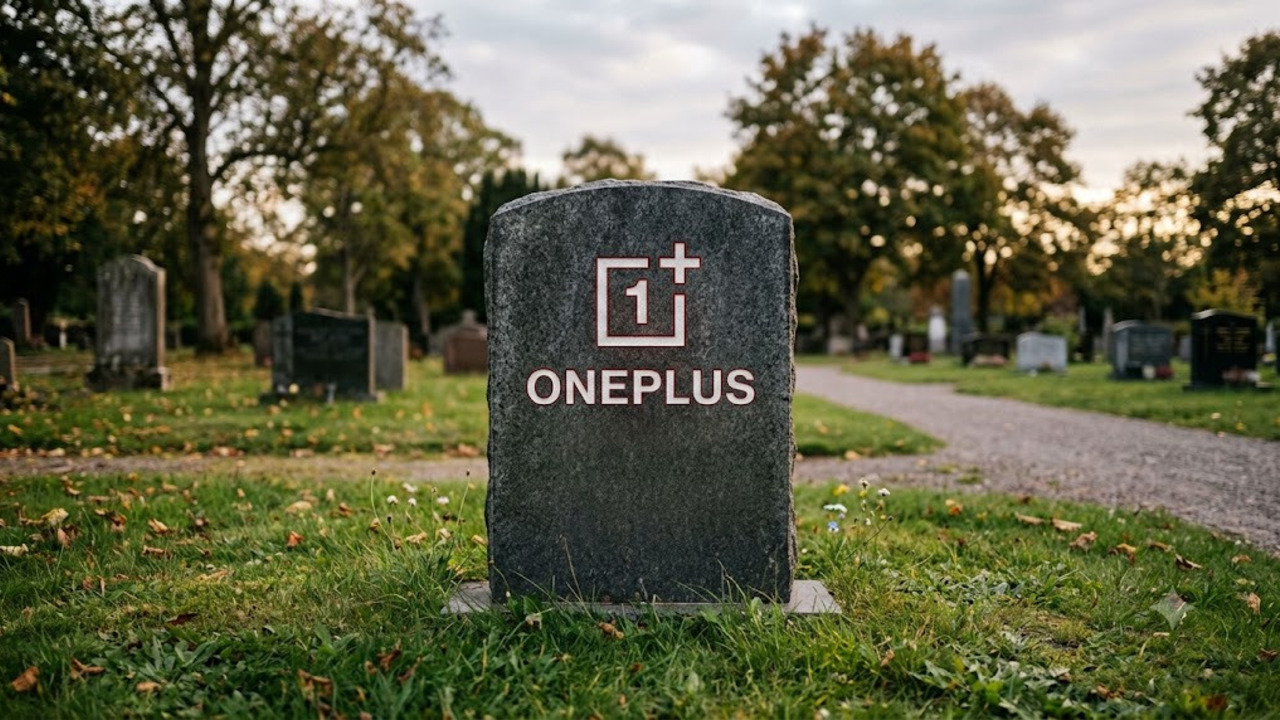
The smartphone landscape is undergoing a calibrated structural realignment as OnePlus announces a definitive OnePlus market exit from Europe and North America. This pivot represents more than a regional withdrawal; it signifies a baseline shift in the company’s global strategy to consolidate resources and streamline software development. Consequently, the organization will terminate all new product launches in these territories, prioritizing higher-efficiency markets where growth remains scalable. While existing users will receive sustained technical support, the departure of this “flagship killer” marks the end of an era for Western tech enthusiasts.
Strategic Withdrawal: The End of Western Expansion
The decision to cease operations in Europe and North America follows a rigorous internal assessment of global supply chains and regional profitability. OnePlus has confirmed that it will no longer introduce new hardware to these markets, effectively freezing its product lineup. However, the company intends to maintain its existing inventory cycles until current stock is depleted. To preserve consumer trust, customer support channels will remain operational, ensuring that warranty commitments and security patches continue for current device owners. Notably, the North American Community platform is scheduled for decommission on August 16, 2026.

The Software Convergence: OxygenOS to ColorOS Transition
Parallel to the OnePlus market exit, the company is executing a massive software consolidation. All eligible devices will transition from OxygenOS to ColorOS starting with the Android 17 update. This move aims to unify the codebase with Oppo, the parent entity, to achieve greater developmental precision. Furthermore, OnePlus asserts that this change will deliver a more stable and future-ready experience for users. While OxygenOS was celebrated for its near-stock Android aesthetic, the integration into ColorOS 17 reflects a strategic drive toward ecosystem synergy and reduced overhead.

Stability in the East: The India Anchor
Despite the contraction in Western spheres, operations in India remain robust and unaffected. OnePlus categorizes India as its primary growth catalyst, emphasizing that local product launches, such as the OnePlus N6x, will proceed as planned. The company explicitly refuted rumors of a total global shutdown, stating that the Indian market remains central to its long-term viability. Therefore, users in the region can expect continued innovation and localized service support without disruption.
The Translation
In technical terms, OnePlus is shifting from a distributed global model to a concentrated regional powerhouse. By retiring OxygenOS, they are eliminating the “double work” of maintaining two distinct operating systems that share the same underlying code. This is a move toward System Efficiency. For the consumer, this means the unique identity of OnePlus software is merging into the broader Oppo ecosystem to save on R&D costs and accelerate update delivery times.
The Socio-Economic Impact
For the Pakistani citizen and tech professional, this development highlights the volatility of the global smartphone tier. As OnePlus retreats from the West, the secondary market for imported North American or European variants will likely evaporate, leading to a higher reliance on regional (Middle East/Asia) stock. Students and professionals should anticipate a more homogenized software experience as diverse OS skins disappear in favor of unified corporate platforms like ColorOS.
The “Forward Path”: Opinion
This development represents a Stabilization Move rather than a momentum shift. While it appears as a retreat, OnePlus is actually recalibrating its baseline to survive a saturated market. By shedding low-margin regions and unifying its software, the company is building a defensive perimeter around its profitable Asian strongholds. It is a pragmatic, if uninspiring, strategy to ensure long-term structural survival.








