
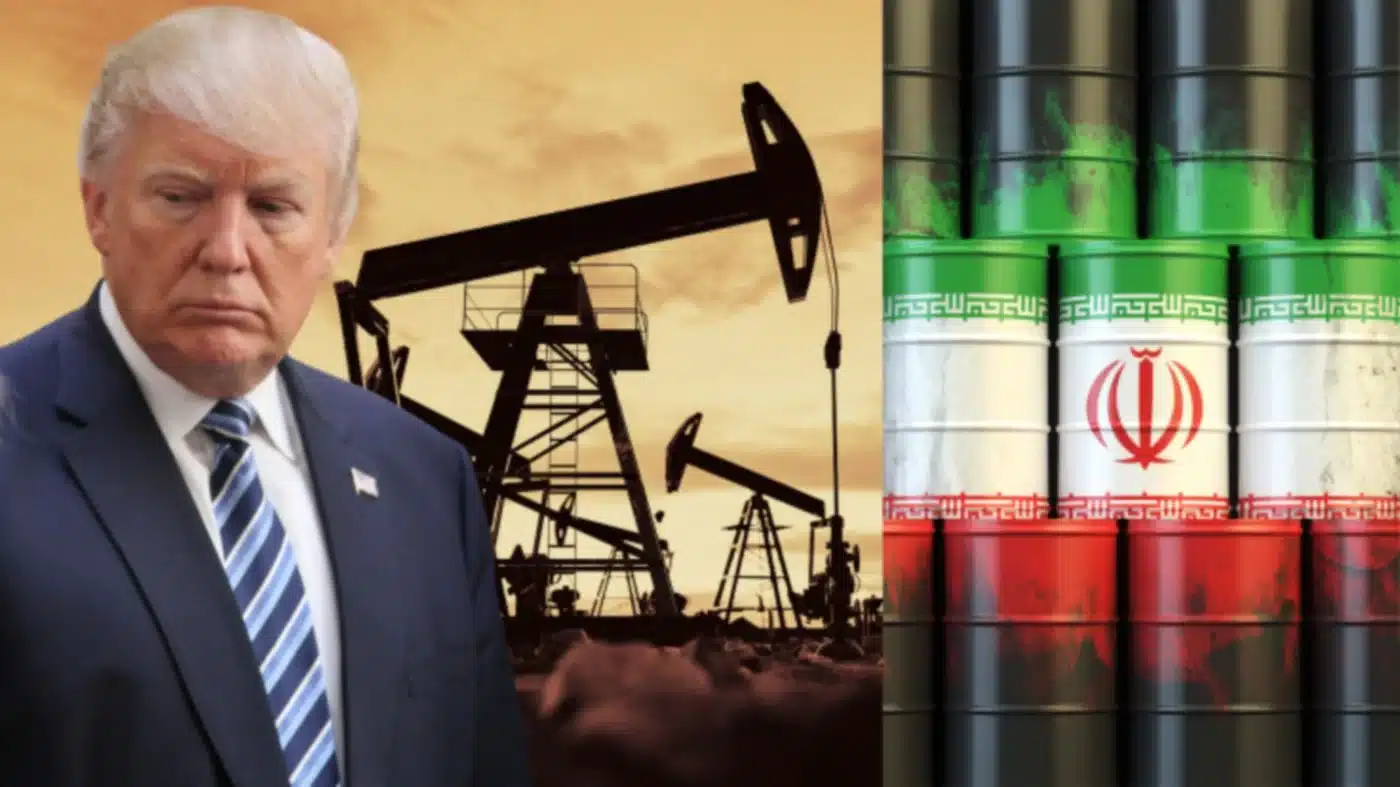
Global oil prices surged by approximately 12 percent since Friday, marking a significant recalibration of energy markets as US military strikes against Iran disrupted regional stability. Consequently, benchmarks reached their highest levels in nearly a month. During Tuesday’s Asian trading session, Brent crude climbed to roughly $87 per barrel, while West Texas Intermediate (WTI) approached the $84 threshold. Analysts suggest this volatility may force a fuel price hike in Pakistan within the current week.
Understanding the Strategic Volatility in Global Oil Prices
Traders are currently reassessing the operational outlook for the Strait of Hormuz. Although many hoped for a rapid return to normalized crude shipments, the resurgence of conflict has weakened those expectations. Market participants now view the corridor as a high-risk zone, requiring a precision-based approach to maritime logistics and security.
The Strait of Hormuz Security Tax Controversy

A recent proposal suggests a 20 percent fee for vessels utilizing the Strait of Hormuz in exchange for US military protection. However, researchers highlight the structural impracticality of such a levy. For instance, a supertanker carrying 2 million barrels at $80 per barrel would face a $32 million surcharge. This equates to an additional $16 per barrel in transportation costs, vastly exceeding the $1 per barrel transit fee previously sought by Iran.
The Situation Room: National Analysis
The Translation (Clear Context)
The logic behind this price surge is rooted in “Risk Premium” economics. When a vital maritime artery like the Strait of Hormuz faces military uncertainty, the cost of insuring and transporting oil spikes. The proposed 20 percent security fee acts as a catalyst for hyper-inflation in shipping costs. Consequently, even if the supply of oil remains steady, the delivery cost creates a synthetic shortage that drives global oil prices higher.
The Socio-Economic Impact
For the Pakistani citizen, this development translates into immediate pressure on the household baseline. If domestic regulators adjust fuel prices to match global trends, transport costs for essential goods will rise. This creates a secondary inflationary wave, affecting everything from grocery prices to industrial productivity. Professionals in the logistics sector and urban commuters will likely feel the most acute financial strain.
The Forward Path (Opinion)
This development represents a Momentum Shift toward high-volatility energy markets. The transition from diplomatic MOUs to military strikes indicates that a stabilization period is unlikely in the short term. Pakistan must strategically calibrate its energy reserves and explore diversified supply routes to mitigate the impact of this external precision shock on the national economy.








