
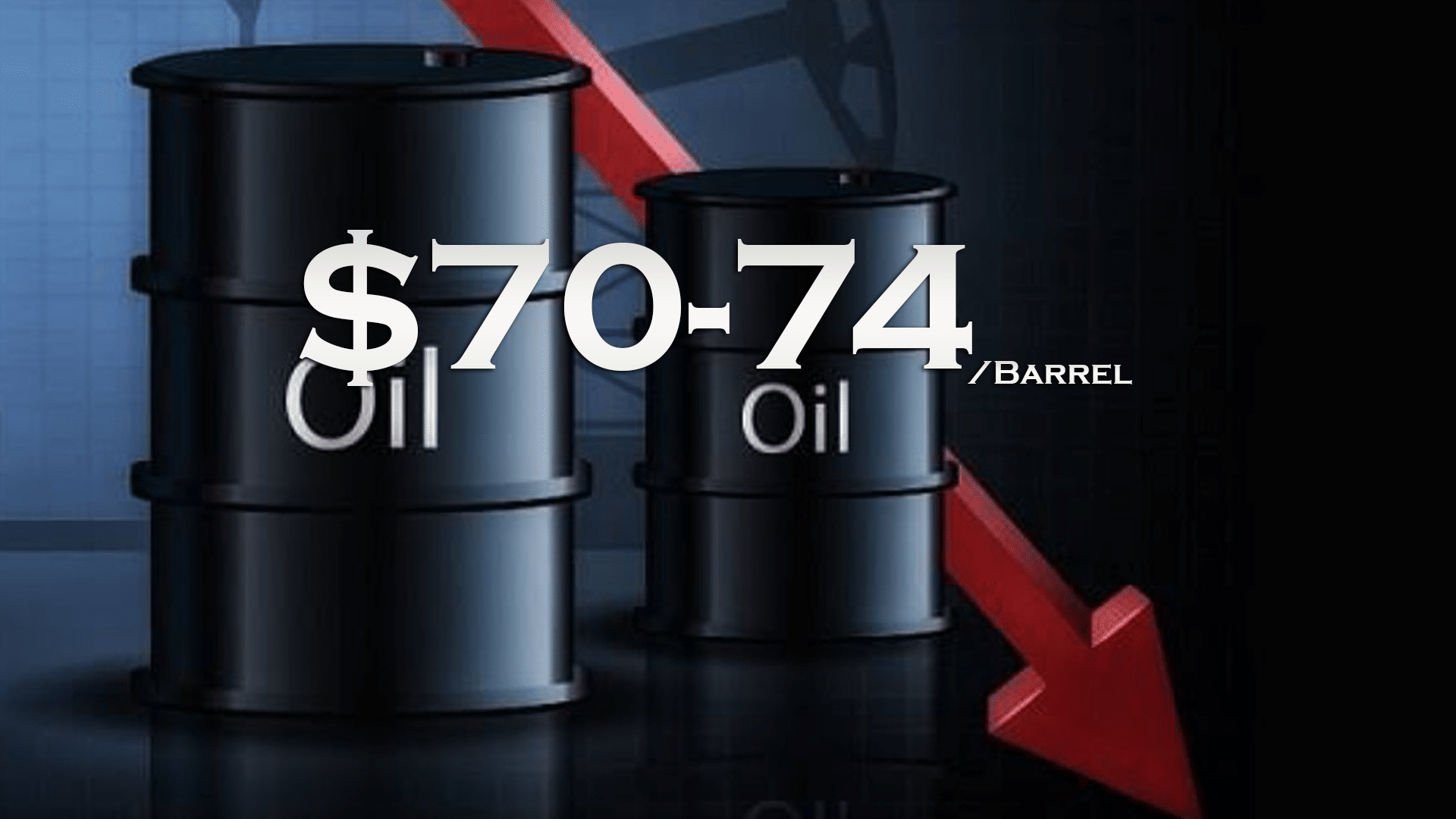
Structural shifts in the global energy sector suggest international oil prices will likely fall below $70 per barrel for the first time in nearly two years. This calibrated decline stems from geopolitical stabilization and strategic maritime movements. Analysts observe that WTI currently stands at $74.4 while Brent has hovered at $78 per barrel. Furthermore, crude extracted from UAE-operated reserves recently touched $71, marking a significant downward trajectory in the past 12 hours.
Navigating the Strategic Energy Shift
The resumption of vessel movement across the Strait of Hormuz serves as a primary catalyst for this price adjustment. Consequently, the risk premium associated with supply disruptions has diminished. Pakistan is currently mediating high-stakes talks between Iran and the US in Switzerland. These diplomatic efforts aim to secure long-term maritime stability. Although a deadlock occurred after specific geopolitical tensions, Pakistan’s intervention has maintained a fragile but necessary connection between the parties.

The Precision of Market Calibration
Precision in diplomatic mediation directly correlates with market sentiment. International oil prices started falling as soon as the three parties converged in Switzerland. In contrast to previous volatility, the current bearish trend reflects a systemic move toward stabilization. Even as Iranian delegations momentarily exited due to external rhetoric, the baseline for energy costs continued to recalibrate downward.

The Situation Room Analysis
The Translation (Clear Context)
The current market behavior represents a decoupling of price from scarcity fears. When Pakistan facilitates dialogue in Switzerland, it reduces the “geopolitical tax” usually added to fuel costs. The reopening of the Strait of Hormuz ensures that supply chains remain uninterrupted. Essentially, more oil is moving more freely, which forces the price toward a natural baseline below the $70 mark.
The Socio-Economic Impact
For the average Pakistani citizen, lower international oil prices translate to a reduction in the cost of production and transport. This shift provides immediate relief to households facing inflation. Specifically, students and professionals will see stabilized commuting costs. In rural areas, the decrease in diesel prices will lower the operational costs for agricultural machinery, potentially reducing food prices nationwide.
The Forward Path (Opinion)
This development represents a Momentum Shift. Pakistan’s role as a mediator highlights its growing influence in regional stability. If the talks in Switzerland reach a permanent resolution, we could see a structural era of affordable energy. This stability is the catalyst needed for sustained industrial growth and national efficiency.









