
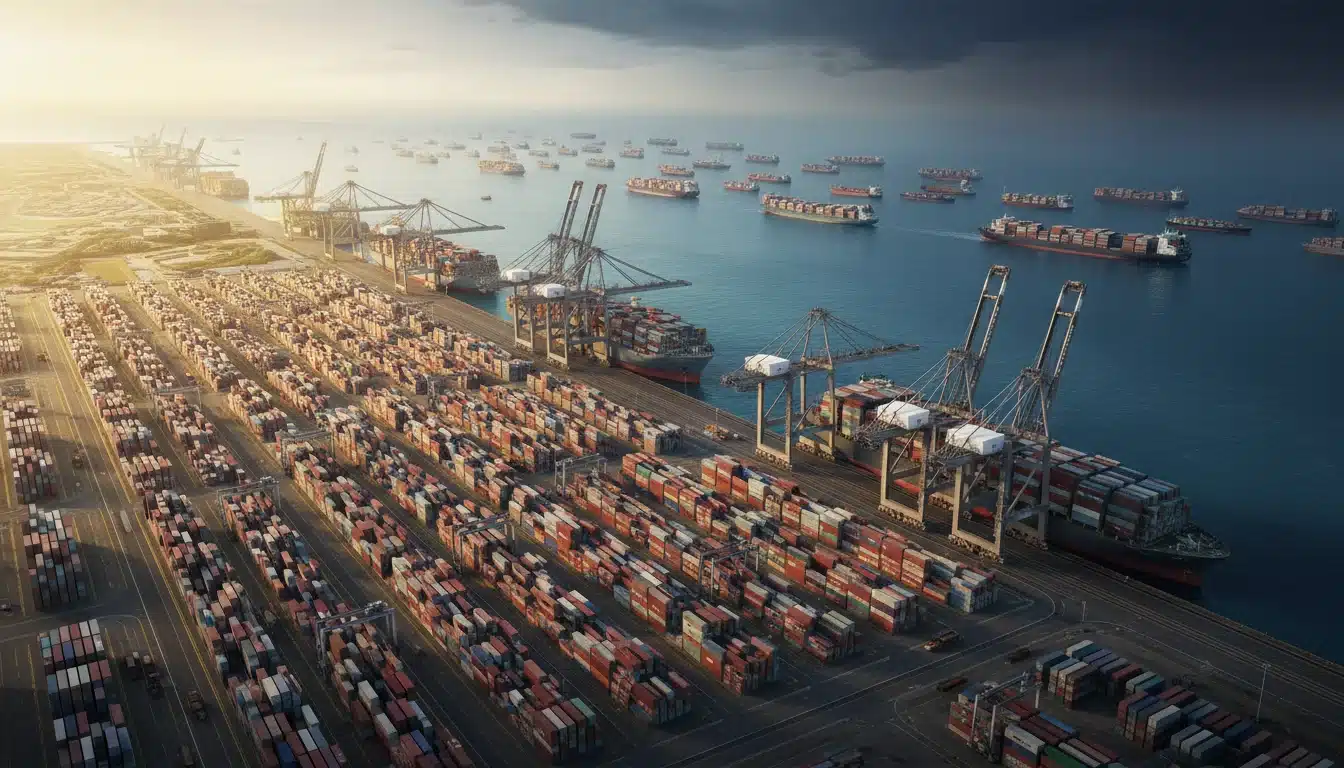
Pakistan Customs maintains a calibrated workflow for fuel import clearance, ensuring that national energy reserves remain stable and rumors of systemic delays are scientifically addressed. Recent data confirms that no legitimate Goods Declarations (GDs) remain pending at Port Qasim. Furthermore, the department clarifies that the final valuation of cargo does not obstruct the initial filing process. Consequently, the flow of petroleum products into the national grid remains uninterrupted and efficient.
Analyzing the Structural Integrity of Fuel Import Clearance
Member Customs Operations recently addressed technical misunderstandings regarding the Pakistan State Oil (PSO) claims. Specifically, the department clarified that importers do not need the final cargo value to file a Goods Declaration. Historically, this data point is determined post-clearance. Therefore, Customs has advised PSO and other stakeholders to submit documentation promptly to bypass any artificial logistical friction. This precision in administrative policy serves as a catalyst for faster turnaround times at the FOTCO terminal.
Logistical Data: Vessel Movements and Port Efficiency
Operational reports indicate that the vessel MT Bolan berthed at the FOTCO terminal on July 15 and is currently finalizing its discharge. Moreover, the MT Nave Cassiopeia and MT Hafnia Shannon are scheduled for arrival on July 17, with the MT Portofino following on July 23. These movements indicate a synchronized supply chain.
- MT Bolan: Completed partial discharge; full unloading expected by July 17.
- Flow Petroleum: Received necessary No-Objection Certificates (NOC) for upcountry distribution.
- Regulatory Compliance: Penalty waivers under the Customs Act are being processed via the Pakistan Single Window.

The Situation Room: Strategic Impact Assessment
The Translation (Clear Context)
In technical terms, a Goods Declaration (GD) is the baseline document for legal entry. Some entities claimed that price volatility prevented filing. However, Pakistan Customs operates a “Post-Clearance Audit” model. This allows the physical fuel import clearance to happen based on preliminary data, with financial adjustments occurring later. This logic prevents a technicality from becoming a national energy crisis.
The Socio-Economic Impact
For the average Pakistani citizen, this administrative efficiency translates directly to price and availability stability. When fuel import clearance is optimized, it prevents the panic-buying cycles that often disrupt urban transport and household budgets. Students and professionals can rely on consistent fuel availability for daily commuting, while rural farmers benefit from the steady supply of diesel for agricultural machinery.
The Forward Path (Opinion)
This development represents a Stabilization Move. While not a radical overhaul of the energy sector, the use of the Pakistan Single Window and the resolution of bond-to-bond transfer issues demonstrate a commitment to systemic maintenance. To achieve a “Momentum Shift,” Pakistan must further automate these clearances to eliminate human discretion entirely, ensuring the energy baseline remains shielded from misinformation.









