
A National Assembly subcommittee has officially concluded its investigation into the systemic PIA policy failures that nearly dismantled the national carrier. The report, convened by Sehar Kamran, identifies a catastrophic intersection of inconsistent management, fiscal constraints, and flawed regulatory oversight. Consequently, these structural deficiencies reduced the airline’s international market share from 50% to a mere 20%, signaling an urgent need for institutional recalibration.
The Precision Audit of PIA’s Structural Collapse
The subcommittee identified the Open Skies Policy as a primary catalyst for financial erosion. By granting foreign airlines extensive traffic rights, Pakistan inadvertently marginalized its own carrier. Furthermore, heavy taxation on aircraft procurement and spare parts created a baseline of financial instability that the airline could not overcome. Currently, the operational capacity is severely calibrated downward, with only 19 of 30 aircraft in service.
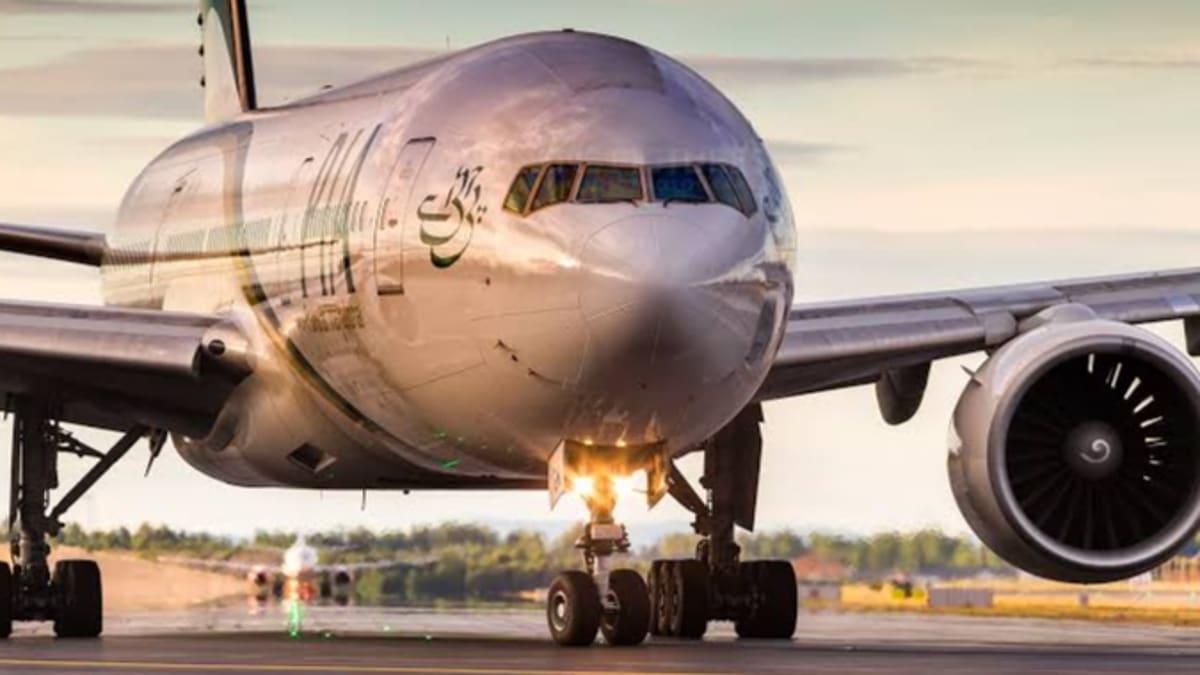
- Fleet Status: Only six of twelve Boeing 777 aircraft are currently operational.
- Financial Burden: Total liabilities have escalated to over Rs. 740 billion due to rupee depreciation.
- Labor Inefficiency: The airline maintains 215 employees per aircraft, far exceeding international aviation benchmarks.
The Translation: Deconstructing the Systemic Errors
In “Next Gen” terms, PIA’s decline was not an accident but a result of poor precision engineering in policy. The “Open Skies Policy” essentially allowed global competitors to harvest local demand without providing PIA the competitive agility to respond. Additionally, the 2020 pilot license controversy acted as a strategic shock, resulting in a $600 million loss and the suspension of European operations. This investigation proves that political rhetoric, when disconnected from technical reality, yields devastating economic outcomes.
The Socio-Economic Impact: A Baseline for Citizens
How do these PIA policy failures affect the average Pakistani? For students and professionals, it means limited global connectivity and higher travel costs as domestic competition thins. For the taxpayer, the Rs. 740 billion debt represents a massive drain on national resources that could have funded education or healthcare infrastructure. Every grounded Boeing 777 is a symbol of lost potential in national mobility and international prestige, impacting the economic baseline of the entire federation.
The Forward Path: Momentum Shift or Stabilization?
This development represents a Stabilization Move rather than a full momentum shift. While the report correctly identifies the 2020 controversy as a catalyst for destruction, the recommendation for an inquiry commission is merely a baseline requirement. True progress requires a total decoupling of aviation policy from political cycles. To regain momentum, the government must immediately recalibrate the Open Skies Policy and implement a lean, STEM-driven management structure that prioritizes operational precision over political patronage.








