
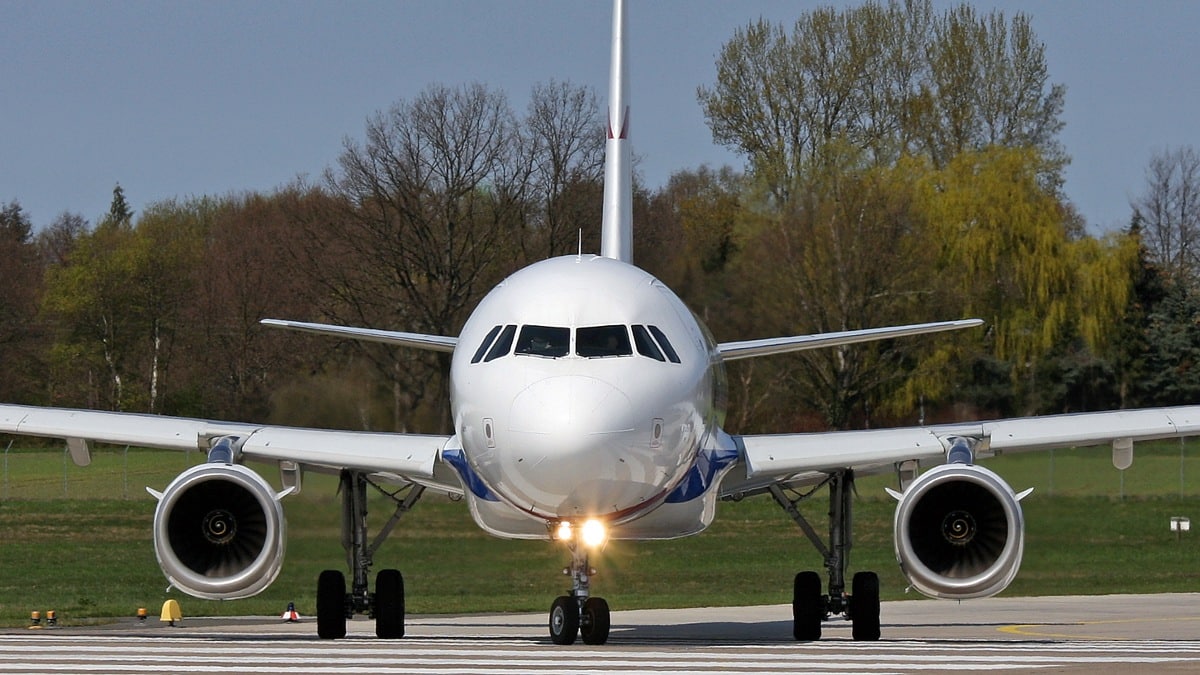
South Air Pakistan has officially initiated its domestic flight operations from Karachi, signaling a calibrated shift in the nation’s aviation infrastructure. This expansion introduces strategic routes to Quetta and Islamabad, effectively bridging geographical gaps that previously hampered regional mobility. The Pakistan Airports Authority (PAA) confirmed that inaugural services departed from Jinnah International Airport this Thursday, establishing a new baseline for private-sector participation in the transport industry.
Expanding the Domestic Aviation Network
Initially, South Air Pakistan operates a targeted schedule to maximize system efficiency. The airline currently manages one weekly flight on the Karachi-Quetta route via Turbat and three weekly services between Karachi and Islamabad via Bahawalpur. Furthermore, the carrier plans a structural expansion to include Peshawar, Rahim Yar Khan, Sukkur, and Gwadar. These additions will create a more resilient network, offering passengers diverse travel alternatives while fostering competitive market dynamics.
The Translation: Analyzing the Strategic Infrastructure
In the context of Pakistani aviation, most private carriers focus exclusively on high-traffic “Golden Triangle” routes. However, South Air is implementing a decentralized model by integrating mid-tier cities like Bahawalpur and Turbat into its primary schedule. By utilizing these transit points, the airline optimizes fuel efficiency and aircraft rotation while tapping into underserved market segments. This move suggests a sophisticated understanding of regional demand profiles that larger carriers often overlook.
The Socio-Economic Impact: Empowering the Citizenry
The introduction of these routes acts as a catalyst for regional economic integration. For the average Pakistani professional or student, direct connectivity to Bahawalpur and Turbat eliminates the need for arduous road travel or expensive indirect flights. Consequently, this reduces the cost of doing business and facilitates faster trade cycles. Notably, the link between Karachi and Gwadar Port is expected to synchronize maritime and air transport, directly supporting the development of Gwadar as a modern commercial hub.
The Forward Path: A Momentum Shift for Pakistan
This development represents a definitive Momentum Shift for the national aviation sector. While the industry has faced stabilization challenges in recent years, the entry of a disciplined private player like South Air Pakistan introduces necessary competition. By providing direct flights to regions previously ignored by major airlines, South Air is not just maintaining the status quo; it is actively expanding the frontier of our national connectivity. Continued success will depend on the airline’s ability to maintain precision in its operational schedule and scale its fleet sustainably.








