
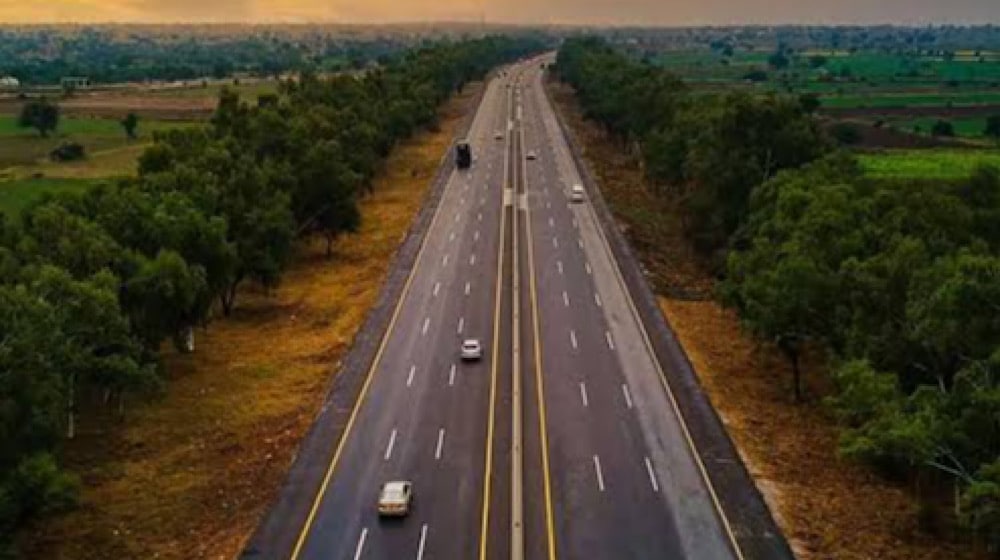
The Kharian-Rawalpindi Motorway (M-13) represents a calibrated advancement in Pakistan’s transport infrastructure, designed to slash the Lahore-Rawalpindi distance by approximately 100 kilometers. Consequently, this Rs. 205 billion strategic corridor will reduce travel time by more than an hour compared to the existing M-2 route. By prioritizing this structural upgrade, the government aims to create a precision-engineered bypass that enhances regional connectivity.
Decoding the Kharian-Rawalpindi Motorway Strategy
The Public Private Partnership Authority (P3A) Board recently approved awarding the project to the Frontier Works Organisation (FWO). Notably, the government utilized specific legal provisions within the P3A Act to bypass open bidding, facilitating an immediate start. Furthermore, the National Highway Authority (NHA) recommended this direct procurement to ensure the project meets its aggressive timeline as a priority infrastructure baseline.
Developing under the Build-Operate-Transfer (BOT) model, the project focuses on long-term sustainability without immediate fiscal strain. Although the Executive Committee of the National Economic Council (ECNEC) initially suggested international bidding, the federal cabinet now holds the final approval for this expedited framework. Consequently, the M-13 project stands as a catalyst for future public-private collaborations.
The Situation Room: Analysis
The Translation (Clear Context)
In technical terms, the “Build-Operate-Transfer” model allows private entities like the FWO to fund and build the infrastructure. They recover their investment through calibrated toll collections over a set period. By opting for “negotiated procurement,” the government is prioritizing speed and national security alignment over the standard, slower international bidding cycles. This maneuver ensures the Kharian-Rawalpindi Motorway begins construction without the typical administrative lag.
The Socio-Economic Impact
This development directly impacts the daily lives of thousands of Pakistani citizens, specifically professionals and students commuting between the twin cities and Lahore. A 100km reduction in distance translates to significant fuel savings and lower vehicle maintenance costs for households. Furthermore, for the logistics sector, this efficiency acts as a structural catalyst, lowering the cost of transporting goods and potentially reducing the price of consumer commodities in local markets.
The Forward Path (Opinion)
This initiative represents a definitive Momentum Shift for Pakistan’s infrastructure. Moving beyond the baseline of the aging M-2 motorway demonstrates a strategic understanding of system efficiency. While the lack of open bidding often raises transparency questions, the choice of a proven entity like FWO suggests a focus on precision and immediate execution. This corridor is not just a road; it is a vital artery for national advancement.








