

A significant technological advancement is poised to recalibrate domestic and commercial culinary operations across Pakistan. Greenvize has precisely engineered a compact, water-fueled hydrogen cooking stove that autonomously generates its fuel from water. This innovative system integrates a proton exchange membrane (PEM) electrolyzer directly into a standard cooking unit. Consequently, users can produce hydrogen on-demand, offering a clean, efficient alternative to conventional natural gas systems. This structural shift towards sustainable energy solutions marks a pivotal moment for Pakistan’s energy independence and environmental stewardship.
The Translation: Deconstructing Water-Fueled Cooking Dynamics
The core mechanism of this next-generation appliance involves electrolysis. Specifically, the hydrogen cooking stove splits ordinary water into its fundamental components: hydrogen and oxygen. The hydrogen gas is then immediately consumed as a cooking fuel, ensuring an on-demand energy supply. Furthermore, the operational byproduct is merely water vapor, alongside a release of oxygen. This calibrated process notably enhances indoor air quality, a critical advantage over traditional fossil fuel burners. Crucially, the standard configuration obviates the need for external fuel storage or complex distribution networks, streamlining deployment.
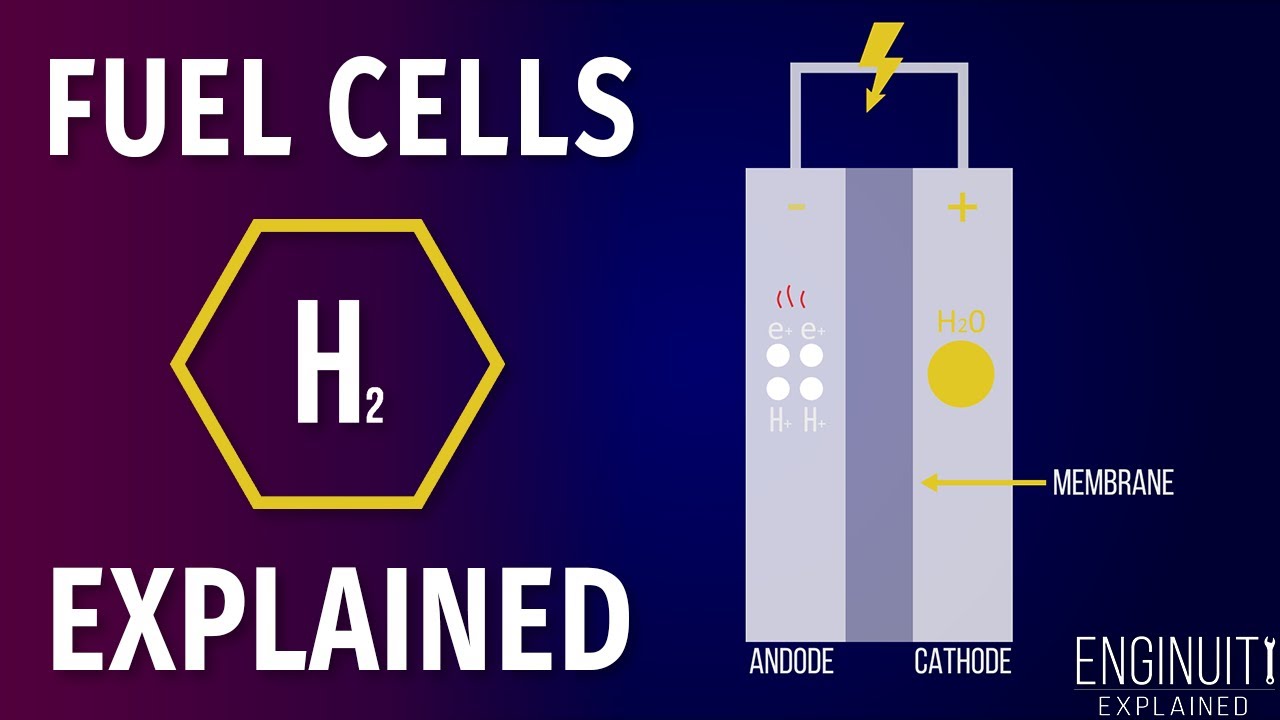
Sustaining Culinary Operations: Power and Water Requirements
Operational efficiency is paramount for widespread adoption. As stated by Sanjeev Choudhary, Greenvize’s director and co-founder, initiating hydrogen production requires approximately 100 milliliters of distilled or reverse osmosis water. Additionally, the system demands about one kilowatt-hour (kWh) of electricity to commence the process. This baseline input can sustain up to six hours of continuous cooking. Strategically, the unit is engineered for seamless integration with rooftop solar panels, thereby providing a robust energy solution for regions facing grid instability or limited access to gas infrastructure. Consequently, this technology enhances energy resilience significantly.

Structural Flexibility: Optimized Hydrogen Storage Solutions
While the fundamental system generates and utilizes hydrogen in real-time, Greenvize offers advanced optional storage configurations. These allow for the strategic production of hydrogen during off-peak electricity hours or periods of abundant solar generation. Subsequently, the stored fuel can be deployed during high-demand cooking cycles. Storage options are robust, encompassing compressed gas cylinders operating at 200 to 300 bar. Furthermore, low-pressure buffer tanks are available for short-term energy reserves. The company asserts its capability to customize these storage solutions, tailoring them to specific client requirements and operational scales.

Catalytic Efficiency: Redefining Culinary Energy Consumption
This hydrogen system represents a distinct departure from conventional energy consumption models, especially when contrasted with induction cooktops. Traditional induction units can consume up to two kilowatts per burner, potentially totaling around 12 kWh over a six-hour period. In stark contrast, the Greenvize system precisely converts electricity into hydrogen fuel, which is then directly combusted for cooking. The unit itself features durable stainless-steel construction, reinforced with integrated safety systems, ensuring continuous, reliable operation even in demanding environments. Greenvize strategically targets high-demand settings such as hotels, community kitchens, and remote rural areas, where both reliability and operational flexibility are essential.
The Socio-Economic Impact: A Hydrogen Cooking Stove for Every Pakistani Home
This innovative technology fundamentally reshapes the daily culinary experience for Pakistani citizens. For urban households, it offers a tangible solution to fluctuating natural gas pressures and rising energy costs, providing predictable, clean cooking. Rural communities, often isolated from gas networks, gain unprecedented access to modern, efficient cooking methods, thereby reducing reliance on traditional, less healthy fuel sources. Students in dormitories and professionals in bustling cities will benefit from enhanced air quality and reduced operational expenses. Consequently, this precise engineering acts as a catalyst for improved public health, economic stability, and environmental sustainability across diverse socio-economic strata.
:max_bytes(150000):strip_icc()/no-cook-dinners-antipasto-salad-0922FOO-3ae7a4ef2ffd43d8b650edc51f778dc3.jpg)
Assessing the Trajectory: A Definitive Momentum Shift for Pakistan
This development undeniably represents a Momentum Shift for Pakistan’s energy landscape. The introduction of the hydrogen cooking stove aligns strategically with national ambitions for green energy transition and self-reliance. It provides a robust, decentralized energy solution that bypasses legacy infrastructure limitations. Priced at $1,128 plus GST for a single-burner and $1,610 plus GST for a double-burner, this technology is now accessible, signaling a calibrated move towards sustainable living. Therefore, this innovation is not merely a product; it is a structural component of Pakistan’s forward path towards a cleaner, more resilient future, echoing the principles of India’s National Green Hydrogen Mission and setting a precedent for regional advancement.
:max_bytes(150000):strip_icc()/sea-pressure-cookers-primary-nsimpson-59-6a0c8fce33fc41cf9cc55710bca76c4a.jpeg)








