
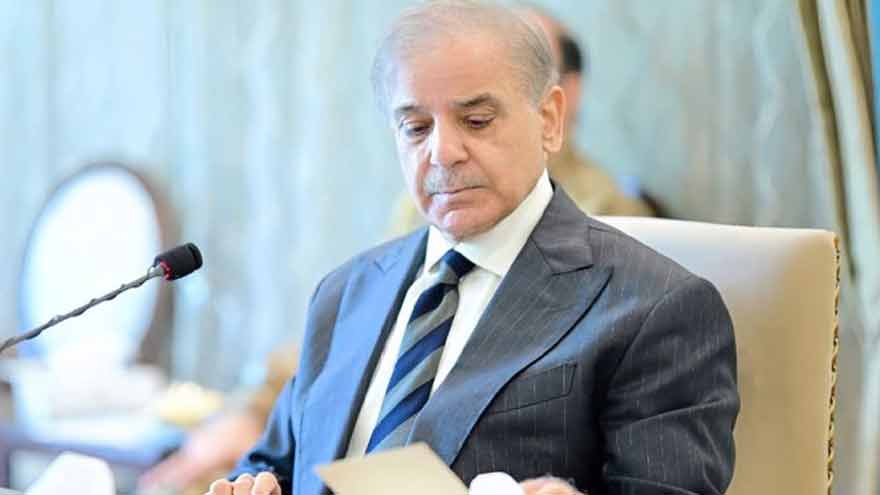
Structural advancement requires precision-calibrated fiscal planning to ensure long-term stability. The National Economic Council (NEC), chaired by Prime Minister Shehbaz Sharif, recently ratified the NEC development budget for the 2026-27 fiscal year. This strategic approval encompasses both federal and provincial Public Sector Development Programs (PSDP), providing a baseline for national modernization.
The Strategic Logic of the NEC Development Budget
During the high-level session, the council reviewed the current status of PSDP implementation to ensure capital efficiency. Consequently, authorities presented progress reports for major mega-projects approved by the Central Development Working Party (CDWP) and ECNEC between April 2025 and March 2026. The meeting included chief ministers from all four provinces and senior federal officials, reflecting a unified approach to economic governance.
_updates.jpg)
The Translation: Deciphering the PSDP Blueprint
While the Public Sector Development Program (PSDP) often sounds like technical jargon, it serves as the actual engine of national construction. The government uses this budget to fund the physical and digital infrastructure that keeps Pakistan running. Specifically, the NEC evaluated monitoring reports to verify that allocated funds translate into tangible progress rather than administrative delays.

Socio-Economic Impact: Engineering Daily Life Improvements
The approval of this budget acts as a catalyst for regional development, directly impacting the daily lives of Pakistani citizens. For students, this means the construction of modern educational facilities; for professionals, it implies improved transit and digital connectivity. Furthermore, by balancing provincial and federal spending, the plan aims to reduce the economic disparity between urban centers and rural districts.
The Forward Path: A Momentum Shift in National Planning
We categorize this development as a Momentum Shift. The strategic inclusion of all provincial heads ensures that the national growth trajectory remains synchronized. This calibrated approach to the NEC development budget signals a transition from reactive spending to proactive, data-driven infrastructure investment. By maintaining this discipline, Pakistan can achieve the system efficiency required for sustained economic resilience.








