
Strategic Preparedness: Understanding the NDMA Weather Alert
The National Disaster Management Authority (NDMA) has issued a critical NDMA weather alert effective from July 19 to July 23, signaling a structural shift in seasonal monsoon patterns. Strengthening Arabian Sea currents, coupled with a northern western disturbance, necessitate immediate precision in national preparedness across Azad Jammu and Kashmir (AJK), Khyber Pakhtunkhwa (KP), and Punjab. Consequently, the convergence of these weather systems will likely intensify precipitation levels beyond standard seasonal baselines.
The NDMA identifies a high-intensity wet spell targeting key urban centers and mountainous regions. Strategic focus remains on AJK regions like Muzaffarabad and Neelum Valley, alongside KP districts including Peshawar, Swat, and Abbottabad. Furthermore, moderate to heavy rainfall will calibrate water levels in Gilgit-Baltistan, requiring vigilant monitoring of local infrastructure.
Navigating Urban Flooding Risks and Infrastructure Vulnerabilities
Between July 20 and 23, the NDMA weather alert specifically warns of localized drainage failure within major metropolitan hubs. Islamabad, Rawalpindi, Lahore, and Peshawar face significant urban flooding risks. Similarly, Gujranwala, Sialkot, Multan, and Faisalabad must prepare for substantial water accumulation that could disrupt municipal logistics and transport networks. Consequently, low-lying neighborhoods and underpasses remain the most vulnerable nodes in the urban grid.
Hydrological Impact and Topographical Hazards
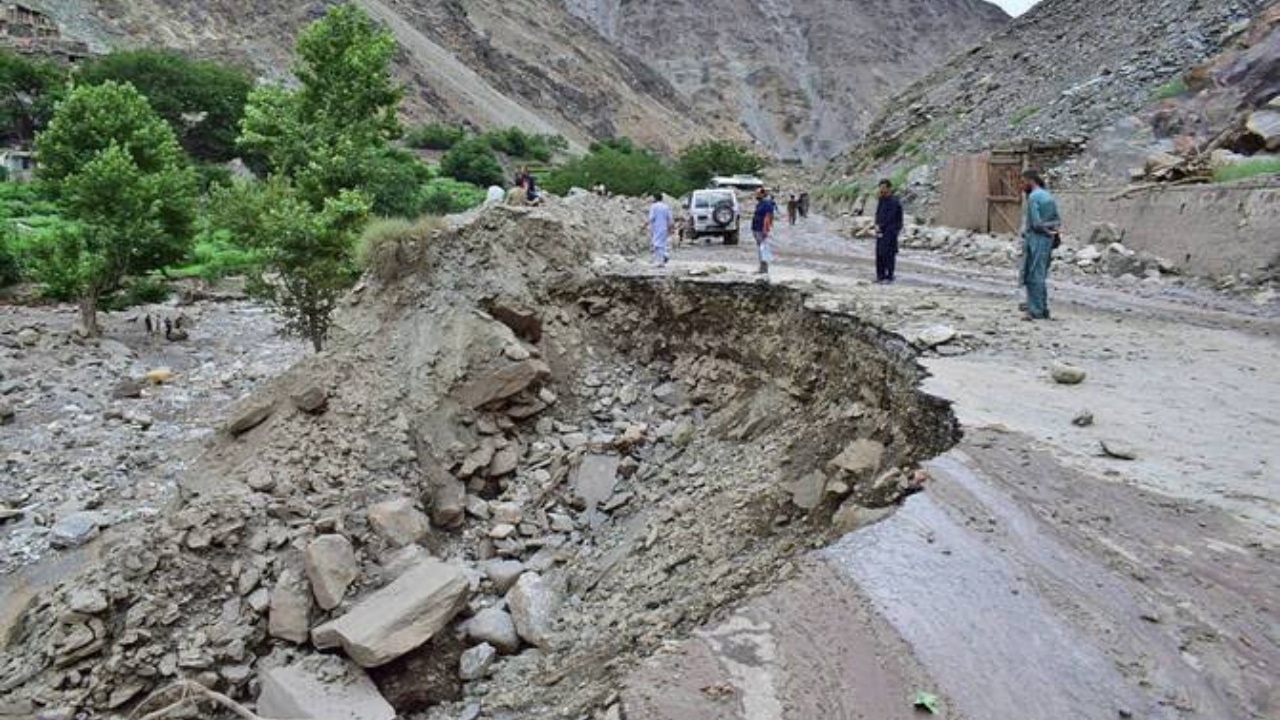
The anticipated rainfall will directly influence the flow rates of the Chenab, Jhelum, and Kabul rivers. Communities residing near these seasonal waterways must maintain a high state of alert as flash flooding risks increase. In hilly terrains, including Murree, Galiyat, and Upper KP, persistent saturation of the soil may trigger landslides. These geologically unstable events could block critical supply routes and disrupt regional travel between July 20 and 25.
The Translation (Clear Context)
The current meteorological situation involves a “dual-feed” mechanism. Moisture from the Arabian Sea provides the volume, while a western disturbance from the north provides the atmospheric instability required for heavy downpours. This combination transforms standard seasonal rain into high-impact weather events that test the resilience of our drainage and river management systems.
The Socio-Economic Impact
For the average Pakistani citizen, this alert implies significant disruptions to the daily commute and supply chain logistics. Urban professionals may face productivity losses due to flooded arteries, while rural communities in the north face potential isolation from landslides. Specifically, the risk to livestock and standing crops near riverbanks necessitates proactive relocation to prevent economic shocks to household incomes.
The Forward Path (Opinion)
This development represents a Stabilization Move. While the weather itself is a natural variable, the NDMA’s proactive communication is a calibrated effort to maintain national safety baselines. True “Momentum” will only be achieved when our urban centers transition from reactive alerts to climate-resilient infrastructure capable of absorbing these predictable seasonal surges without systemic failure.
Strategic Directives for Tourists and Travelers
- Verify Conditions: Always check real-time traffic and weather telemetry before entering mountainous zones.
- Avoid High-Risk Activities: Suspend all trekking, hiking, and camping during the alert period.
- Maintain Distance: Stay clear of rivers, nullahs, and submerged bridges to avoid unpredictable surges.
- Seek Elevation: Prioritize accommodation on higher ground and strictly adhere to local administration directives.








