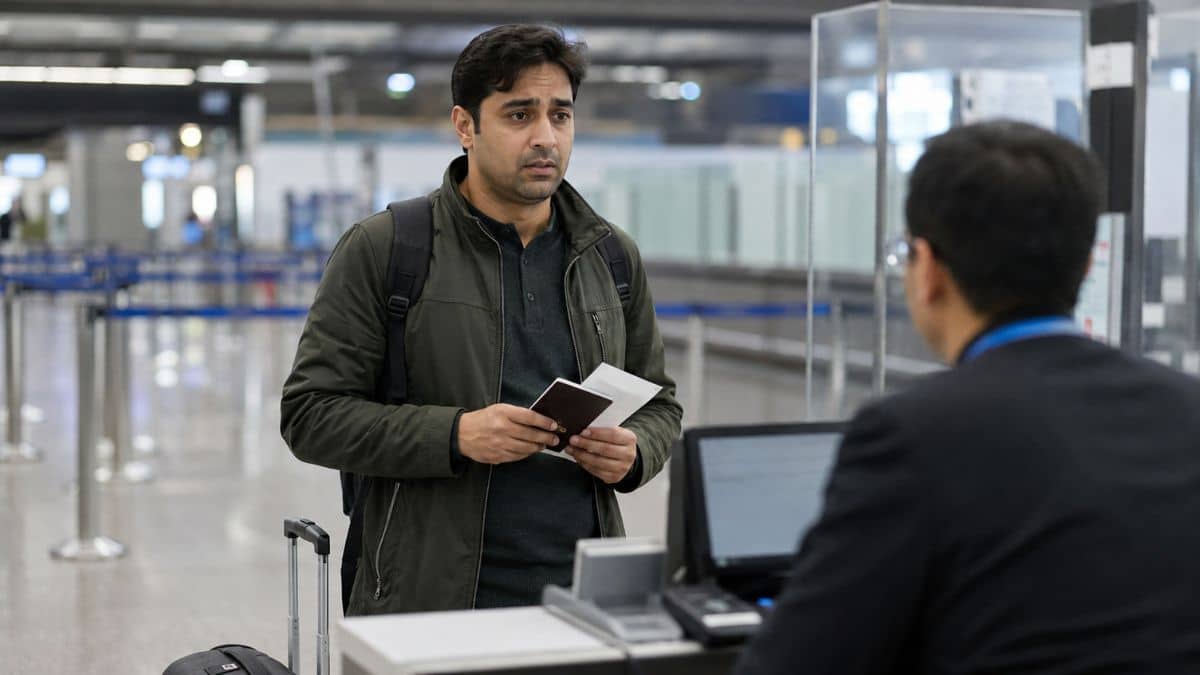
Strategic adjustments by the Iraqi government have introduced significant Iraq visa restrictions for Pakistani male pilgrims under 50. The Ministry of Religious Affairs recently notified Ziarat Group Organizers that solo travel for this demographic is now prohibited. Consequently, these structural changes aim to eliminate visa misuse and ensure that pilgrimage activities align with intended legal frameworks. Travelers must now recalibrate their plans to meet these precision-driven security requirements.
The Translation: Contextualizing the New Framework
Iraq’s decision reflects a calibrated response to systemic visa abuse. Previously, individuals exploited family-group categories to secure entry but traveled independently. Iraqi authorities now require that all family members listed on a visa application travel together. Furthermore, immigration officials will retain passports to minimize the risk of overstays. This policy shifts the responsibility to the traveler and the organizer to maintain the integrity of the visa system.
Strict Compliance for Family Groups
The new directive enforces a mandatory “togetherness” protocol. Under these instructions, travelers must adhere to the following baseline rules:
- Unified Travel: Family visa holders must arrive and depart with the exact relatives listed in their application.
- Information Integrity: All data submitted by Ziarat organizers must be verifiable and 100% accurate.
- Purpose Alignment: Visit and pilgrimage visas cannot be used as a catalyst for seeking employment in Iraq.
New Passport Retention and Security Protocols
To curb unauthorized activities, Iraqi immigration will now retain the passports of Pakistani pilgrims upon entry. This measure serves as a structural deterrent against visa overstays. While diplomatic and official passport holders remain exempt, all other citizens must comply. Additionally, every traveler—including newborns—must possess a separate passport valid for at least six months from the travel date.
Economic Penalties for Policy Violations
Violating Iraq visa restrictions results in immediate and severe financial consequences. The Iraqi government has established a clear penalty baseline:
- Fines: A penalty of 500,000 Iraqi dinars applies for overstays up to 60 days.
- Detention: Failure to pay fines results in continued detention until the debt is cleared.
- Lifetime Bans: Overstaying beyond 60 days triggers deportation and a permanent ban on re-entering Iraq.
The Socio-Economic Impact
For the average Pakistani household, these regulations increase the logistical complexity of religious travel. Students and young professionals seeking independent spiritual journeys must now re-calibrate their plans to include family units. While these measures protect the bilateral diplomatic baseline, they impose a stricter financial burden. The high-stakes environment ensures that compliance is the only viable path for sustainable mobility between the two nations.
The Forward Path: An Innovator’s Perspective
This development represents a Stabilization Move. While it may seem restrictive, it is a necessary catalyst for restoring the credibility of the Pakistani passport in international corridors. By enforcing these boundaries, the Ministry ensures that pilgrimage remains a sacred duty rather than a backdoor for unauthorized employment. For Pakistan to progress, our citizens must adhere to global standards of migration and system efficiency.