
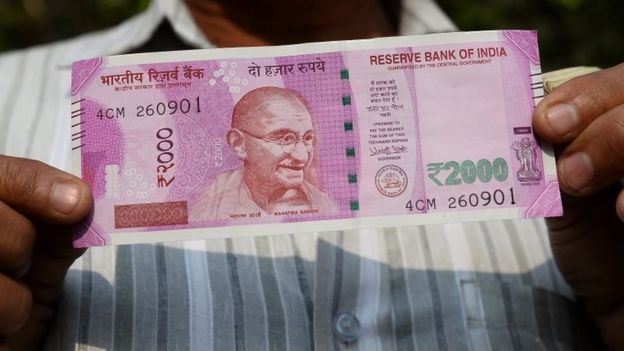
The Reserve Bank of India (RBI) recently executed a calibrated strategic intervention to mitigate the Indian Rupee crash as the currency plummeted toward historic lows. On Monday, the central bank sold US dollars across both offshore and onshore markets to counteract a 0.2 percent decline. This volatility pushed the rupee to 96.4575 against the dollar, dangerously close to the all-time low of 96.9650 recorded in late May. Consequently, this maneuver highlights the intensifying pressure on regional fiscal stability amidst shifting global energy dynamics.
The Energy Catalyst and Market Volatility
Brent crude prices recently surged above $90 per barrel, representing a 20 percent increase within just two weeks. This escalation stems largely from geopolitical friction between the United States and Iran. Because India imports over 80 percent of its crude requirements, these rising costs create a massive demand for dollars among oil importers. This demand serves as the primary catalyst for the Indian Rupee crash, as the trade deficit widens and places immense strain on foreign exchange reserves. Although the RBI eased bond investment rules in June to attract capital, the sustained rise in energy costs has largely neutralized those gains.
The Translation: De-coding Central Bank Intervention
In technical terms, the RBI is performing “liquidity sterilization” to prevent a freefall. When a currency weakens too rapidly, the central bank sells its US dollar reserves and buys its own currency. This precision move increases the demand for the rupee and mops up excess supply. Rather than defending a rigid exchange rate, the RBI is smoothing “excessive volatility.” Essentially, they are creating a structural buffer to ensure that the currency’s descent remains controlled rather than chaotic.
Socio-Economic Impact on the Citizenry
For the average household, this development translates directly into “imported inflation.” As the rupee weakens and oil prices climb, the cost of transporting goods across the country increases. This creates a baseline price hike for essential commodities, from vegetables to electronic goods. For professionals and students planning international travel or education, the Indian Rupee crash means higher tuition costs and reduced purchasing power abroad. Furthermore, the widening trade deficit can lead to tighter domestic fiscal policies, potentially affecting interest rates for home and auto loans.
The Forward Path: Momentum Shift or Stabilization?
We categorize this development as a Stabilization Move. While the RBI’s intervention prevents an immediate systemic collapse, it does not address the underlying structural dependency on foreign energy. Barclays analysts suggest that while non-resident Indian (NRI) deposits may increase, they might not meet market expectations. To achieve a true momentum shift, the region must decouple its currency stability from the volatility of Brent crude. For now, the central bank is successfully maintaining a baseline of order, but the economic architecture remains under significant external stress.








