
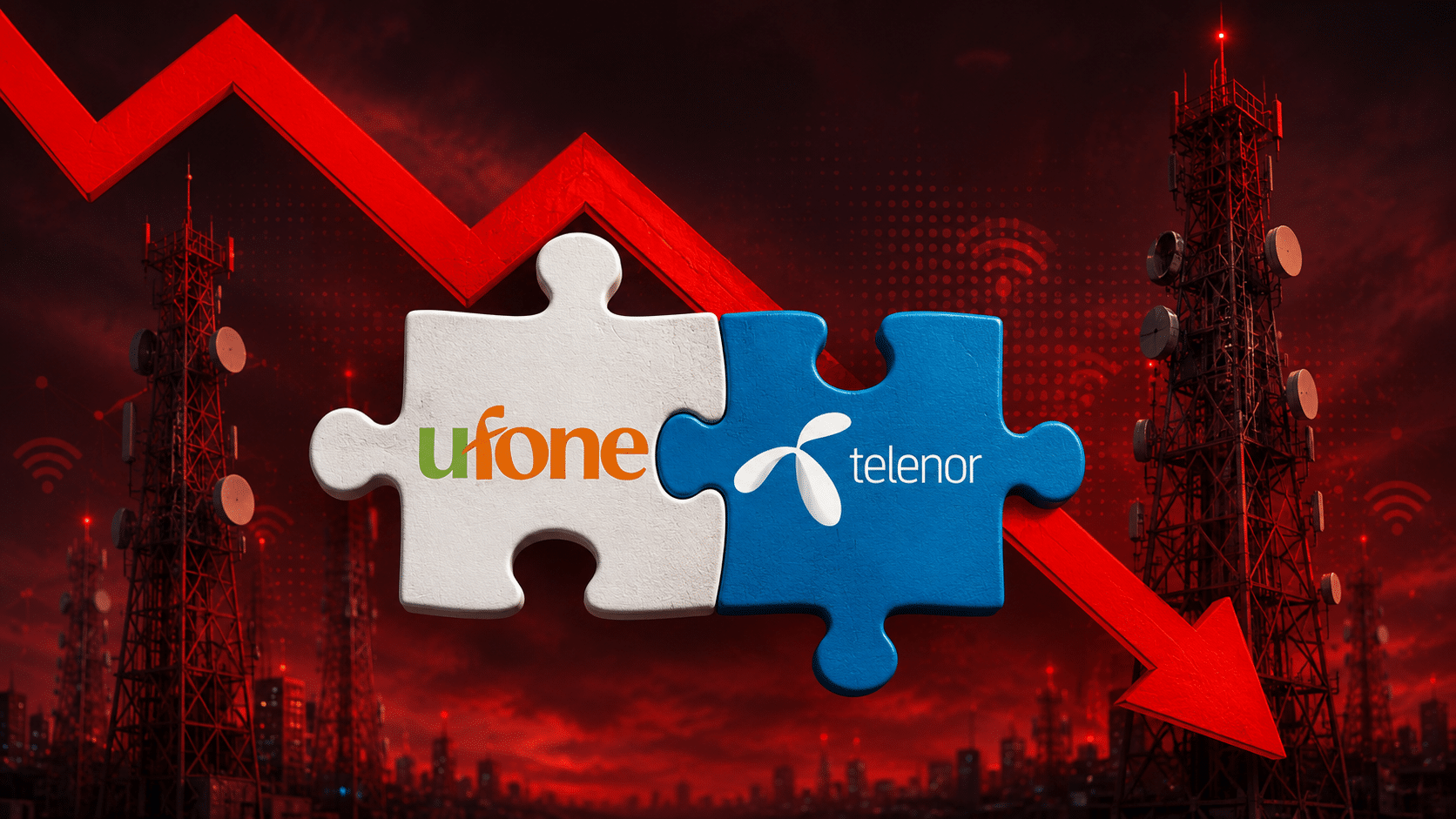
The Digital Consolidation Challenge
The National Assembly Standing Committee on IT expresses grave concern regarding the Telenor-Ufone merger, warning that structural consolidation must not compromise consumer connectivity. Lawmakers highlighted a baseline of deteriorating performance, urging immediate regulatory intervention to safeguard the national digital infrastructure. Consequently, the committee demanded a calibrated roadmap from telecom operators to ensure network efficiency remains a priority during this transition.
Committee Chairman Syed Amin Ul Haque specifically noted that Ufone’s service levels have reached a critical low point. Furthermore, committee member Rana Iradat Sharif cautioned that the Telenor-Ufone merger might inadvertently extend these service failures to Telenor’s existing user base. To address these systemic risks, the committee summoned officials from Pak Telecom Mobile Limited (PTML) to explain their strategic plan for service optimization at the next assembly meeting.
The Translation: Breaking Down the Integration
While corporate mergers often focus on fiscal efficiency and market share, the “Next Gen” reality is that infrastructure integration frequently creates technical friction. The logic here is simple: merging two distinct hardware architectures requires high-precision engineering. If the integration process lacks sufficient investment, the result is often a congested network rather than a streamlined one. Lawmakers are essentially demanding a structural guarantee that this Telenor-Ufone merger serves as a catalyst for growth rather than a reason for service decay.
The Socio-Economic Impact: Connectivity as a Lifeline
For the modern Pakistani professional, student, or household, mobile service quality is no longer a luxury—it is a baseline for economic participation. A decline in network stability directly disrupts the digital economy, impacting remote work productivity and the reliability of mobile banking across both urban and rural landscapes. If the Telenor-Ufone merger results in higher latency or dropped calls, it effectively throttles the earning potential of the nation’s growing freelance and digital workforce.
The Forward Path: Momentum Shift or Stabilization?
This development currently represents a Stabilization Move that carries significant risk. To transform this into a genuine “Momentum Shift,” the PTA must pivot from passive observation to aggressive regulatory enforcement. While the PTA expects long-term gains from 5G rollouts, the immediate focus must remain on the precision of current 4G services. Structural progress in Pakistan’s telecom sector requires operators to meet rigid quality standards before being allowed further market consolidation.








