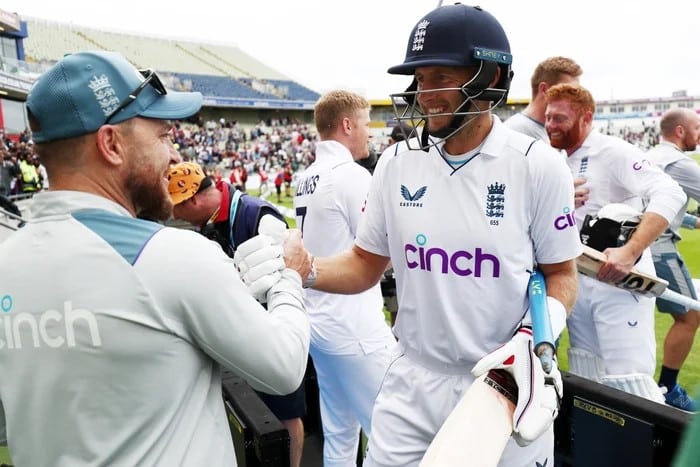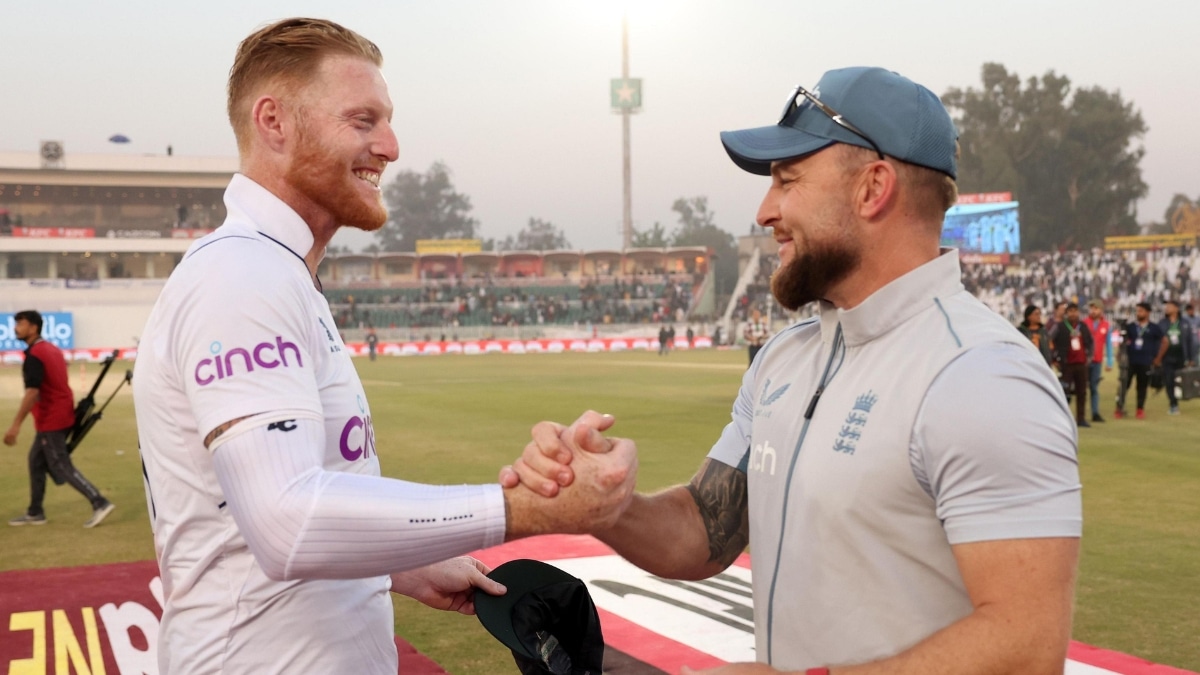
The Bazball Era has officially reached its terminal velocity. Brendon McCullum’s dismissal as England’s red-ball head coach, occurring shortly after Ben Stokes’ sudden international retirement, signals the structural collapse of a high-octane experiment. This partnership once promised to calibrate Test cricket for a modern, digital-first audience. However, the system eventually succumbed to its own internal friction, leaving a legacy of both record-breaking velocity and catastrophic implosion.
The Structural Collapse of the Bazball Era
During its peak, the Bazball Era served as a catalyst for unprecedented scoring rates. Consequently, England transformed from a unit with one win in 17 matches to a relentless force that won 10 of their first 11 games under the Stokes-McCullum hierarchy. They utilized ultra-aggressive batting as a baseline, treating Test cricket with the same strategic impetus as a T20 World Cup final. This precision-engineered aggression initially caught opponents off-guard, especially during their 3-0 sweep on Pakistani soil.

Nevertheless, the system lacked a secondary gear. Test cricket requires players to modulate their intensity based on atmospheric conditions and pitch degradation. England’s “honey badger” philosophy—characterized by relentless, fearless attacking—meant they often drove recklessly in sixth gear when the terrain demanded caution. Furthermore, this tactical rigidity led to several high-profile failures, including the inability to secure the Ashes at home in 2023.
Calibrated Risks vs. Reckless Execution
Strategic innovation was the hallmark of the Bazball Era. Stokes utilized unconventional field settings and ambitious declarations to manufacture results on benign surfaces. For example, the umbrella field used to trap Usman Khawaja became a global talking point. However, the leadership team often spammed these tactics beyond necessity. Ambitious declarations in Wellington and Birmingham turned certain victories into narrow defeats, proving that there is a fine line between dangling a carrot and gifting a win.
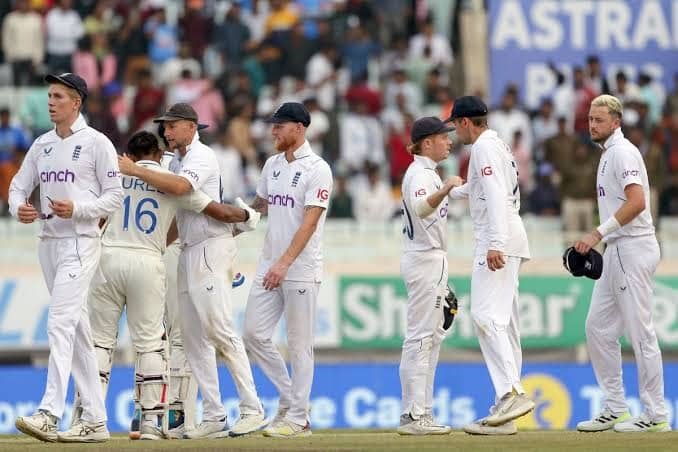
- High-Intent Batting: Scoring rates hit historic highs but often ignored match situations.
- Innovative Fielding: Unique placements created mental pressure but lacked sustainability.
- Aggressive Declarations: Aimed to save Test cricket but frequently sacrificed critical points.

The Situation Room: A Post-Mortem Analysis
The Translation (Clear Context)
In technical terms, “Bazball” was an attempt to apply “Disruptive Innovation” to a 147-year-old format. By prioritizing entertainment and psychological dominance, England sought to bypass the traditional attritional phases of the game. While the logic was sound—putting pressure on the bowler minimizes their margin for error—the execution became dogmatic. They ignored the “feedback loop” of losses, choosing instead to double down on high-risk maneuvers even when opponents had decoded their patterns.

The Socio-Economic Impact
For the average Pakistani citizen and cricket enthusiast, the Bazball Era significantly altered the commercial and aspirational landscape of the sport. The high-speed nature of these matches increased viewership metrics, which directly influences broadcasting revenue for the PCB. For students and young athletes in urban centers like Lahore and Karachi, it redefined the “ideal” cricketer as a multi-dimensional asset. However, the eventual failure of the model serves as a cautionary tale for domestic professionals: pure aggression without structural discipline leads to short-term gains but long-term instability.

The Forward Path (Opinion)
This development represents a Momentum Shift rather than a complete failure. The Bazball Era proved that Test cricket can be modern, volatile, and commercially viable. Nevertheless, the next iteration of the England team must adopt an “Educated Reset.” They need to retain the aggressive mindset while reintroducing the precision of defensive mastery. A hybrid model that values victory over mere entertainment is the only sustainable way to survive the rigors of the World Test Championship.