
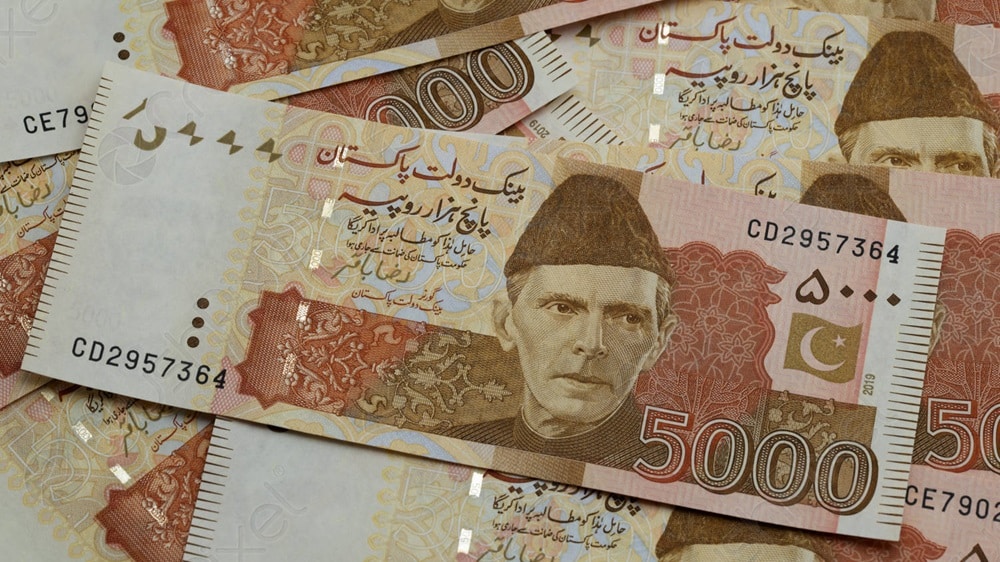
The Ministry of Finance has issued a calibrated directive requiring all federal entities to return unspent funds within a strict 10-day deadline. This strategic move aims to optimize the national ledger for the upcoming fiscal cycle. By reclaiming these resources, the government seeks to enforce a new baseline for Fiscal Discipline across all divisions and autonomous bodies.
Calibrating Fiscal Discipline through Fund Reclamation
Principal accounting officers must now surrender anticipated savings across four major expenditure heads by May 10. These include civil government operations, employee-related expenses, grants, and development funds. Consequently, the Finance Division expects these amounts to be entered into the computer system immediately to finalize revised estimates for FY2025-26. This accelerated timeline shifts the original May 31 deadline forward by nearly a month.
The Public Sector Development Programme Paradox
The directive arrives as the Public Sector Development Programme (PSDP) faces significant structural pressure. Specifically, the government reduced the programme by Rs. 173 billion to fund a subsidy package for petroleum prices. Despite these cuts, federal entities utilized less than half of their allocations during the first nine months. Data shows total PSDP utilization stood at only 41.5%, highlighting a critical need for Fiscal Discipline in resource management.
Interestingly, parliamentarian schemes served as an exception to this trend. The Sustainable Development Goals Achievement Programme utilized nearly 70% of its allocation. By the end of March, more than Rs. 44 billion had already been spent on these specific initiatives. This disparity suggests that while general development lags, politically prioritized projects maintain high momentum.
The Translation: Clear Context
In technical terms, “surrendering savings” refers to the process where government departments acknowledge they cannot spend their allotted budget before the year ends. Instead of letting these funds sit idle in accounts, the Ministry of Finance pulls them back into the central treasury. This mechanism allows the government to recalibrate its “Fiscal Discipline” and redirect capital to urgent national priorities, such as energy subsidies or debt servicing.

The Socio-Economic Impact
For the average Pakistani citizen, this move signals a transition toward higher government accountability. When ministries fail to spend their budgets on public welfare, it often results in delayed infrastructure and social services. By reclaiming these funds, the state can theoretically stabilize fuel prices through subsidies, providing immediate relief to household budgets. However, the under-utilization of development funds remains a catalyst for slower long-term economic growth in rural areas.
The “Forward Path”: Opinion
This development represents a Stabilization Move rather than a total momentum shift. While the aggressive 10-day deadline demonstrates a precision-driven approach to liquidity management, it also reveals deep-seated inefficiencies in our administrative machinery. To achieve true progress, the government must move beyond simply reclaiming funds. We must fix the structural bottlenecks that prevent ministries from utilizing their budgets for public good in the first place.








