
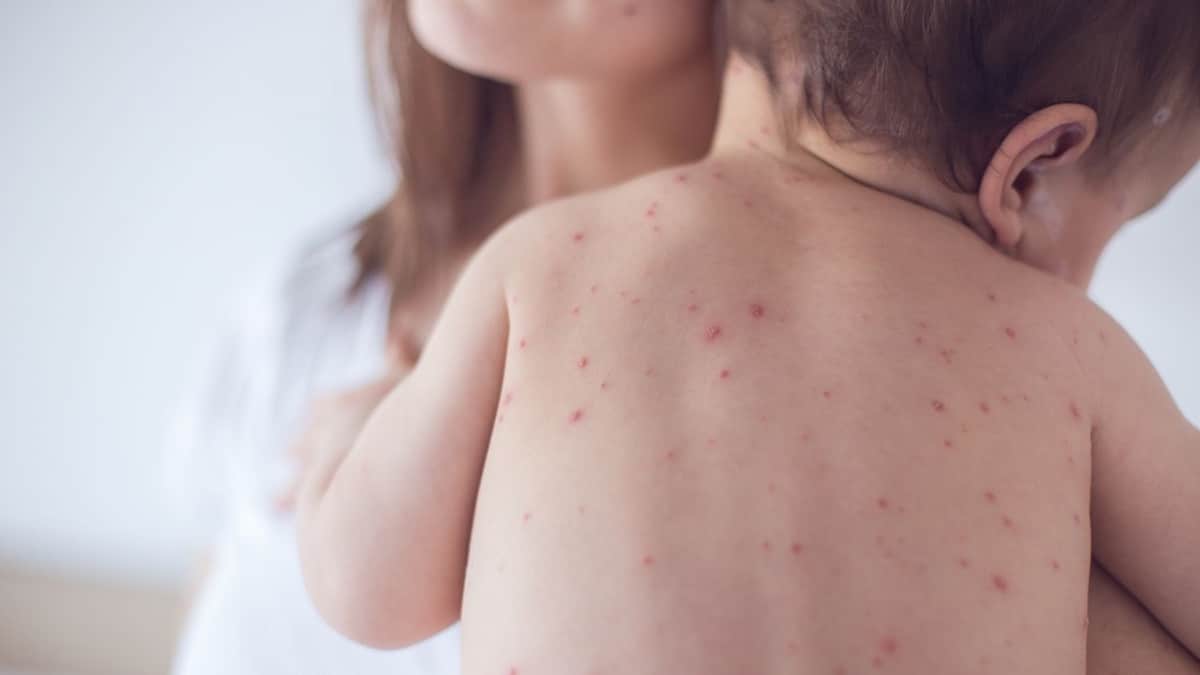
The structural integrity of a nation’s health system relies on its baseline immunization metrics. Strengthening measles vaccination Karachi protocols has become a strategic necessity following the loss of 144 children during the first seven months of 2026. Data from four premier healthcare facilities confirms that 125 deaths resulted from measles, while diphtheria claimed 19 lives. Consequently, these preventable tragedies highlight a critical friction point in our current urban health infrastructure.
The Data: Analyzing the 2026 Health Metrics
Four major institutions—Indus Hospital, SIDHRC, NICH, and SICHN—documented a combined 1,915 measles cases. Specifically, Indus Hospital recorded 850 cases and 17 fatalities. The Sindh Infectious Diseases Hospital and Research Centre (SIDHRC) reported 575 cases, resulting in 36 measles-related deaths and 18 diphtheria-related deaths. Furthermore, the Sindh Institute of Child Health and Neonatology (SICHN) tracked 484 cases with 65 fatalities. These figures represent a calibrated baseline for measuring system efficiency.
Measles Vaccination Karachi: Closing the Immunization Gap
Precision in vaccination timing is the primary catalyst for herd immunity. Currently, 20 to 25 percent of children in Pakistan fail to receive vaccinations on a strategic schedule. While birth-dose coverage remains high, follow-up participation declines sharply as children age. Dr. Khalid Shafi of the Pakistan Paediatric Association emphasizes that controlling measles requires a 95 percent dual-dose completion rate. Consequently, healthcare providers must transition from passive reporting to active record verification to ensure no child misses their nine-month or fifteen-month doses.
Government Response and Trend Analysis
Despite the tragic loss of life, the Sindh EPI Project Director, Dr. Raj Kumar, reports a 35 percent decline in measles cases compared to the previous year. For instance, the province recorded 3,025 cases in early 2026, down from 4,626 in 2025. To address existing staff shortages, the government recently recruited 970 additional vaccinators. This structural reinforcement aims to combat parental negligence and the misconceptions that frequently delay life-saving treatment.
The Situation Room Analysis
The Translation (Clear Context)
The “Expanded Program on Immunisation” (EPI) is not merely a bureaucratic schedule; it is a calibrated biological shield. The logic is simple: vaccines prime the immune system. When coverage drops below the 95 percent threshold, the “herd immunity” shield fractures. This allows viruses to circulate with precision among the most vulnerable, turning preventable infections into fatal outbreaks like the current measles vaccination Karachi crisis.
The Socio-Economic Impact
For the average Pakistani household, these health failures represent more than just a medical crisis. They lead to catastrophic out-of-pocket expenses and long-term disability, such as encephalitis-induced brain damage. In urban Karachi, a single outbreak can disrupt the economic stability of entire neighborhoods as parents miss work and hospitals exceed their functional capacity. Improving the measles vaccination Karachi framework directly protects the human capital of our growing metropolis.
The Forward Path (Opinion)
This development represents a Momentum Shift. While the death toll is sobering, the 35 percent reduction in cases and the recruitment of nearly 1,000 new vaccinators indicate a system that is finally calibrating its response. However, the transition from stabilization to total eradication requires a shift in parental psychology. We must view vaccination not as an option, but as a mandatory civic contribution to national security.








