
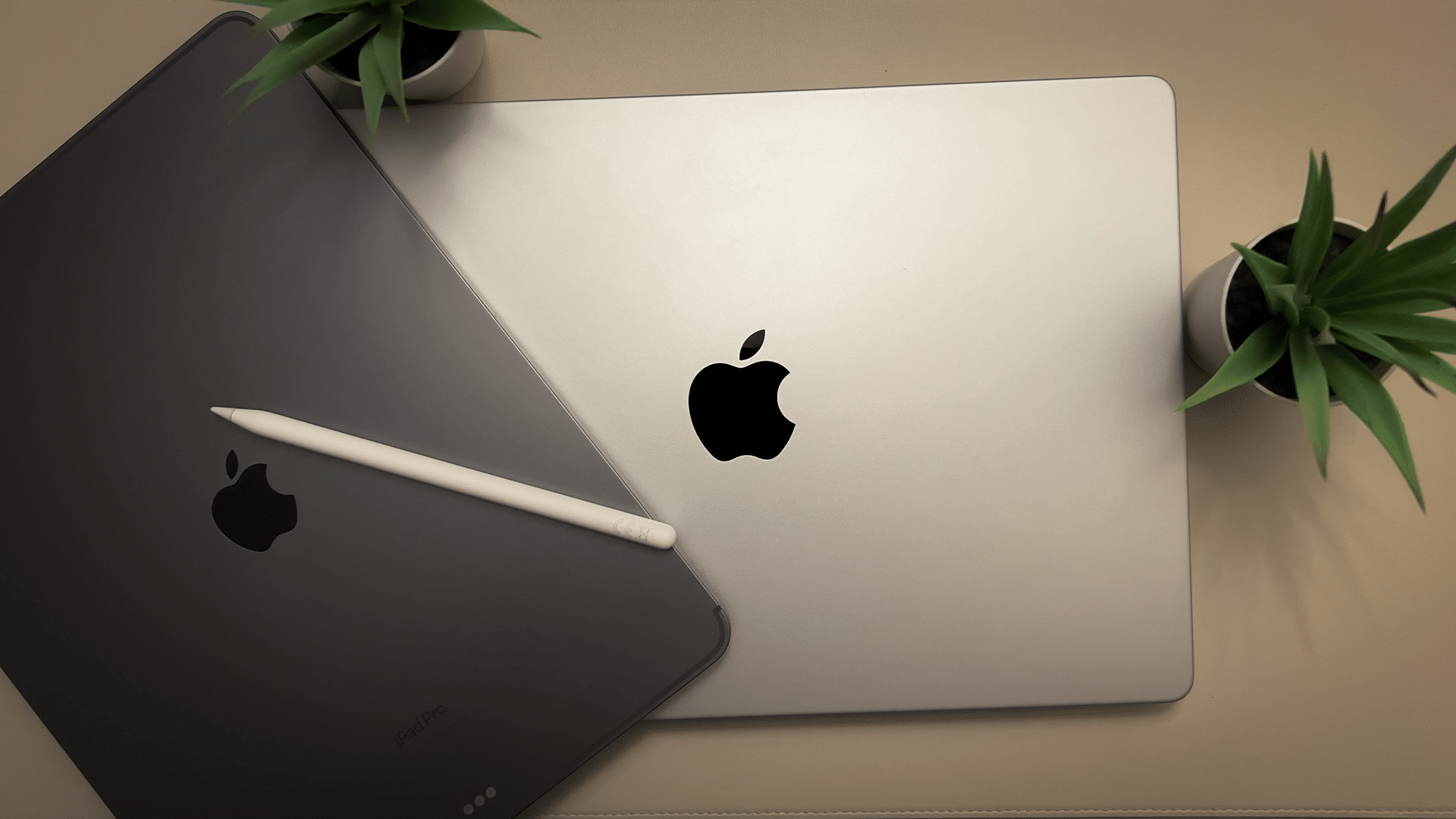
The Apple Price Hike: A Global Semiconductor Ripple
The global tech ecosystem is currently witnessing a significant Apple Price Hike as the company recalibrates its hardware margins. Driven by a sharp surge in semiconductor manufacturing costs, Apple has implemented unavoidable price increases across its signature MacBook and iPad lineups. For the Pakistani market, where currency volatility already presents a challenge, this structural shift translates into a substantial increase in the baseline cost of premium computing hardware.
Strategic Cost Adjustments Across Hardware Tiers
Apple CEO Tim Cook recently identified soaring chip costs as the primary catalyst for these adjustments. Consequently, the entry-level MacBook Air now commands a $1,299 price tag, representing a $200 increase. The MacBook Pro followed a similar trajectory, rising by $300 to a base price of $1,999. Furthermore, even the base MacBook Neo saw a $100 price elevation, now starting at $699. These calibrated changes reflect the rising expenditure required to secure advanced chip packaging and high-demand artificial intelligence hardware.
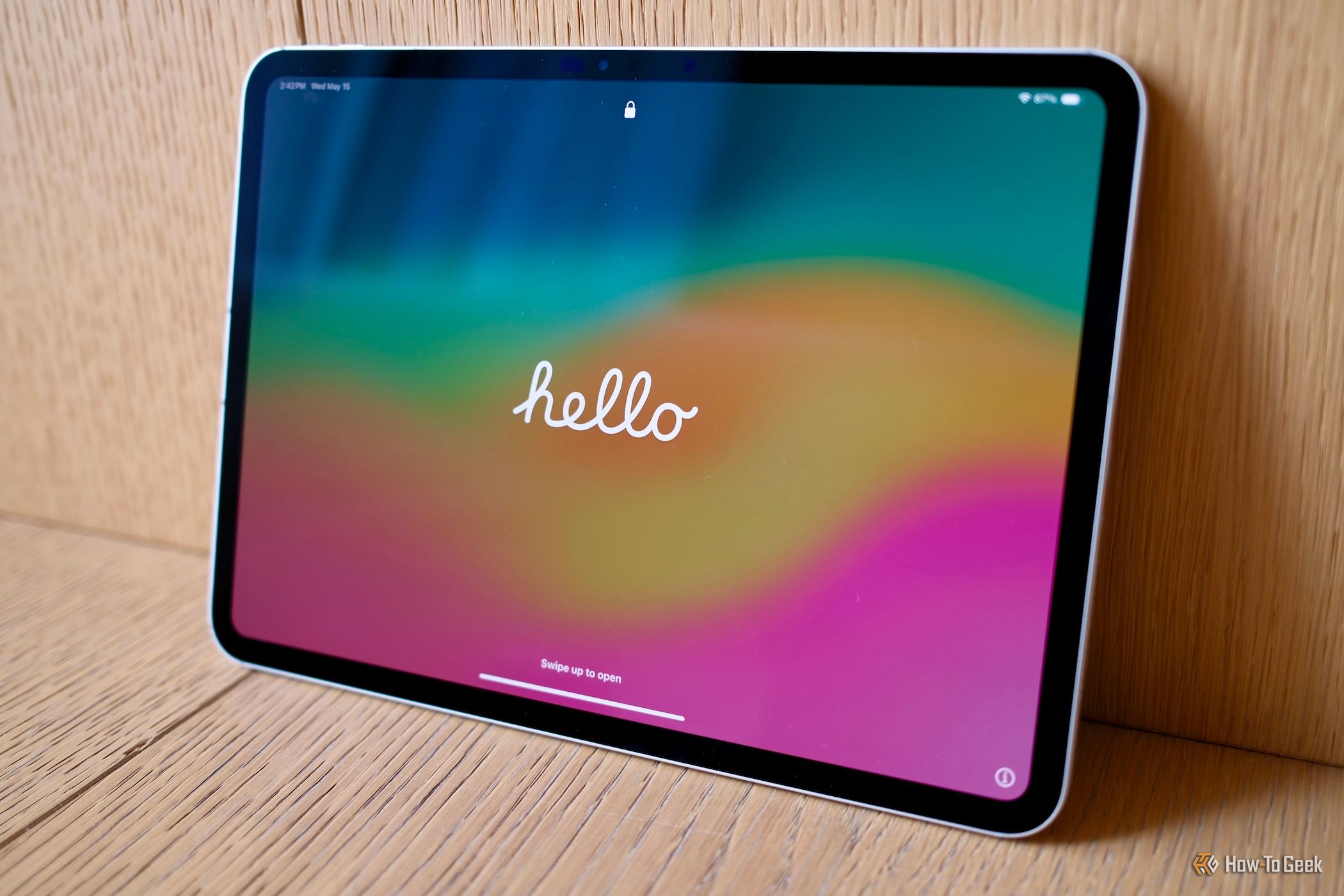
Impact on the iPad Ecosystem
The tablet division has not escaped this fiscal realignment. The iPad Air now costs $749, while the professional-grade iPad Pro has reached a $1,199 baseline. In Pakistan, assuming an open market rate of 280 PKR/USD, consumers could face an immediate price hike of approximately Rs. 84,000 per unit. This figure excludes importer margins and localized logistics costs, which will likely push the final retail price even higher for the domestic consumer.

The Situation Room Analysis
The Translation (Clear Context)
While consumers view this as a simple price increase, the logic is rooted in global supply chain precision. The semiconductor industry is currently prioritizing AI-capable silicon, which requires expensive, next-generation computing architecture. Apple, which previously maintained stable pricing, can no longer absorb these manufacturing overheads. Essentially, the “Apple Price Hike” is a direct reflection of the increased cost of innovation in a resource-constrained market.
The Socio-Economic Impact
For the average Pakistani professional or student, this development creates a high-entry barrier. As digital literacy and remote work become vital, the increasing cost of reliable hardware may widen the digital divide. Specifically, the Rs. 84,000 increase represents a significant portion of annual savings for middle-class households. This shift may force a transition toward secondary markets or alternative hardware ecosystems to sustain productivity.

The “Forward Path” (Opinion)
This development represents a Stabilization Move rather than a momentum shift. Apple is protecting its operational integrity against a volatile global supply chain. While the increased costs are a precision-strike to consumer budgets, they signify a new baseline for the tech industry. We expect other manufacturers to follow this trajectory as they compete for the same semiconductor resources to fuel the next generation of AI-driven computing.








