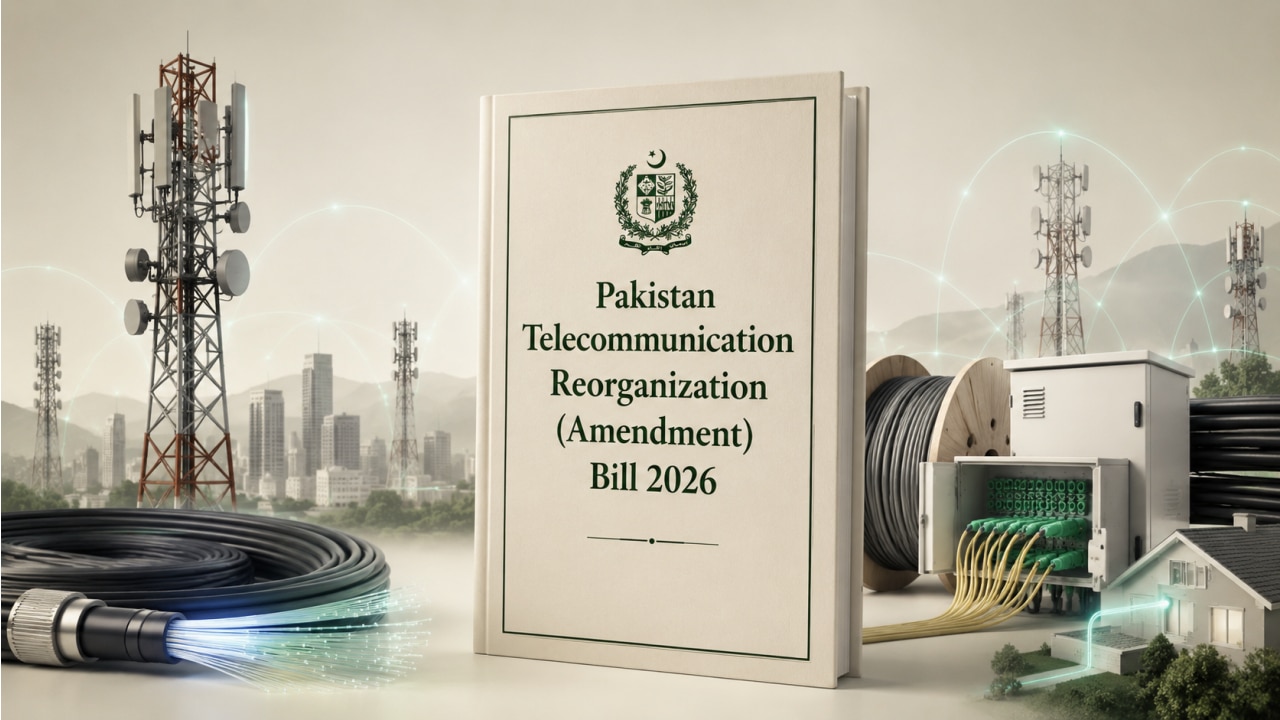
National advancement depends on the precision of our legal frameworks and infrastructure systems. Recently, the Senate Standing Committee on IT and Telecommunications calibrated the legislative pace by deferring a final decision on the Telecom Amendment Bill 2026. While the government targets a 60% fiberization baseline, structural concerns regarding private property rights and equipment definitions necessitate a strategic pause.
Structural Hurdles for the Telecom Amendment Bill
Senator Palwasha Khan chaired the session to evaluate legislation intended to accelerate national digital connectivity. Federal Minister Shaza Fatima highlighted that the amendments aim to dismantle barriers preventing large-scale fiberization. Consequently, the government seeks to remove “Right of Way” disputes that historically stagnate network expansion. Despite these goals, the committee identified critical friction points in the current draft.
Lawmakers expressed specific apprehension regarding the bill’s broad scope. While the primary objective is fiber optic expansion, the text includes references to general telecom equipment and towers. Senator Afnan Ullah argued for a more calibrated approach, suggesting that the Telecom Amendment Bill should focus strictly on fiberization to avoid overreach into private property installations.
The Translation: Contextualizing the Legislation
In simple terms, “Fiberization” is the process of connecting cell towers and buildings with high-capacity fiber optic cables. This is the catalyst for 5G and stable high-speed internet. The Telecom Amendment Bill seeks to give the government and providers easier access to lay these cables. However, the current “jargon” in the bill could allow for larger structures, like towers, to be placed on private land more easily. Lawmakers are now pausing to ensure the law protects land ownership while still promoting tech growth.
The Socio-Economic Impact: What This Means for You
For the average Pakistani student or professional, this delay represents a trade-off between speed and security. On one hand, a 60% fiberization rate would drastically improve internet reliability in both urban and rural sectors. This would lower costs and increase system efficiency for remote work and digital education. On the other hand, the committee is protecting citizens from potential government or corporate overreach regarding private property. A balanced bill ensures that progress does not come at the cost of individual rights.
The Forward Path: An Innovator’s Perspective
This development represents a Stabilization Move. While a delay might seem like a loss of momentum, refining the Telecom Amendment Bill now prevents future legal bottlenecks. A bill that lacks clarity on property rights would likely face constant challenges in court, eventually slowing down the fiberization process more than this committee review will. By removing provisions unrelated to fiber, the Senate is ensuring a leaner, more effective catalyst for Pakistan’s digital frontier.