
The calibrated expansion of Pakistan Large Scale Manufacturing (LSM) serves as a critical baseline for national advancement, recording a 5.77% growth during the first 11 months of fiscal year 2025-26. This industrial momentum persisted despite a marginal 0.98% year-on-year dip in May. Consequently, the Quantum Index of Manufacturing climbed to 121.65, demonstrating a resilient structural shift from the previous year’s baseline of 115.02.
The Translation: Deciphering the Industrial Trajectory
To understand the logic behind these figures, we must view the Large Scale Manufacturing index as the heartbeat of Pakistan’s formal economy. While the 5.77% cumulative growth suggests a robust recovery, the May dip indicates a temporary stabilization phase rather than a full-scale contraction. Furthermore, the 1.21% month-on-month increase from April to May suggests that the industrial engine is maintaining a steady cadence. Precisely, the data shows that high-performing sectors are currently offsetting the friction found in legacy industries.
Precision Drivers: Automotive and Energy Catalysts
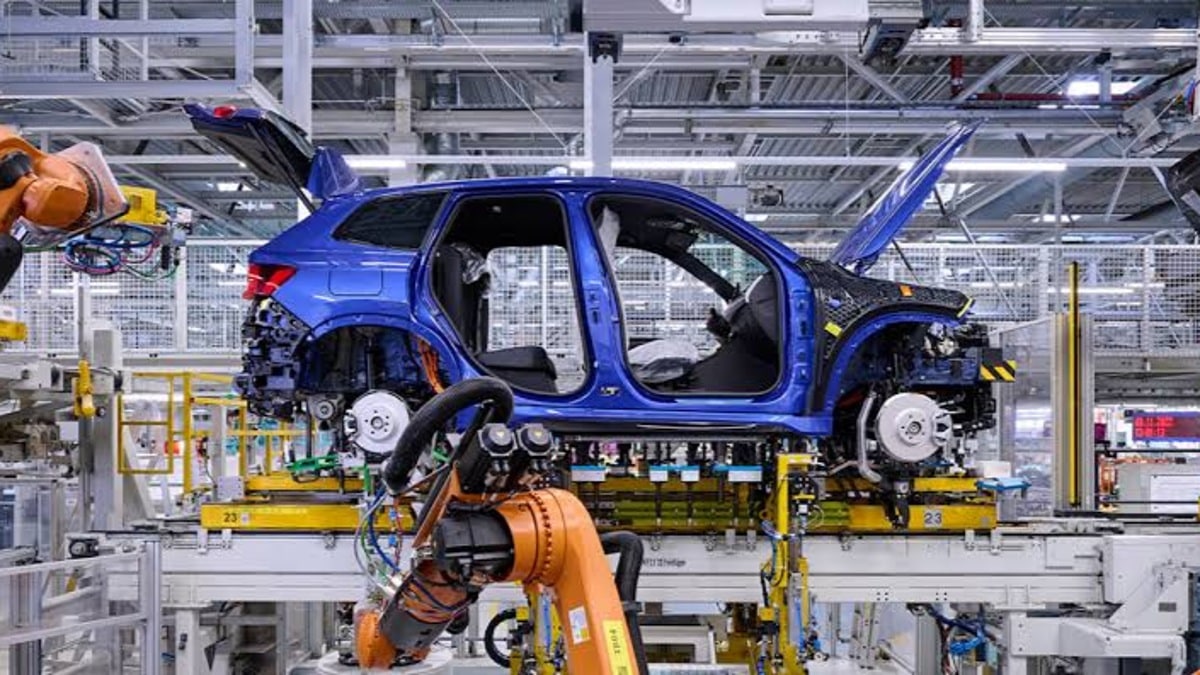
The automobile industry emerged as the primary catalyst for this industrial acceleration. Production in this sector surged by a staggering 58.82% over the 11-month period. Specifically, car and jeep production rose by 60.60%, while the truck manufacturing segment jumped by 76.88%. These figures represent a strategic restoration of supply chain efficiency and consumer demand. Similarly, the energy sector provided a strong baseline, with petroleum products growing by 10.56%. High-speed diesel and LPG production saw increases of 17.01% and 14.56%, respectively.

Structural Friction: Identifying Underperforming Sectors
Despite the overarching progress in Pakistan Large Scale Manufacturing, several sectors remain under significant pressure. Pharmaceutical production experienced an 8.07% decline, while iron and steel output dropped by 7.49%. In contrast, the textile sector—historically the backbone of national exports—remained largely stagnant with a marginal 0.09% decline. These data points indicate that while the “new economy” sectors (autos and food) are thriving, traditional heavy industries are navigating a period of stabilization and structural recalibration.
- Food & Beverages: Increased 7.75%, supported by sugar and bakery production.
- Garments: Recorded consistent gains with a 7.31% rise in exports.
- Chemicals: Faced a 2.64% reduction in total output.
- Fertilizers: Contracted by 2.25% due to supply chain constraints.
The Socio-Economic Impact: Daily Life and National Growth
For the average Pakistani citizen, this industrial growth translates into increased system efficiency. The surge in automobile and truck production directly impacts the logistics and transportation sectors, potentially lowering the cost of moving goods. Moreover, the 7.75% rise in food production ensures a more stable supply of essential commodities. For young professionals and STEM students, these figures signal a demand for high-precision manufacturing skills and technical expertise as the nation shifts toward more complex industrial outputs.
The Forward Path: A Momentum Shift
Our architectural analysis concludes that this development represents a clear Momentum Shift. While the May dip requires close monitoring, the aggregate growth across the fiscal year proves that the industrial baseline is rising. To sustain this trajectory, Pakistan must now pivot toward revitalizing the pharmaceutical and steel sectors through technological integration. The current data validates that strategic investments in automotive and energy sectors are yielding high-precision results for the national economy.








