
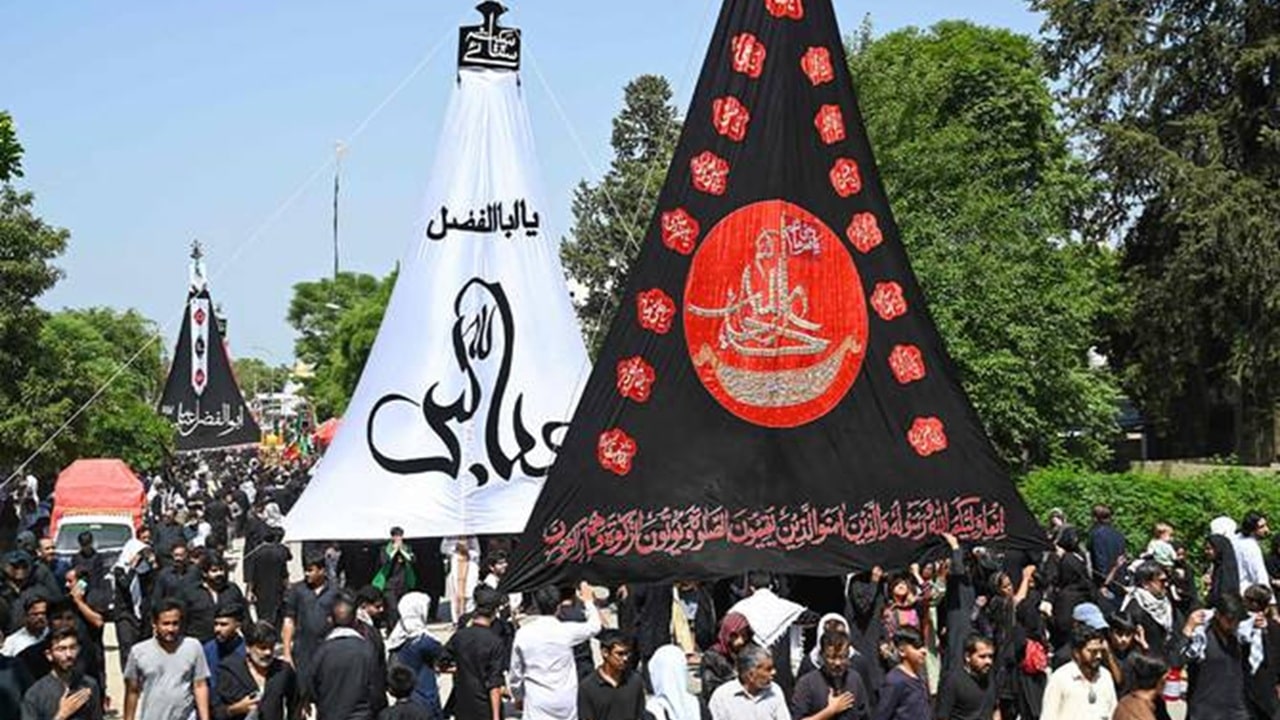
The Lahore Police Department has calibrated a sophisticated Muharram security plan to safeguard 3,868 Majalis and 458 processions across the provincial capital. Consequently, this multi-layered strategy integrates human intelligence with digital surveillance to maintain a baseline of absolute public safety during this high-alert period. CCPO Bilal Siddique Kamyana confirmed that the department utilizes a three-tier operational grid to mitigate risks effectively.
Structural Overview of the Muharram Security Plan
The department has categorized religious gatherings to optimize resource allocation. Specifically, the city will host 457 A-category, 2,610 B-category, and 801 C-category Majalis. In parallel, authorities will provide precision security for 458 mourning processions and 373 Imambargahs. To manage this massive logistical undertaking, police officers will perform over 100,000 security duties on a strategic rotational basis.
- A-Category Majalis: 457 high-priority locations.
- Procession Oversight: 104 A-category and 308 B-category routes.
- Infrastructure Protection: 373 Imambargahs and 93 mosques under 24/7 watch.
Digital Surveillance and Precision Enforcement
Technological integration serves as the backbone of this year’s operations. The Punjab Safe Cities Authority and nine dedicated control rooms will monitor all religious gatherings in real-time. Furthermore, Lahore Police will utilize QR code-based systems and panic buttons at critical junctions to ensure rapid response times. This digital layer allows for a dynamic reaction to any emerging structural threats within the city’s perimeter.

Regarding legal enforcement, the CCPO reiterated a zero-tolerance policy for unauthorized route deviations. Additionally, strict bans on loudspeaker violations and intelligence-based combing operations remain active. These measures coincide with a significant 55% decline in serious crime during 2026, reflecting a broader trend of system efficiency and successful recovery of property worth Rs8 billion since 2023.
The Situation Room Analysis
The Translation
The “Three-Tier Strategy” converts general policing into a specialized defensive hierarchy. By categorizing Majalis (A, B, and C), the police apply a calibrated response where high-risk areas receive maximum resource density. The shift to QR codes and panic buttons replaces traditional manual reporting with a verifiable digital trail, increasing officer accountability and situational awareness.
The Socio-Economic Impact
For the average Pakistani citizen, this level of planning ensures that metropolitan life remains stable despite high-density public movements. The improved traffic management plan directly reduces commuter friction, while the reported 55% decline in serious crime fosters a climate of economic confidence. When safety is a baseline, local markets and professional services can function with minimal disruption.
The Forward Path
This development represents a definitive Momentum Shift in Punjab’s security architecture. The transition from reactive policing to a data-driven, preemptive model suggests that the system is maturing. By clearing 1.332 million pending case challans and arresting 100,000 proclaimed offenders, the Lahore Police are moving beyond maintenance and toward a structural modernization of the rule of law.








