
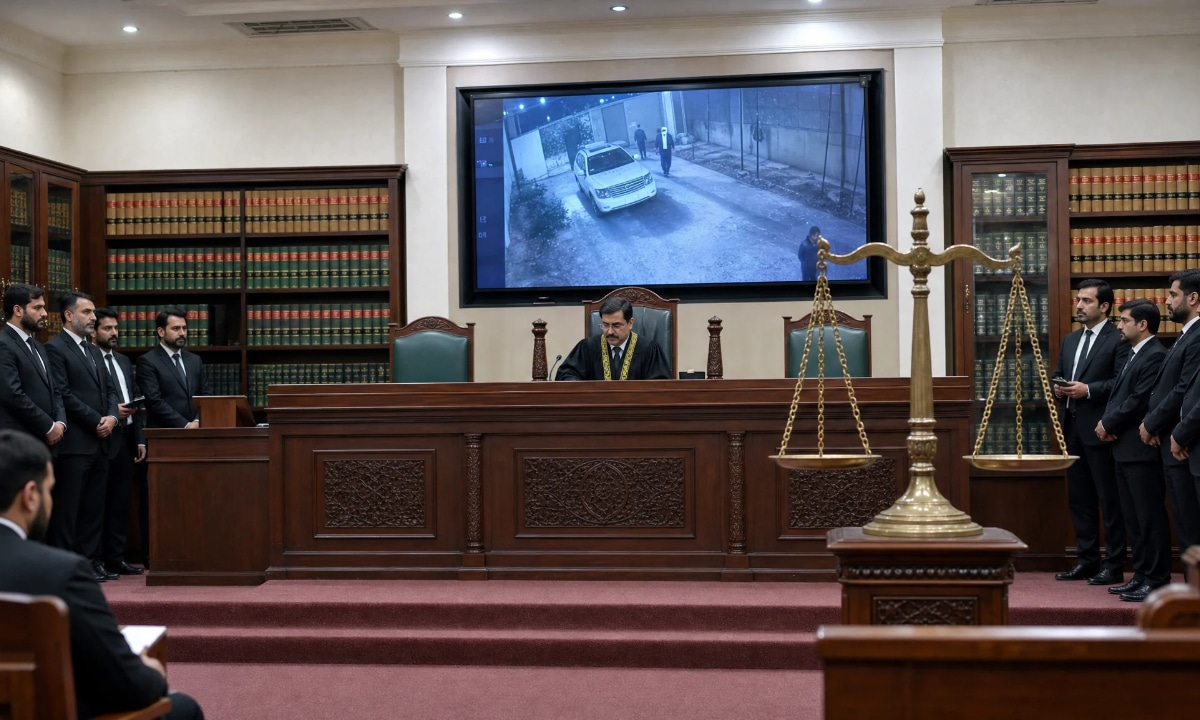
The structural integrity of Pakistan’s legal framework recently received a critical upgrade through a landmark judicial decision. The Lahore High Court (LHC) established a definitive baseline for video evidence admissibility in criminal trials, signaling a shift toward STEM-driven jurisprudence. Justice Muhammad Tariq Nadeem delivered a 30-page judgment that positions unedited, forensically verified recordings as superior to often-unreliable eyewitness testimony.
A New Strategic Precedent for Digital Testimony
The court adjudicated a double murder case where digital data directly challenged the prosecution’s narrative. Consequently, the ruling defines video recordings as a “silent witness” capable of forming the sole basis for a conviction. This precision-based approach ensures that objective reality takes precedence over subjective human memory during trial proceedings.
Furthermore, the judgment mandates a rigorous calibration of all electronic assets. Justice Nadeem observed that video evidence provides an impartial account of events, provided it passes a strict forensic examination. Specifically, the court excluded several photographs from the record because they lacked proper verification, highlighting the judiciary’s commitment to evidentiary purity.
The Translation: Clear Context
In technical terms, this ruling transitions the “burden of truth” from biological recall to digital verification. While eyewitnesses can be coerced, intimidated, or simply mistaken, a forensically secured video remains a static record of fact. The court is essentially stating that video evidence admissibility depends on the integrity of the file’s metadata and the absence of post-production tampering.
The Socio-Economic Impact
This development directly impacts the daily lives of Pakistani citizens by increasing system efficiency and reducing judicial error. For the average household, it means:
- Enhanced Protection: Reduced risk of wrongful convictions based on false or manipulated testimonies.
- Legal Empowerment: Citizens with smartphone footage now possess a powerful tool to ensure accountability, regardless of their social standing.
- Investigation Speed: Standardizing digital evidence can potentially accelerate trial durations, reducing the backlog in the criminal justice system.
The Forward Path: Opinion
This ruling represents a significant Momentum Shift for Pakistan. By institutionalizing forensic technology in the courtroom, the LHC is forcing a structural modernization of police investigative techniques. We are moving away from antiquated “oral-only” evidence and toward a precision-calibrated system where technology serves as the ultimate catalyst for truth.








