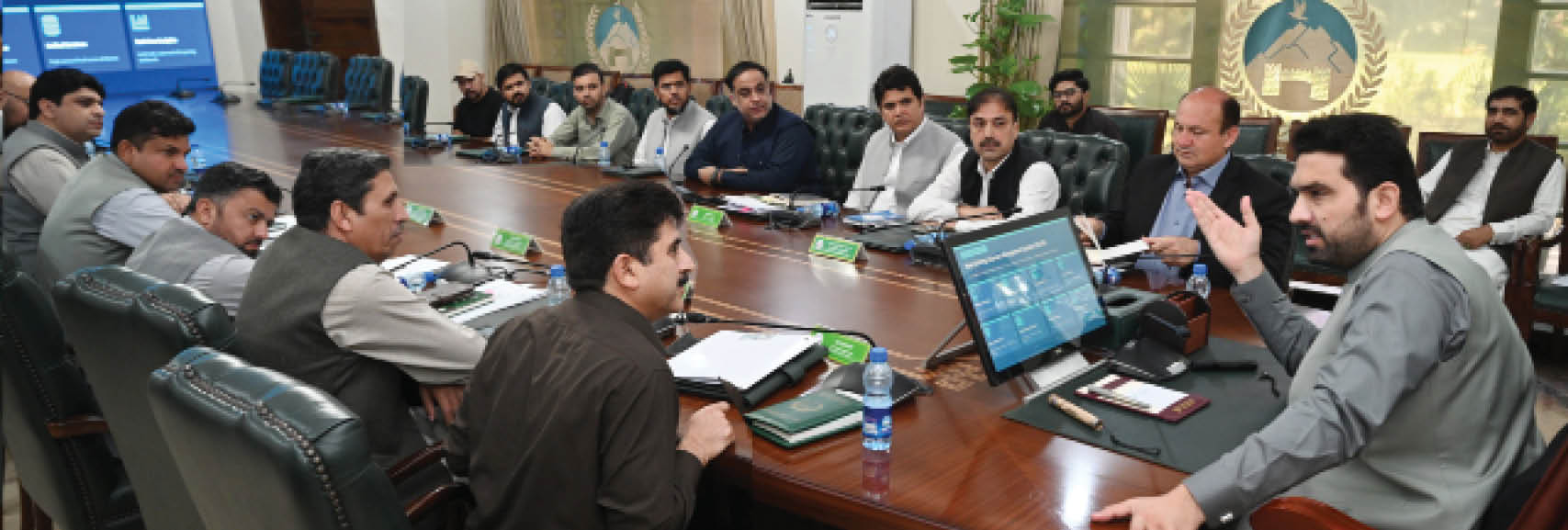
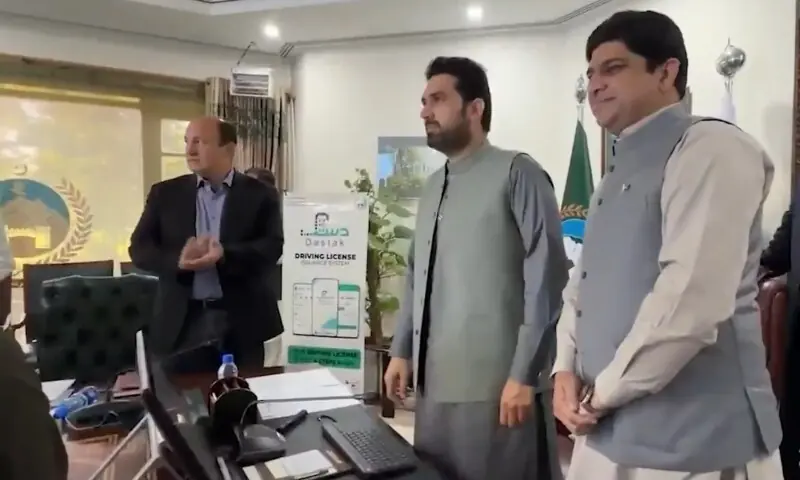
Khyber Pakhtunkhwa (KP) has calibrated its public infrastructure with the launch of a strategic Digital Driving Licence system. Chief Minister Sohail Afridi inaugurated the platform, which marks a precision shift toward structural efficiency and merit-based governance within the Transport Department. Consequently, the provincial administration has eliminated manual bottlenecks by integrating a fully digitized workflow for licence issuance and public facilitation.
Modernizing Mobility: The Digital Driving Licence Infrastructure
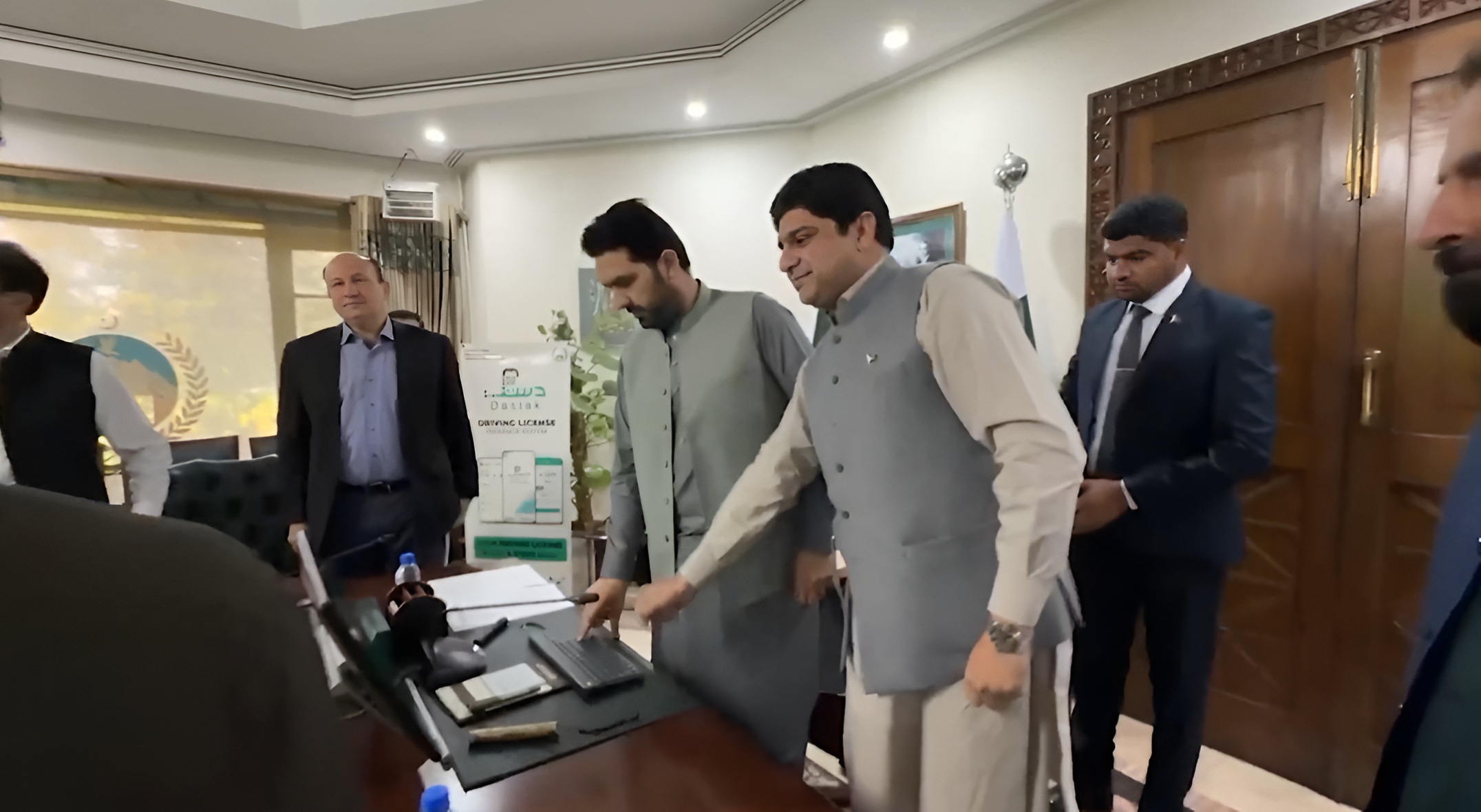
The newly deployed architecture utilizes the Dastak app and a dedicated web portal to streamline user interaction. Specifically, the system incorporates advanced features such as AI-based facial recognition and a centralized database to verify credentials in real-time. Furthermore, the inclusion of online medical certificates and QR code verification ensures that every issued licence meets high-integrity standards. This technological baseline serves as a catalyst for broader e-governance reforms across the province.
Scalability and Revenue Generation
Data from the pilot phase confirms a high adoption rate among citizens. To date, the system has successfully processed 19,966 learner licences and 2,212 permanent licences. These operations have generated approximately Rs. 50 million in revenue for the provincial treasury. This fiscal success demonstrates the system’s ability to combine public service with economic viability. Simultaneously, the government is expanding these digital payment solutions to other sectors to modernize the entire public service delivery pipeline.
The Situation Room Analysis
The Translation (Clear Context)
This initiative represents more than just a software update; it is a structural overhaul of the provincial identity and licensing framework. By moving to a centralized database with AI facial recognition, the government has created a “trustless” system where merit is mathematically guaranteed. The QR code verification allows law enforcement to instantly validate documents, reducing the potential for forgery or administrative corruption.
The Socio-Economic Impact
For the average Pakistani citizen, this development reduces the “opportunity cost” of obtaining a legal licence. Students and professionals can now bypass traditional administrative delays, saving hours of productive time. From an economic standpoint, the transparent collection of Rs. 50 million indicates that digitizing the Digital Driving Licence process reduces revenue leakage, potentially funding future infrastructure projects in KP.
The Forward Path (Opinion)
This development is a definitive Momentum Shift. While many provincial projects provide temporary fixes, the Digital Licence Management System establishes a permanent digital baseline. If the government maintains this trajectory by integrating vehicle registration into the same centralized database, KP could soon boast the most efficient transport ecosystem in South Asia.