
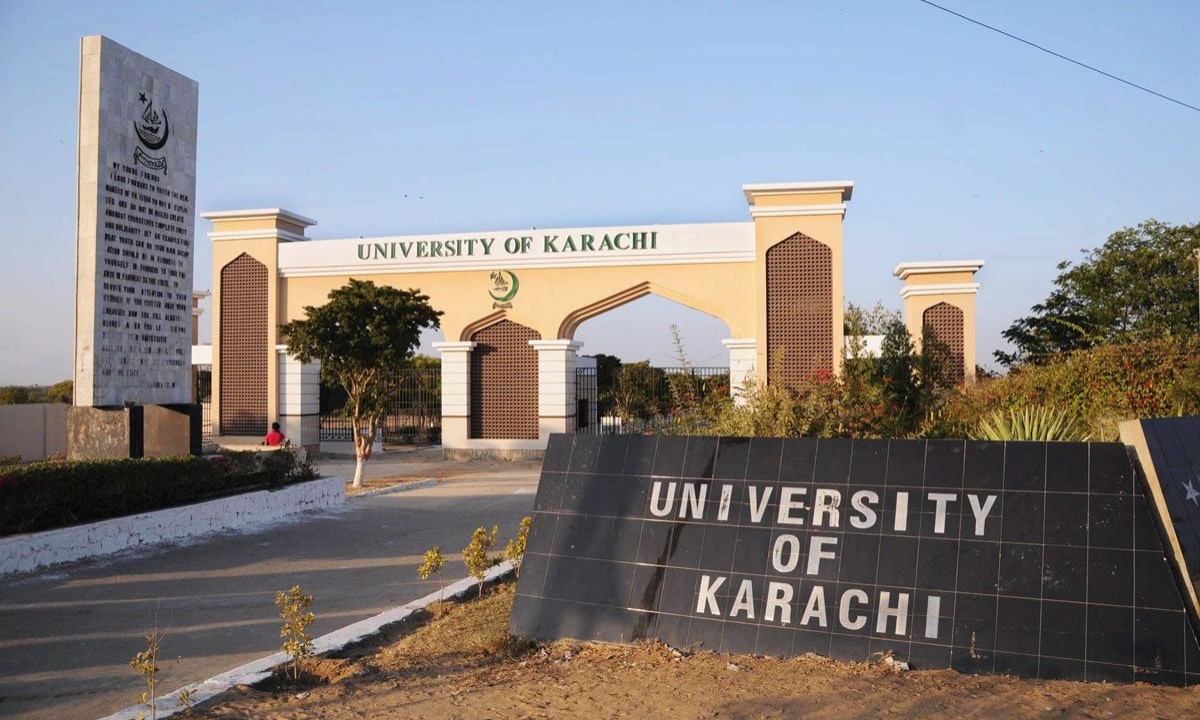
The structural integrity of Sindh’s higher education system faces a critical baseline failure. Currently, the Karachi University crisis has effectively stalled the academic progression of nearly 50,000 students. As the faculty boycott enters its fourth consecutive week, the institution struggles with a calibrated breakdown in administrative efficiency and fiscal management. Consequently, this standoff has halted semester examinations indefinitely, creating a high-pressure environment for the nation’s largest student body.
Navigating the Karachi University Crisis and Faculty Demands
The Karachi University Teachers Society (KUTS) initiated this protest on May 5 to address systemic financial neglect. Specifically, the faculty demands the immediate settlement of unpaid dues for evening classes, paper marking, and exam supervision. Furthermore, the association seeks a transparent investigation into the university’s financial architecture. Because the administration has failed to provide a viable resolution, the teachers refuse to resume duties, maintaining a rigid stance on their structural demands.

Impact on the Academic Pipeline
Students now face significant psychological and logistical challenges due to this prolonged disruption. Many report that the Karachi University crisis has decimated their academic planning and mental well-being. Resultantly, the delay threatens to shorten future semesters or eliminate necessary breaks, further increasing the academic load. Students have expressed frustration over the lack of provincial intervention, questioning why authorities have not optimized the resolution process to protect their educational futures.
The Situation Room Analysis
The Translation: Breaking Down the Deadlock
This conflict represents more than a simple labor dispute; it is a failure of the “University-State fiscal contract.” While the raw data shows unpaid bills, the underlying logic reveals a lack of precision in budget allocation. The unpaid university dues are symptoms of an unsustainable financial model where operational costs outpace the institutional baseline. Consequently, teachers use the examination cycle as a strategic lever to force administrative accountability.
The Socio-Economic Impact
The Karachi University crisis creates a ripple effect throughout the economy. For the Pakistani citizen, this means:
- Labor Market Delays: Thousands of potential graduates cannot enter the workforce, stalling household income generation.
- Mental Health Costs: Prolonged uncertainty acts as a catalyst for anxiety among students, reducing overall academic productivity.
- Credential Devaluation: Continuous disruptions may impact the perceived reliability of degrees from public institutions in the global market.
The Forward Path: Momentum Shift or Stabilization?
We classify this development as a Momentum Shift. The current strike is not merely about maintenance; it is a catalyst for a long-overdue overhaul of public university governance. For Pakistan to progress, the administration must adopt a more strategic, STEM-driven approach to fiscal management. Stabilization will only occur when the provincial authorities implement a calibrated, transparent payment system that prevents such structural collapses in the future.








