
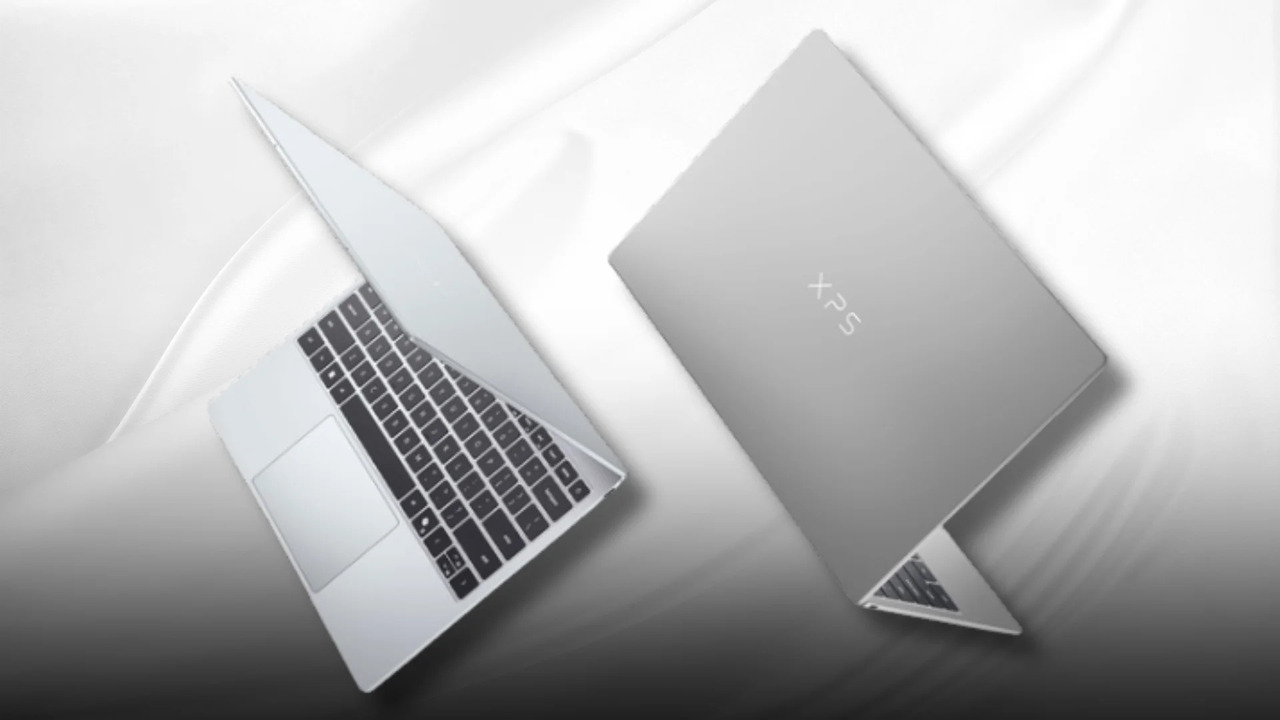
The global computing landscape shifts as Dell recalibrates its hardware strategy, reintroducing the Dell XPS 13 to directly challenge the MacBook Neo’s market dominance. This ultraportable machine represents a strategic pivot toward affordability without sacrificing structural excellence. Weighing only 2.2 pounds with a 12.7mm profile, it establishes a new baseline for Windows portability. Consequently, Dell has engineered a device that is both thinner and lighter than its primary Apple rival.
Strategic Engineering: The Dell XPS 13 Resurgence
Precision manufacturing remains at the core of this revival. The chassis utilizes CNC aluminum, ensuring a rigid yet lightweight frame that survives the rigors of modern professional life. Furthermore, Dell integrated a 2.5K IPS touch display that operates at a 120Hz refresh rate. This technical specification significantly outperforms the 60Hz panel found on the MacBook Neo, providing smoother visual transitions for high-intensity workflows. Additionally, the screen covers 100 percent of the DCI-P3 color gamut, making it a calibrated tool for creative professionals.

Hardware Calibration and Thermal Management
The internal architecture offers a modular approach to performance. The base configuration targets students with an Intel Core Series 3 processor, 8GB of RAM, and 256GB of storage. However, power users can scale the Dell XPS 13 up to Intel Core Ultra Series 3 chips with 32GB of RAM and 1TB of storage. While the MacBook Neo utilizes a passive fanless design, Dell opted for an active dual-fan cooling system. This strategic choice ensures sustained performance during outdoor use or high-ambient temperatures, which is critical for the Pakistani climate.
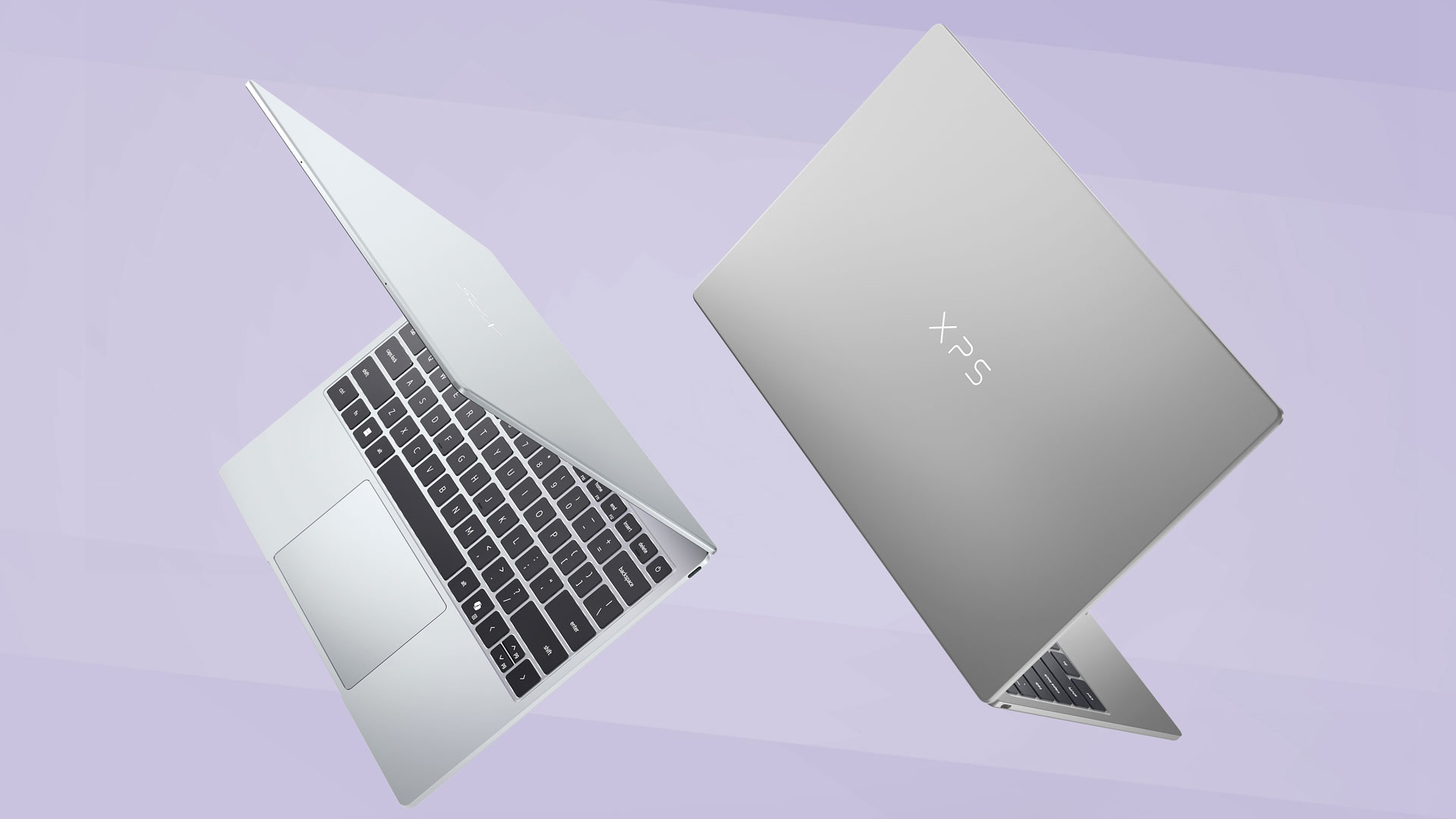
Connectivity standards also see a significant upgrade. The laptop supports Wi-Fi 7, facilitating high-speed data transfer in dense digital environments. Users will find two USB-C 3.2 Gen 2 ports and a webcam featuring Windows Hello integration. Although Dell removed the 3.5mm headphone jack, the inclusion of quad speakers provides a robust native audio solution.
Situation Room: Strategic Analysis
The Translation
Dell is effectively “democratizing” premium hardware. By lowering the entry price to $599 for students, they are translating high-end engineering into an accessible format. The 120Hz screen is the standout feature; it means the interface feels twice as responsive as the MacBook Neo. While “active cooling” sounds louder, it prevents the processor from “throttling” or slowing down when the laptop gets hot, a common issue in fanless designs during intensive tasks.

Socio-Economic Impact
For the Pakistani professional and student population, this development provides a high-tier alternative to the expensive Apple ecosystem. The $100 student discount represents a significant reduction in the barrier to entry for world-class tools. As digital freelancing and remote education expand across Pakistan, access to hardware that supports Wi-Fi 7 and high-color accuracy displays will directly enhance the competitiveness of our local talent in the global market.
The Forward Path
This release represents a Momentum Shift. Dell is no longer content with being the “expensive Windows option.” By undercutting Apple on price while providing superior display technology and thermal management, they are forcing a recalibration of the ultraportable market. This move signals a return to performance-driven value that will likely trigger a competitive response from other manufacturers, benefiting the consumer through better tech at lower price points.








