The global energy transition demands a calibrated approach to structural efficiency. JA Solar and Gold Stone Energy have established a new baseline for silicon cell efficiency, achieving a certified 28.2% conversion rate. This breakthrough, verified by TÜV Rheinland, represents a significant catalyst for the next generation of photovoltaic systems.
Engineering the 28.2% Precision Milestone
This achievement stems from the HBC industrialization project. Engineers successfully integrated a rear-contact electrode structure with advanced passivation technologies. Consequently, the design eliminates front-side metal gridlines, which typically cause optical shading. By moving these connections to the rear, the cell captures more light and improves current collection significantly.
Strategic Industrialization of Next-Gen PV
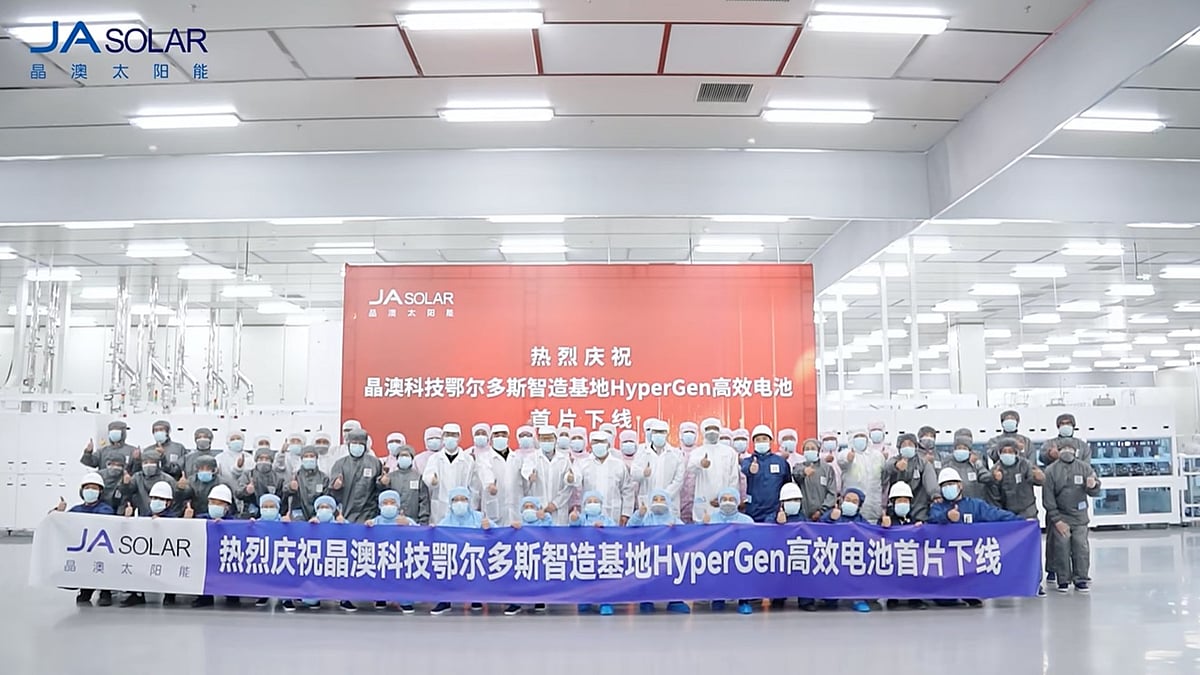
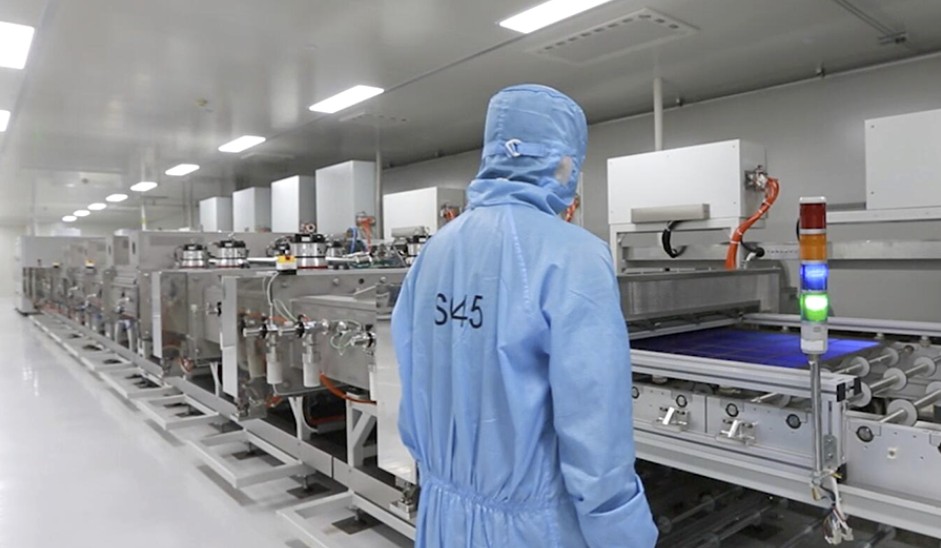
The industry is currently pivoting toward adapting existing manufacturing assets for these high-performance formats. JA Solar and Gold Stone Energy have already initiated a 4 GW HBC upgrade project. Furthermore, Golden Solar New Energy Technology will license the necessary patent technology to facilitate this structural shift across the production line.
Global Competition for Solar Superiority
This record follows a series of breakthroughs from major Chinese PV manufacturers. For instance, Trina Solar recently reported a 28.0% efficiency for its TOPCon-compatible cells. As companies compete for silicon cell efficiency dominance, the cost-per-watt for solar energy continues to decline globally.
The Situation Room Analysis
The Translation
In technical terms, “back-contact” technology removes the “wires” from the front of the solar cell. This allows the entire front surface to absorb sunlight. When combined with “passivation” (a layer that prevents energy loss), the cell operates at a higher precision, converting more sunlight into usable electricity than traditional panels.
The Socio-Economic Impact
For the average Pakistani household or business, this efficiency increase is a game-changer. Higher efficiency means you need fewer panels to generate the same amount of power. Consequently, this reduces the physical footprint on roofs and lowers the initial capital expenditure for solar installations, making energy independence more accessible to the urban middle class and rural industries alike.

The “Forward Path” (Opinion)
This development represents a Momentum Shift. We are moving beyond the era of incremental gains and entering a phase where high-efficiency HBC technology will become the industrial standard. For Pakistan, adopting these calibrated technologies early will be essential to stabilizing the national grid through decentralized power generation.