
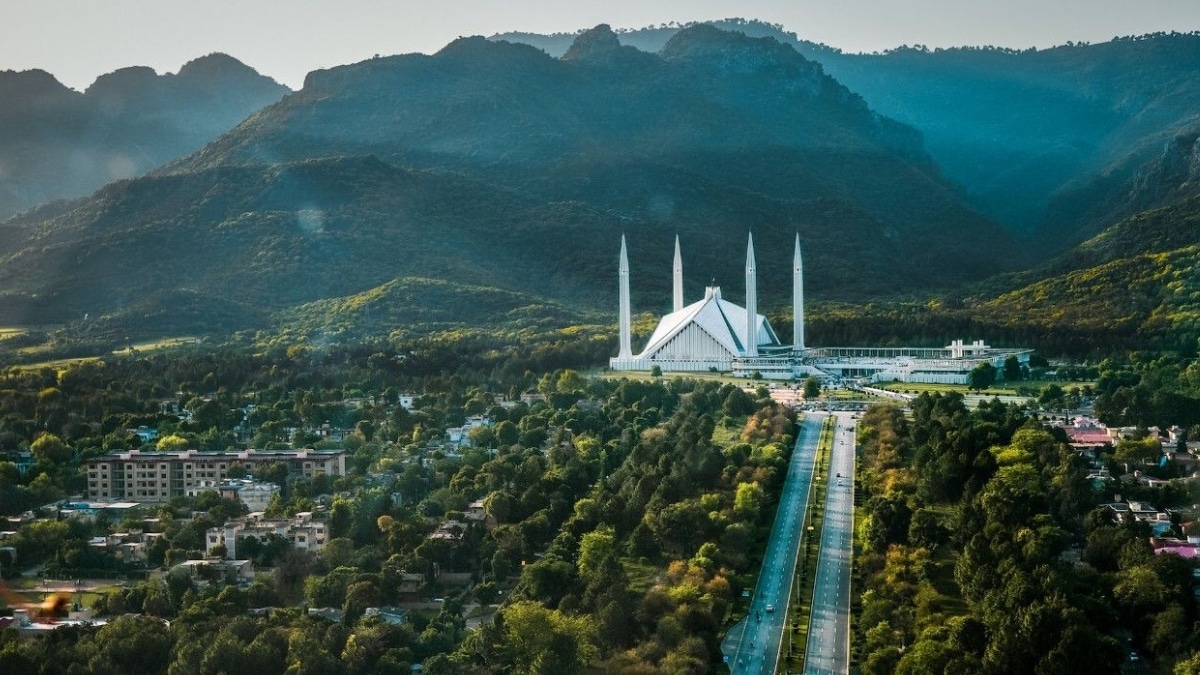
The Federal Government Employees Housing Authority (FGEHA) is calibrating a significant transition for eco-friendly Islamabad sectors, specifically F-14 and F-15. This initiative represents a structural shift from conventional housing to sustainable, precision-engineered residential hubs. Under the strategic direction of Secretary Ministry of Housing and Works, Captain Muhammad Mahmood (Retd), and DG FGEHA, Captain Zafar Iqbal (Retd), the authority aims to integrate modern horticulture with advanced urban infrastructure.
Engineering Sustainable Urban Environments
Precision landscaping and environmental preservation form the core of this developmental baseline. Renowned expert Dr. Pervez Ahsan Khan recently conducted a technical assessment of Sectors F-14 and F-15 to identify catalysts for natural preservation. Consequently, the master plan now prioritizes high-density plantation and the establishment of large-scale nurseries. These facilities will cultivate thousands of plant varieties to ensure ecological diversity across the development.
- Rainwater Conservation: Construction of modern check dams to improve groundwater recharge.
- Strategic Greenery: Establishment of dedicated nurseries for localized plant growth.
- Infrastructure Integration: Collaborative works with the National Logistics Corporation (NLC) to embed green features into the physical layout.

Precision Features of Eco-Friendly Islamabad Sectors
The FGEHA is not merely building houses; they are designing a comprehensive lifestyle ecosystem. The technical team, alongside M/s Osmani & Company (Pvt.) Ltd., has integrated several modern amenities into the master plan. These features aim to enhance the physical and mental well-being of future residents while maintaining a minimal carbon footprint.
- Active transport networks including cycling tracks and pedestrian walkways.
- Architectural landmarks such as suspension bridges and scenic viewpoints.
- Preservation of natural assets, including the specific cave and lake located in Sector F-14.
- Calibrated recreational spaces featuring boating points and regulated seating areas.
The Situation Room: Strategic Analysis
The Translation
The shift toward “eco-friendly” development is often dismissed as aesthetic. However, the use of check dams and indigenous horticulture represents a calibrated engineering response to Islamabad’s falling water table and rising urban heat. By preserving the natural cave and lake in F-14, FGEHA is utilizing existing topography to manage drainage and micro-climates, rather than forcing artificial structures upon the land.
The Socio-Economic Impact
For the average Pakistani citizen, these eco-friendly Islamabad sectors represent a long-term economic catalyst. Sustainable infrastructure reduces utility costs through natural cooling and better water management. Furthermore, the inclusion of recreational facilities and cycling tracks promotes public health, potentially reducing the healthcare burden on urban families. For professionals, these sectors offer a high-tier quality of life that aligns with global modern standards.
The Forward Path
This development is a definitive Momentum Shift. Moving away from the “concrete jungle” model of the early 2000s, FGEHA is setting a new baseline for public sector housing. If executed with the precision outlined in the master plan, Sectors F-14 and F-15 will serve as the prototype for future sustainable urban expansions across Pakistan.








