
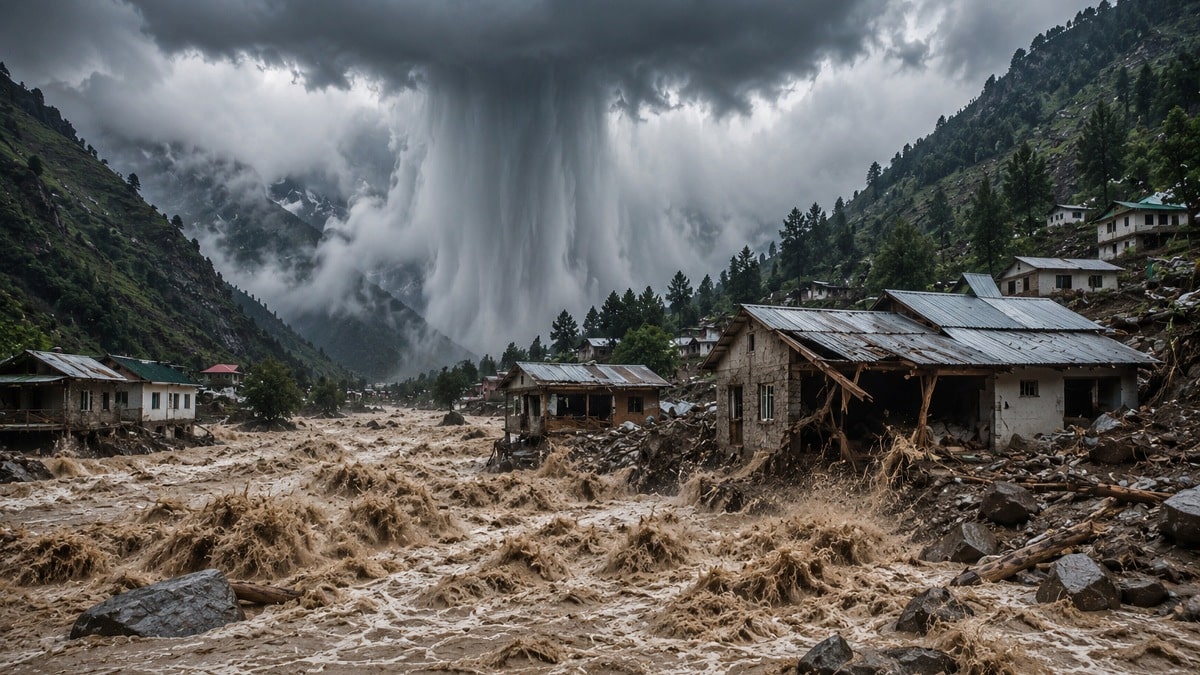
National advancement requires a calibrated approach to information management, especially regarding climate-induced events. A recent Diamer flood fact-check by the Pakistan Meteorological Department (PMD) addresses circulating rumors of a devastating cloudburst in the Gilgit-Baltistan region. While social media platforms broadcasted reports of structural destruction in the Khanberi Valley, the PMD’s strategic analysis confirms that no such extreme weather event occurred. This discrepancy highlights the critical need for baseline verification in our digital communication infrastructure.
Analyzing the Reported Damage and Official Data
Reports initially suggested that a massive cloudburst in Chilas’ Khanberi Valley triggered flash floods. These claims alleged the destruction of dozens of homes, standing crops, and vital link roads. Consequently, the reports stated that remote areas like Manikal, Shahi Mahal, and Bichi Nala were completely cut off. Such reports often act as a catalyst for public anxiety, particularly when they suggest shortages of food and essential supplies.
However, the PMD officially rejected these cloudburst claims after reviewing their calibrated weather sensors. Officials stated that no weather event meeting the technical definition of a cloudburst was recorded in the district. Although northern Pakistan has witnessed rainfall, the specific intensity required for a cloudburst remained absent. Therefore, the authorities urged the public and media organizations to verify all weather-related information through official channels before distribution.
The Translation: Deconstructing Meteorological Terminology
In the context of the Diamer flood fact-check, the distinction between “heavy rain” and a “cloudburst” is a matter of technical precision. A cloudburst involves a sudden, aggressive rainfall exceeding 100mm per hour within a small geographical area. While the Khanberi Valley may have experienced significant seasonal precipitation, it did not meet this specific baseline. Using the term “cloudburst” inaccurately can lead to misallocated emergency resources and structural panic in the administrative system.
The Socio-Economic Impact: Informational Resilience
For the average Pakistani citizen, misinformation regarding natural disasters disrupts the economic equilibrium of the region. When road blockages are falsely reported, transport costs for essential goods often spike due to perceived risk. Furthermore, students and professionals in Gilgit-Baltistan face unnecessary stress when remote areas are rumored to be isolated. Strategic reliance on the PMD ensures that relief operations remain focused on actual high-need zones rather than responding to social media anomalies.
The Forward Path: Achieving Data-Driven Stability
This development represents a Stabilization Move. While the absence of a disaster is positive news, the incident reveals a vulnerability in our national information hygiene. To progress toward a high-efficiency system, Pakistan must integrate real-time meteorological data more deeply into public social feeds. We must prioritize precision over speed in reporting. By treating data as a structural asset, we can protect the socio-economic interests of the Northern districts against the volatility of unverified claims.








