
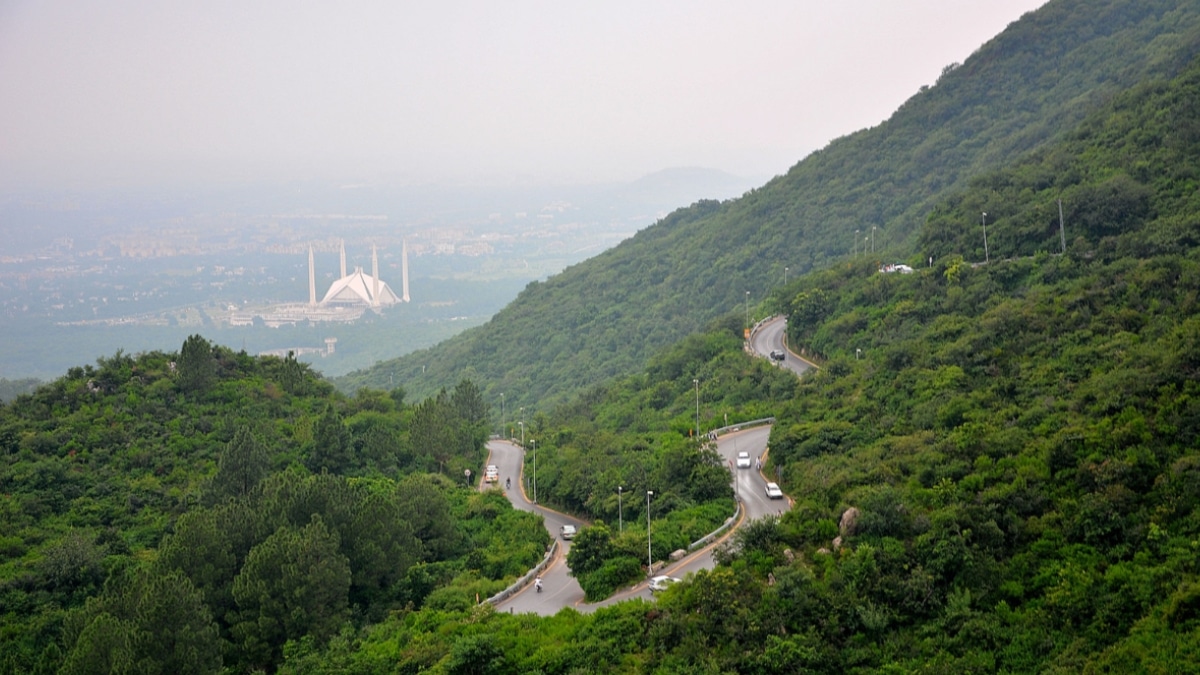
The Federal Constitutional Court (FCC) recently calibrated Pakistan’s legal landscape by overturning a 2024 Supreme Court judgment regarding Margalla Hills restaurants. This structural shift effectively halts the planned demolition of iconic venues like La Montana and Monal within the Margalla Hills National Park (MHNP). Consequently, these establishments now prepare for a strategic return to operations, pending final ownership resolutions in trial courts. This decision acts as a catalyst for Islamabad’s hospitality sector, balancing ecological preservation with established commercial infrastructure.
The Translation: Decoding the FCC Ruling
The FCC clarified that administrative oversight and ownership rights must remain distinct from ecological observations. While the initial 2024 ruling focused on biodiversity impact, Justice Syed Hasan Azhar Rizvi emphasized that legal decisions must adhere to strict procedural frameworks rather than emotional narratives. Essentially, the court decoupled the environmental findings from the immediate demolition order. This precision allows regulatory bodies to handle administrative compliance while trial courts determine land ownership independently. This legal clarity ensures that due process governs the future of these landmarks.
Socio-Economic Impact: Hospitality and Employment
For the Pakistani citizen, this development represents a stabilization move for the local economy. The reopening of Margalla Hills restaurants revitalizes hundreds of jobs in the service sector that were previously at risk. For residents of Islamabad and tourists, it restores access to the city’s primary aesthetic and recreational hubs. Furthermore, the decision provides a predictable baseline for future investments in the capital. It signals that long-standing commercial entities can find legal recourse, provided they align with updated regulatory standards. This structural certainty is vital for urban economic health.
The Forward Path: A Momentum Shift
This ruling constitutes a Momentum Shift toward a more balanced “Green Growth” model. This development provides a vital opportunity to modernize ecological management without destroying established infrastructure. The challenge now lies in how the Capital Development Authority (CDA) integrates these Margalla Hills restaurants into a more sustainable, precision-monitored environmental framework. Maintaining the biodiversity of the Margalla Hills remains a priority; however, this legal victory allows for a strategic partnership between the state and the hospitality industry to coexist efficiently.








