

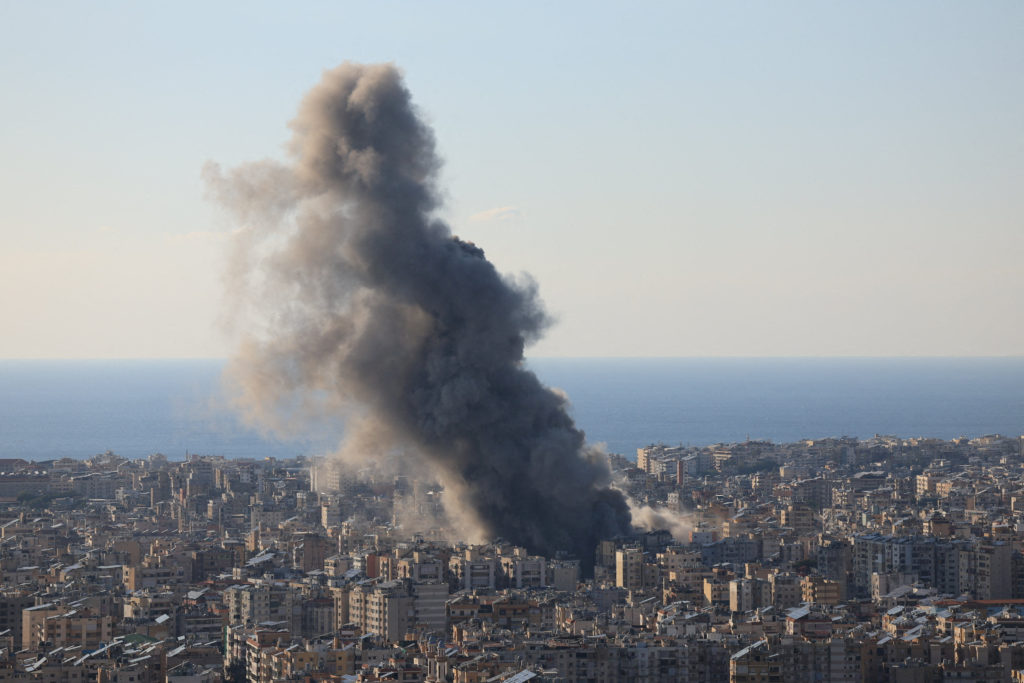
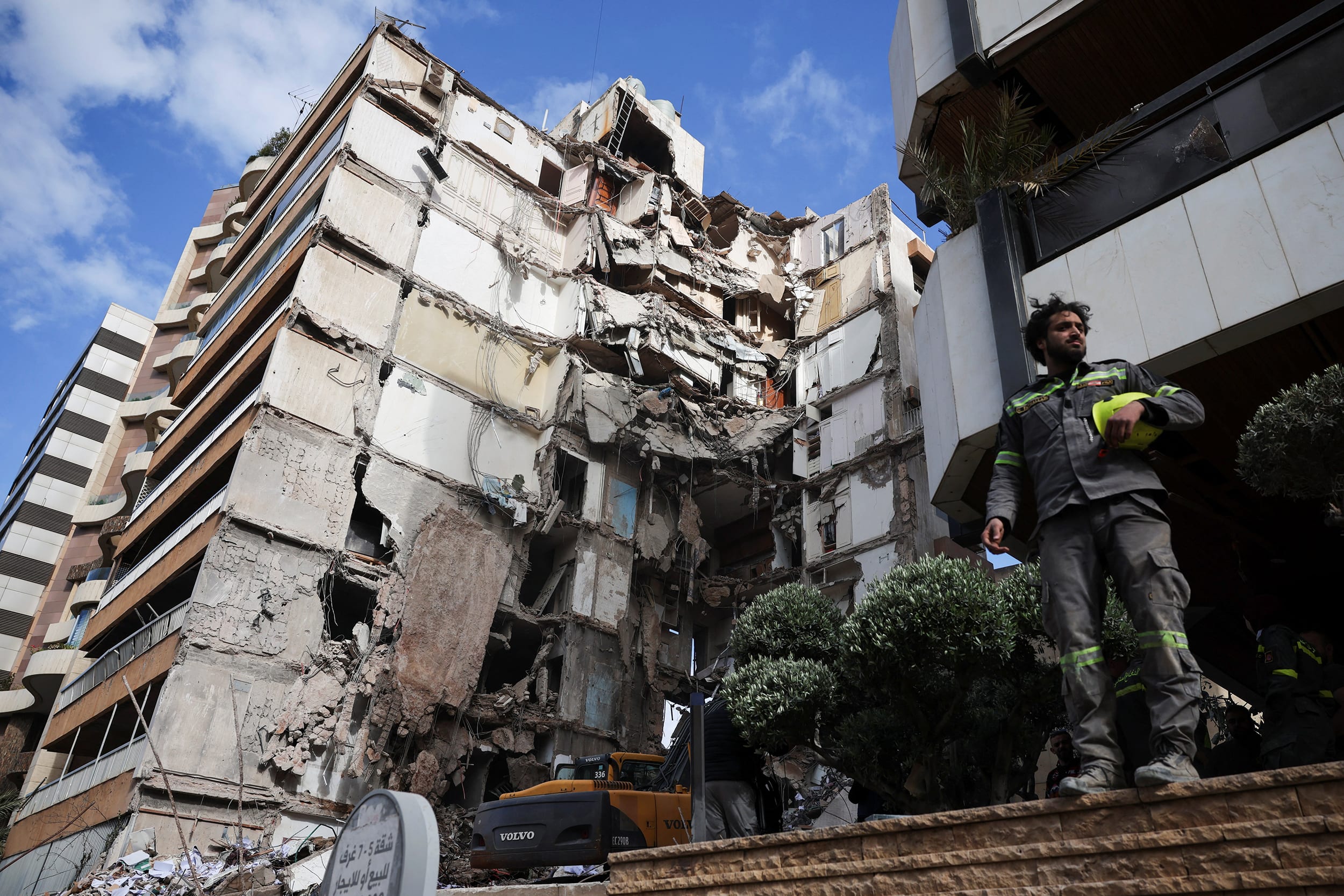
Regional stability faces a significant structural threat as Iran formally suspends indirect communications with the United States. This decision follows a calibrated resumption of military bombing in Lebanon by American and Israeli forces, which has effectively derailed ongoing diplomatic efforts. Consequently, Tehran is now preparing to intensify its maritime blockade across the Strait of Hormuz, signaling a potential global trade crisis that could disrupt primary energy corridors. This strategic pivot highlights a systemic breakdown in the fragile ceasefire negotiations that previously sought to stabilize the Levant.
Evaluating the Risk of a Global Trade Crisis
Tehran has now linked any future diplomatic engagement to the immediate cessation of military operations in both Lebanon and Gaza. Furthermore, the Iranian Foreign Ministry demands a full withdrawal from contested territories in southern Lebanon as a baseline for discussion. Foreign Minister Abbas Araghchi emphasized that any ceasefire agreement must apply across all aspects of the ongoing war, refusing to accept fragmented solutions. This uncompromising stance suggests a precision-guided strategy to leverage Iran’s control over vital shipping lanes to force a diplomatic outcome.
The Strait of Hormuz and the Bab el-Mandeb Strait remain the world’s most strategically important maritime corridors. Currently, Iranian officials are considering additional restrictions on shipping through these waterways to exert economic pressure. Because these straits serve as the primary conduit for global oil supplies, any prolonged disruption would catalyze a global trade crisis. Industry experts warn that the precision of these tactical moves could lead to a sharp increase in freight insurance costs and international energy prices.

Military Resumption and Diplomatic Friction
Despite international efforts to preserve peace, the White House has yet to issue a formal response to Tehran’s latest escalation. In contrast, the US and Israeli military forces have continued their targeted operations, claiming these actions are necessary for regional security. This friction creates a volatile environment for global markets. Strategic analysts suggest that the lack of open communication channels between Washington and Tehran increases the risk of unintended military escalation in the region.
The Situation Room Analysis
The Translation
In “Next Gen” clarity, “suspending indirect communications” means the back-channel diplomats who prevent accidental wars have stopped talking. Iran is moving from a posture of defensive diplomacy to “Asymmetric Economic Warfare.” By targeting the Strait of Hormuz, they aren’t just fighting a local war; they are using a calibrated chokehold on the world’s energy supply to gain leverage at the negotiating table.
The Socio-Economic Impact
For the average Pakistani citizen, this development is a catalyst for economic concern. A global trade crisis in the Strait of Hormuz directly translates to higher fuel prices at local pumps and increased costs for imported goods. Pakistan’s energy security is deeply tied to these shipping lanes. Consequently, professionals and households should prepare for a period of high inflation as supply chains adjust to the geopolitical volatility.

The Forward Path
This development represents a Momentum Shift toward high-intensity regional friction. This is not a stabilization move; it is a calculated escalation designed to rewrite the rules of engagement. Unless a third-party mediator intervenes to restore the baseline for peace talks, the global economy remains at the mercy of this geopolitical stalemate.








