The Ministry of Electronics and Information Technology (MeitY) has triggered a temporary India Telegram Ban to safeguard the structural integrity of the NEET (UG) 2026 re-examination. This calibrated intervention follows a strategic recommendation from the National Testing Agency (NTA). Consequently, the government has restricted platform access until June 22, 2026, targeting the critical window surrounding national medical entrance assessments.
Structural Rationale Behind the India Telegram Ban
Authorities invoked Section 69A of the Information Technology Act, 2000, to execute this baseline security measure. Furthermore, the directive extends beyond access restriction. Telegram must disable its message-editing feature nationwide until June 30, 2026. The NTA identified this specific feature as a primary catalyst for fraud, where bad actors fabricated “after-the-event” evidence of paper leaks to destabilize public trust.
Dismantling Organized Cheating Ecosystems
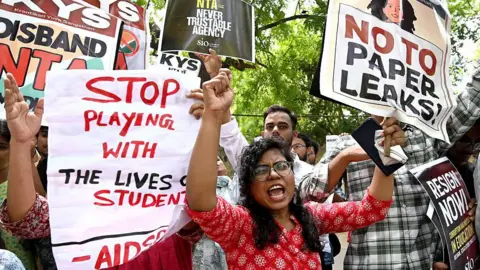
Precise monitoring by the NTA revealed several organized groups operating under aliases like “Private Mafia” and “PAPER LEAKED NEET.” These entities demanded financial transactions from families in exchange for fraudulent examination materials. However, the agency confirmed that the secured examination chain remains uncompromised. This enforcement serves as a strategic deterrent against the digital distribution of misinformation.

The Situation Room: Strategic Analysis
The Translation
In technical terms, the government is treating the India Telegram Ban as a surgical shutdown. By disabling the “edit” function, they eliminate the ability for fraudsters to retroactively change timestamps or content to make it appear as though they possessed papers before the exam started. This is not just a block; it is a forced modification of the platform’s architectural utility to prevent psychological warfare against students.

The Socio-Economic Impact
This development creates a dual-layered impact. On one side, it protects the meritocratic baseline for millions of medical aspirants. On the other, the Internet Freedom Foundation (IFF) notes that thousands of students rely on Telegram for legitimate study groups and resource sharing. Consequently, the temporary loss of this digital utility forces a sudden migration to less efficient or less secure alternative communication channels.
The “Forward Path” (Opinion)
This move represents a Stabilization Move. While the India Telegram Ban effectively neutralizes immediate distribution threats, it serves as a “band-aid” rather than a permanent structural fix for systemic exam leaks. True progress requires a transition to blockchain-verified paper delivery or more robust physical logistics. This restriction is a necessary holding pattern to maintain order during a high-stakes national event.

Advocacy and Transparency Concerns
The Internet Freedom Foundation has raised significant objections, labeling the platform-wide restriction as disproportionate. They argue that Section 69A should target specific information rather than shutting down an entire intermediary. Specifically, the IFF demands the public release of the MeitY order to ensure the decision can be calibrated against constitutional standards of proportionality and transparency.