
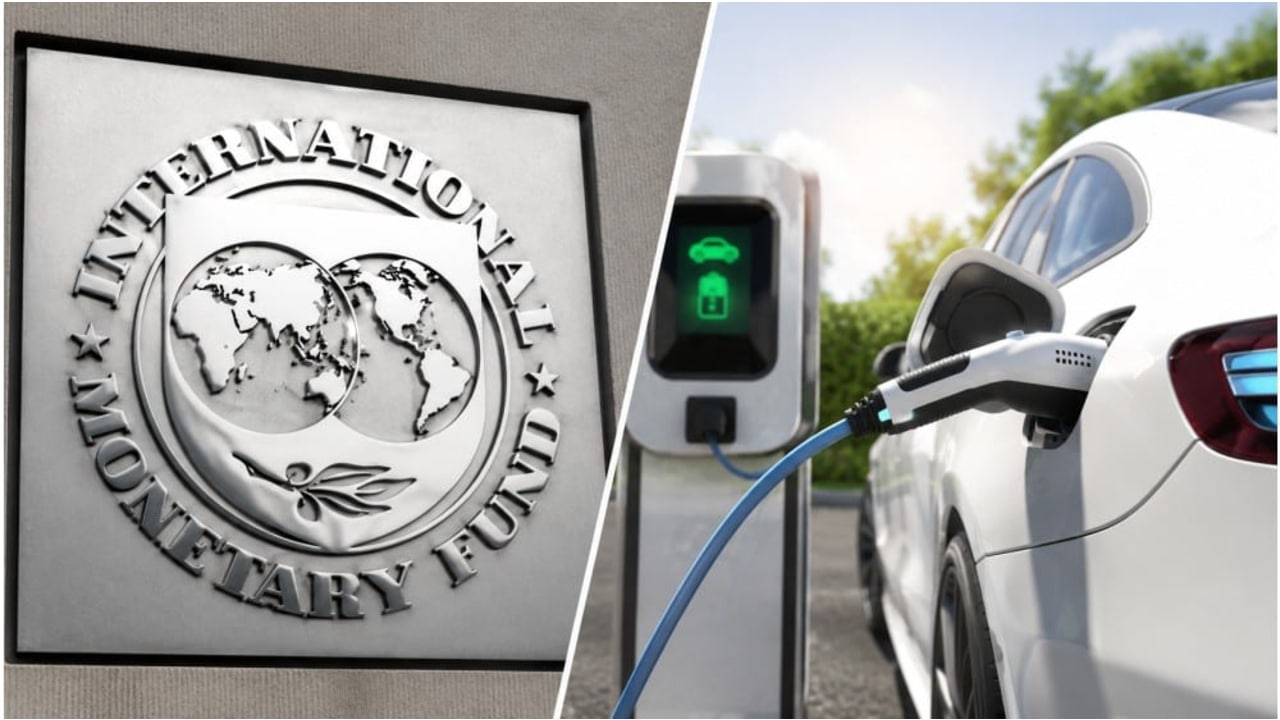
The International Monetary Fund (IMF) has recently recalibrated Pakistan’s fiscal roadmap by rejecting a proposed 1% Electric Vehicle Tax rate. This structural disagreement stalls the finalization of the Auto Policy 2026-31, as the IMF advocates for a standard 18% sales tax across all sectors. Consequently, the government faces a critical deadline to reconcile its green energy ambitions with rigid international fiscal mandates before the current policy expires on June 30.
The Structural Conflict in Pakistan’s Electric Vehicle Tax Strategy
The Ministry of Industries initially designed a precision-based incentive package to catalyze the adoption of new energy vehicles. This plan featured a 1% sales tax for locally assembled units and minimal customs duties on EV-specific components for a three-year period. However, the IMF maintains a baseline requirement for tax uniformity. They argue that any environmental incentives should function as direct subsidies rather than through the manipulation of the standard 18% General Sales Tax (GST).
Calibration of the Auto Policy 2026-31
Inter-ministerial friction between the Ministry of Commerce and the Ministry of Industries further complicates this policy rollout. While the current draft targets an ambitious 85% domestic value addition for two and three-wheelers by 2030, the lack of a stabilized Electric Vehicle Tax framework creates investor uncertainty. Strategic levies on internal combustion engine vehicles remain on the table to drive this transition, yet the fiscal baseline remains in flux.
- Proposed Incentive: 1% Sales Tax on locally assembled EVs for five years.
- IMF Stance: Mandatory 18% standard GST across all vehicle categories.
- Target: 85% localization of electric bikes and rickshaws by 2030.
- Deadline: Integration into the Finance Bill 2026-27 by next week.
The Situation Room: Analyzing the Fiscal Disconnect
The Translation (Clear Context)
The logic here represents a clash between “Targeted Industrial Growth” and “Revenue Stabilization.” Pakistan wants to use the tax code as a precision tool to lower the entry barrier for green tech. Conversely, the IMF views reduced tax rates as “leakages” that complicate tax administration. By demanding direct subsidies instead of tax breaks, the IMF is forcing the government to account for the cost of the EV transition as a transparent expenditure rather than a hidden revenue loss.
The Socio-Economic Impact
For the average Pakistani citizen, this fiscal friction translates directly to the “Total Cost of Ownership” for modern transport. If the 18% GST remains, the upfront cost of electric motorcycles and cars will stay significantly higher than traditional petrol alternatives. For urban households struggling with fuel inflation, this delay in the Electric Vehicle Tax relief postpones their transition to cheaper, electricity-based commuting, effectively maintaining the high-cost baseline of daily life.
The Forward Path (Opinion)
This development represents a Stabilization Move rather than a momentum shift. While the government’s intent to lower the Electric Vehicle Tax is a visionary catalyst for progress, the IMF’s rejection enforces a disciplined, if rigid, fiscal uniformity. To regain momentum, the state must pivot from tax-based incentives to a robust, direct-subsidy mechanism that survives IMF scrutiny without compromising the accessibility of green technology for the masses.








