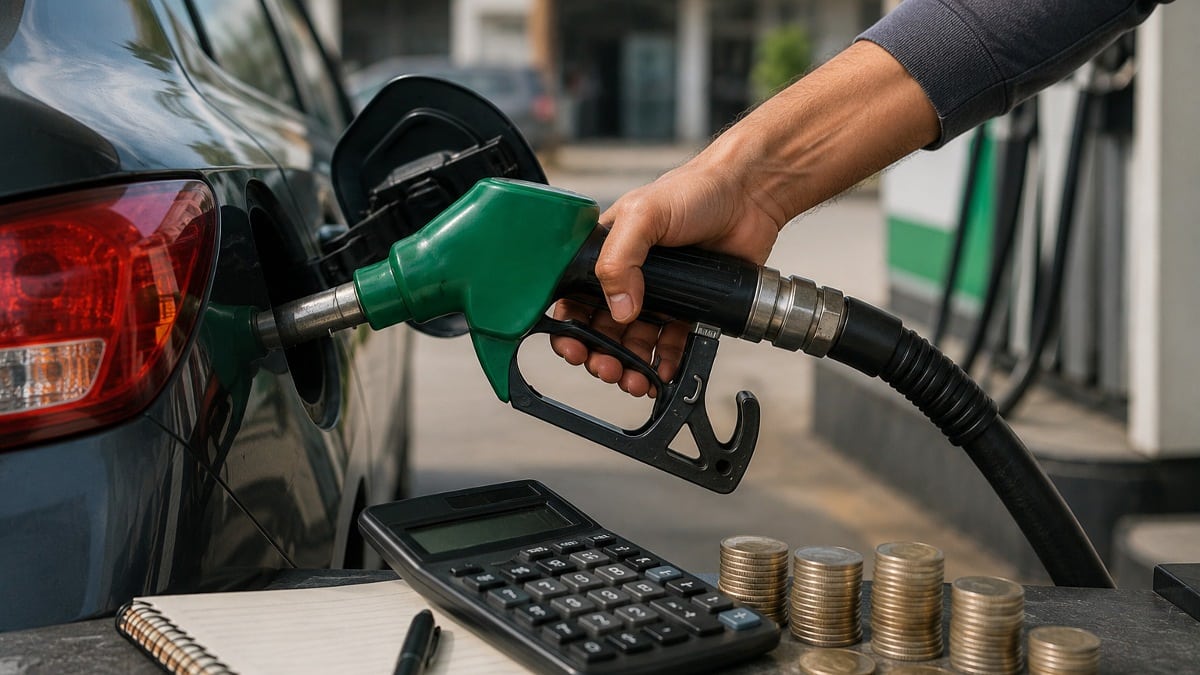
Energy costs represent the fundamental baseline for any developing economy’s logistical efficiency. Recently, the federal government initiated a strategic petrol price cut, reducing the per-litre cost by Rs. 74. This calibrated move lowers the price from Rs. 373 to Rs. 299 per litre. Consequently, this shift provides a necessary catalyst for increased household liquidity and reduced transport overheads across the nation.
The Situation Room: Structural Breakdown
The Translation
The government is essentially re-aligning domestic energy prices with a stabilizing global market. By slashing petrol by Rs. 74 and diesel by Rs. 67, the state is attempting to lower the operational “entry cost” for daily commerce. For the average citizen, this isn’t just a price drop; it is a recalibration of their monthly disposable income. Specifically, every 10 litres of fuel now costs Rs. 740 less, directly impacting the velocity of personal spending.

Calibrated Savings for Motorcycle Owners
Motorcycles function as the primary mobility engine for Pakistan’s workforce. Therefore, even minor fluctuations in fuel costs create significant ripples in the gig economy and student commutes. Notably, the petrol price cut allows bike owners to save between Rs. 600 and Rs. 1,000 on every full tank.
- Honda CD 70: Owners now save Rs. 629 per refill.
- Yamaha YBR 125: Precise savings reach Rs. 962 per full tank.
- Suzuki GSX 125: The maximum beneficiary in this class, saving Rs. 1,036.
Strategic refilling now costs significantly less. For a delivery rider refilling four times a month, this equates to nearly Rs. 4,000 in monthly operational savings.
Precision Metrics for Passenger Vehicles
Passenger vehicles possess larger fuel reservoirs, making the aggregate savings more pronounced for families and corporate fleets. The following data highlights the new economic baseline for popular car models:

| Vehicle Model | Capacity (L) | New Full Tank Cost | Total Savings |
|---|---|---|---|
| Suzuki Alto | 27 | Rs. 8,073 | Rs. 1,998 |
| Toyota Corolla | 55 | Rs. 16,445 | Rs. 4,070 |
| Kia Sportage | 62 | Rs. 18,538 | Rs. 4,588 |
The Socio-Economic Impact
How does this change the daily life of a Pakistani citizen? For the urban professional, it reduces the “friction cost” of commuting. For rural farmers using diesel engines, the Rs. 67 reduction per litre lowers the baseline cost of food production. Moreover, this price drop exerts downward pressure on the Consumer Price Index (CPI), potentially stabilizing the prices of essential commodities that rely on logistics.
The Forward Path: Momentum Shift or Stabilization?
This development represents a Momentum Shift. While global oil prices remain volatile, the scale of this reduction (nearly 20%) indicates a deliberate effort to stimulate the domestic economy. However, for long-term progress, the state must pair these cuts with structural reforms in public transport to reduce the national reliance on imported petroleum products.