

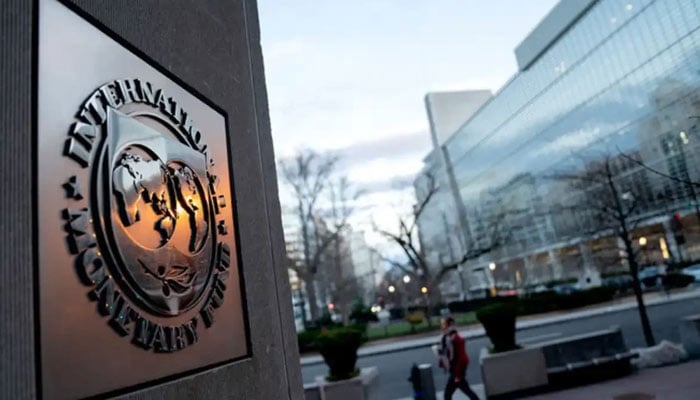
The International Monetary Fund (IMF) has officially calibrated its focus on Pakistan’s financial integrity, highlighting a critical need to strengthen real estate AML controls. This directive emerged following the approval of a $1.1 billion tranche under the Extended Fund Facility. Consequently, the government must now prioritize anti-money laundering measures to eliminate the circulation of undocumented funds within the property market.
Strategic Alignment with International Standards
Lenders expressed specific concerns regarding the low frequency of suspicious transaction reports (STRs) generated by non-financial professions. Specifically, the real estate sector remains a primary area where authorities suspect substantial volumes of illicit capital reside. To address this, Pakistan is currently updating its National Risk Assessment in coordination with the National AML/CFT Authority.
The government has also pledged to improve the precision of beneficial ownership disclosures within the corporate registry. By refining these records, the Securities and Exchange Commission of Pakistan (SECP) aims to prevent legal entities from concealing the identities of true owners. Furthermore, this systemic upgrade serves as a catalyst for broader financial transparency across all trade sectors.
The Translation (Clear Context)
In simple terms, “low suspicious transaction reporting” means that high-value property deals are often occurring without proper oversight. The IMF’s focus on real estate AML is an effort to ensure that every major transaction is traceable. By tracking “beneficial ownership,” the state ensures that the person actually profiting from a business or property is known to the regulators, leaving no room for “ghost” investors or hidden wealth.
Socio-Economic Impact
How does this structural shift affect the average Pakistani citizen?
- For Homebuyers: Increased documentation will likely stabilize property prices by reducing the influx of speculative, undocumented capital.
- For Professionals: Real estate agents and developers will face stricter reporting requirements, demanding a higher standard of professional ethics and record-keeping.
- For the Economy: Improved AML compliance improves Pakistan’s global financial standing, potentially lowering the cost of international borrowing and attracting foreign direct investment.
Banking Sector Resilience and Monitoring
Beyond the property market, the IMF reviewed the structural health of the banking sector. Data indicates that the ratio of non-performing loans fell to 6.1 percent by late 2025. This reduction signals a stabilizing baseline for commercial lenders. Additionally, the State Bank of Pakistan has successfully overseen the recapitalization of a previously undercapitalized private bank, ensuring full regulatory compliance.
The Forward Path (Opinion)
This development represents a Momentum Shift for Pakistan’s economic architecture. While the pressure from the IMF is significant, the move toward documented real estate transactions is a necessary catalyst for national advancement. Moving away from a “cash-and-carry” property culture toward a precision-based, regulated system will eventually yield a more equitable and efficient financial landscape.








