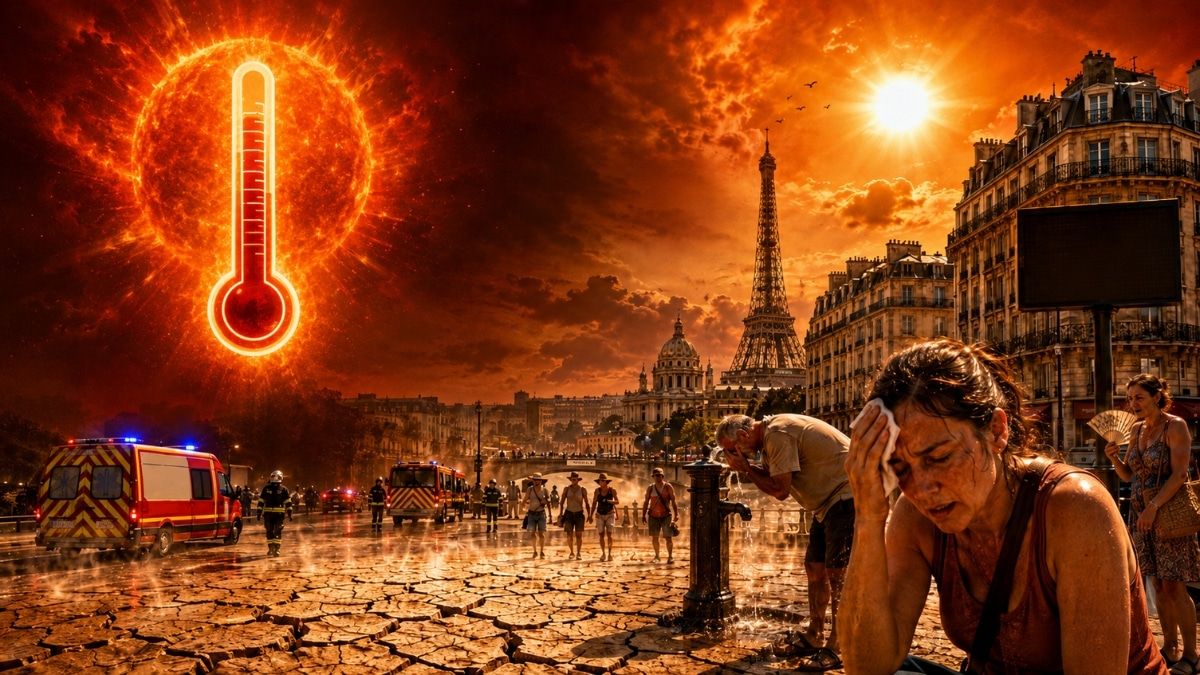
Global thermal patterns are shifting with calibrated intensity, manifesting as a structural crisis for public health systems across the West. Recent data from the World Health Organization indicates that European heatwave records are no longer mere anomalies but indicators of a baseline shift in climate stability. Consequently, the head of the WHO confirmed that severe early-summer temperatures have triggered more than 1,300 excess deaths since late June.
Thermal Anomalies and the Mortality Matrix
Director-General Tedros Adhanom Ghebreyesus identified extreme heat as a “silent killer” that bypasses traditional emergency defenses. Specifically, France recorded approximately 1,000 excess deaths within a single week, with 40% of these fatalities occurring within private residences. Furthermore, Germany, Poland, and the Czech Republic all recalibrated their national European heatwave records as temperatures peaked above 41°C. This suggests that the current rate of warming is outpacing the adaptive capacity of existing urban infrastructure.

The Infrastructure Deficit and Power Grid Strain
Modern energy networks are facing unprecedented pressure as demand for mechanical cooling systems surges across central Europe. In addition, many schools and workplaces were never designed to withstand prolonged exposure to temperatures exceeding 40°C. Consequently, the WHO warns that Europe is warming at twice the global average, transforming rare weather events into annual systemic threats. Governments must now integrate heat-health action plans to mitigate this escalating public health risk.
The Situation Room Analysis
The Translation (Clear Context)
The term “excess deaths” serves as a precision metric rather than a direct clinical diagnosis of heatstroke. It measures the statistical deviation between expected mortality and actual deaths during a specific period. This logic reveals how extreme heat acts as a catalyst for underlying conditions, causing systems—both biological and mechanical—to fail under sustained thermal stress.
The Socio-Economic Impact
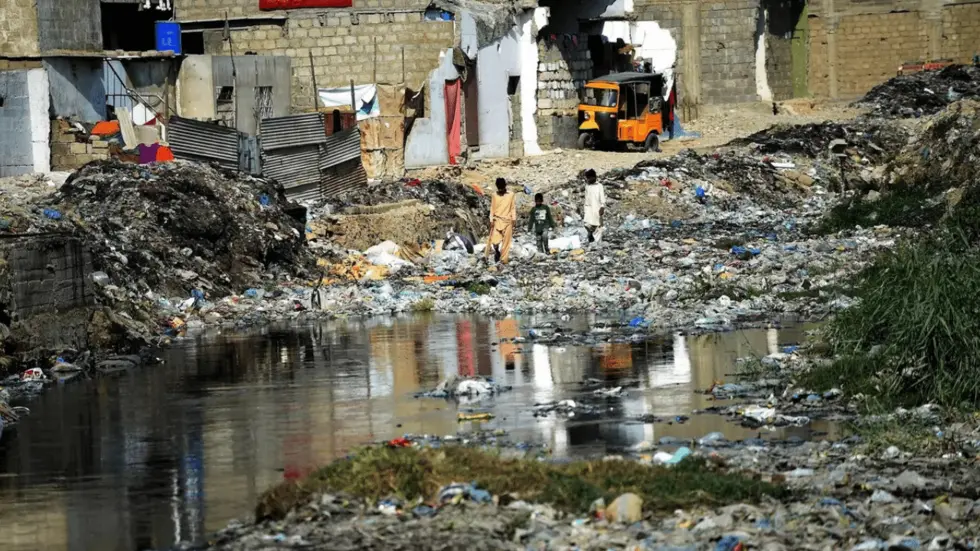
This development fundamentally alters the daily life of citizens by exposing the “cooling divide.” In Pakistan, where urban heat islands are already a baseline reality, the European failure serves as a warning for our own architectural planning. Increased energy costs and the potential for grid collapse directly threaten the productivity of students and professionals, while vulnerable elderly populations remain at high risk in poorly insulated housing.
The Forward Path (Opinion)
This event represents a Momentum Shift in the global climate crisis. We are no longer observing temporary weather fluctuations; we are witnessing the structural failure of 20th-century urban design against 21st-century thermal realities. Constructive progress requires a precision-led overhaul of building codes and the establishment of decentralized cooling centers to maintain systemic stability.