
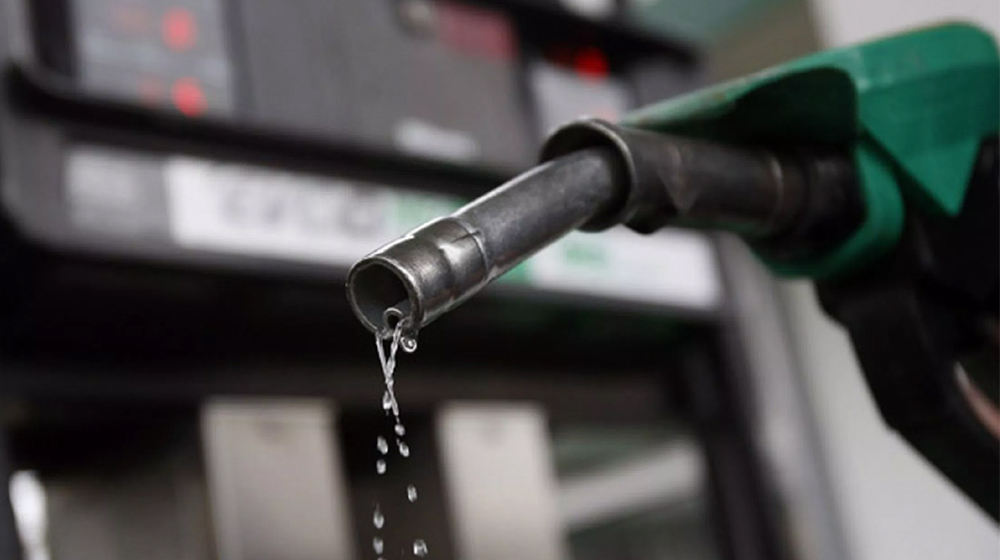
A balanced energy ecosystem requires a calibrated approach to pricing and supply chain integrity to ensure national progress. The government’s recent petrol price cut has triggered an estimated Rs. 105 billion loss for Pakistan’s oil marketing companies (OMCs) and refineries. This structural shift highlights a growing friction between immediate consumer relief and the long-term stability of the nation’s energy infrastructure. Industry leaders now warn that these unilateral interventions could jeopardize the very companies responsible for maintaining the country’s fuel security.
The Fiscal Weight of the Recent Petrol Price Cut
The oil industry strongly protested the record 18 to 20 percent reduction in petroleum prices announced by the Prime Minister last week. Officials describe the move as inconsistent with established pricing mechanisms. This decision has caused significant financial distress, with Pakistan State Oil (PSO) alone expecting a loss of approximately Rs. 50 billion. Furthermore, the Pak-Arab Refinery Company (PARCO) faces a hit of Rs. 25 billion, while other industry players share the remaining Rs. 30 billion burden.
Industry executives pointed out that the federal cabinet approved different pricing methods four times in less than 90 days. The government initially utilized a 15-day average when prices rose but shifted to a weekly average as costs fluctuated. Consequently, the constant alteration of the petrol price cut formula has eroded the working capital and liquidity of the downstream petroleum sector.
The Situation Room: Strategic Analysis
The Translation (Clear Context)
In technical terms, the government moved from “product import pricing” to “crude-based pricing” and used three-month average premiums instead of current benchmarks. Essentially, the government changed the rules of the game while the game was in progress. While a standard formula would have reduced diesel prices by Rs. 30 per litre, the government enforced a much steeper reduction of Rs. 81 per litre. This bypasses market-driven logic in favor of administrative mandates.
The Socio-Economic Impact
This development affects every Pakistani citizen by creating a “supply chain risk.” If refineries and OMCs face bankruptcy or insolvency, the strategic petroleum inventory—the fuel we keep in reserve for emergencies—could vanish. While students and professionals enjoy lower costs at the pump today, the long-term consequence could be fuel shortages or a total collapse of the distribution network, which would stall the entire economy.
The Forward Path (Opinion)
This move represents a Stabilization Move focused on short-term political and social cooling, rather than a “Momentum Shift” toward progress. To achieve true system efficiency, the government must prioritize regulatory consistency. Arbitrary interventions discourage foreign investment in storage and logistics. We recommend a return to a transparent, formula-based pricing model that protects both the consumer and the catalyst of our energy sector: the oil industry.
Industry Resistance and Investor Confidence
The Oil Companies Advisory Council (OCAC) has formally protested, seeking an urgent meeting with government leadership. They argue that these unilateral decisions ignore the shared sacrifices made by refineries, such as capping margins and supporting the national effort during high-risk periods. Without a predictable policy environment, Pakistan risks losing the very investors who build the resilience of our supply chain.
- Inventory Erosion: Value loss across 505,000 tonnes of petrol.
- Liquidity Crisis: Massive hits to working capital and shareholder value.
- Policy Instability: Growing uncertainty threatens future storage and retail development.








