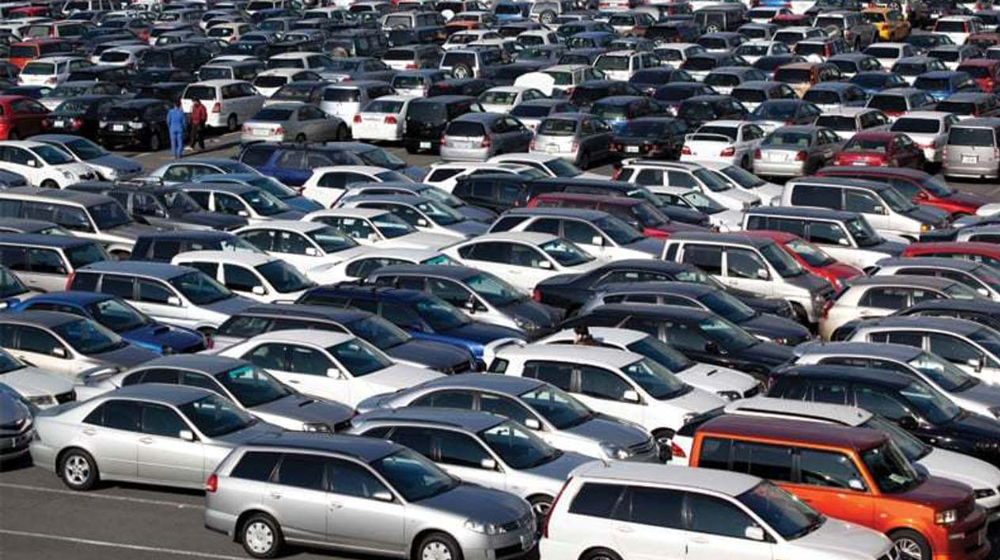
Structural efficiency in Pakistan’s logistics sector requires a calibrated balance between regulatory standards and economic fluidity. Recently, the Senate Standing Committee on Finance and Revenue, chaired by Senator Saleem Mandviwalla, addressed critical bottlenecks regarding commercial vehicle imports. The committee recommended that the government immediately withdraw the notification issued by the Engineering Development Board (EDB) to safeguard national revenue.
The Economic Catalyst: Addressing Revenue Leakage
Senator Faisal Vawda provided a precision-driven analysis of the current fiscal landscape. He highlighted that the national exchequer suffered a staggering loss of Rs. 125 billion due to an eight-month policy implementation failure. Consequently, the government continues to lose approximately Rs. 20 billion in revenue every month. These disruptions directly stall business activity and prevent the achievement of baseline revenue targets.
Furthermore, the committee noted that the International Monetary Fund (IMF) has advised Pakistan against imposing unnecessary restrictions on commercial vehicle imports. While the IMF emphasizes the necessity of safety benchmarks, it warns that bureaucratic hurdles must not stifle essential trade. The Ministry of Industries and Production remains the historical guardian of these standards, yet current execution has drawn sharp criticism.
Strategic Infrastructure and Safety Benchmarks
Precision in vehicle safety is a vital component of national advancement, particularly as Pakistan loses 25,000 lives annually to traffic accidents. Officials from the Ministry of Science and Technology admitted a significant structural deficit: the lack of laboratory infrastructure. Without these facilities, the ministry cannot effectively benchmark vehicle standards against global metrics. This gap creates a friction point between safety enforcement and trade facilitation.
Federal Minister for Science and Technology Khalid Magsi acknowledged these systemic errors. He stated that a comprehensive investigation would determine accountability for these lapses. Meanwhile, the committee urged all stakeholders to review the commercial vehicle imports framework to eliminate monopolistic practices and improve quality control oversight.
The Situation Room: Analysis
The Translation
The Engineering Development Board (EDB) notification effectively acted as a regulatory filter that restricted the flow of imported commercial vehicles. While intended to enforce standards, the “Next Gen” reality is that the move created a supply chain bottleneck. This resulted in significant revenue losses for the government because fewer vehicles were processed through customs, reducing duty collections while increasing costs for local logistics providers.
The Socio-Economic Impact
For the average Pakistani citizen, this policy shift impacts the cost of transportation and goods. Efficient commercial vehicle imports ensure that the logistics sector remains competitive and modern. When these imports are stalled, the cost of moving food and essential supplies increases, eventually leading to higher retail prices for households. For professionals in the transport industry, these regulations dictate their ability to operate safe, fuel-efficient fleets.
The Forward Path
This development represents a Momentum Shift. By recommending the withdrawal of the EDB notification, the Senate is prioritizing economic precision over bureaucratic inertia. However, for this to be a permanent win, the Ministry of Science and Technology must calibrate its laboratory infrastructure. True progress requires a system where safety standards are enforced through technology rather than through restrictive paperwork.