
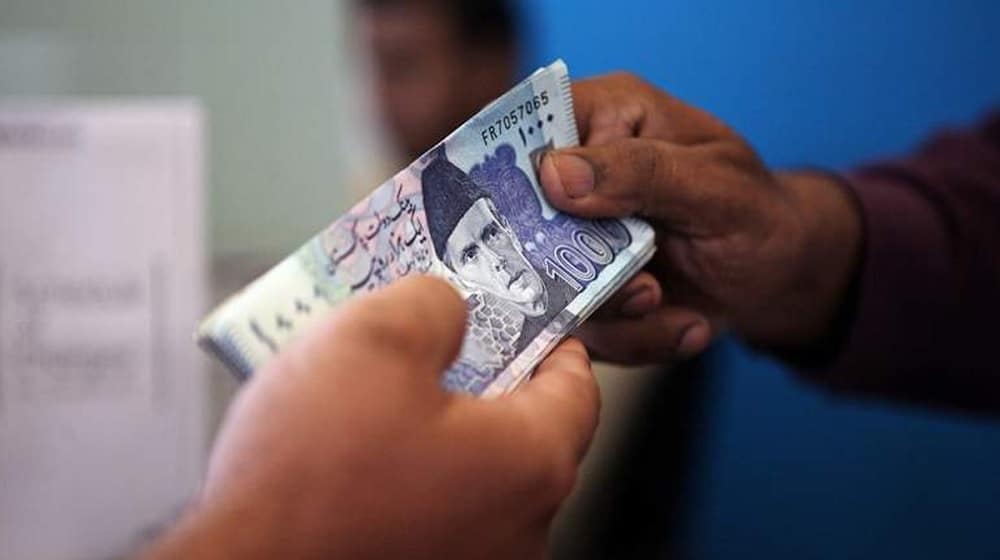
The structural recalibration of Pakistan’s public sector compensation is a necessary catalyst for national stability. For Budget 2026-27, the federal administration has proposed a strategic overhaul of government pay scales to modernize fiscal disbursements. This package introduces a 7% ad hoc relief allowance for civil servants and the armed forces, while simultaneously providing a 7% baseline increase for pensioners. By integrating legacy allowances into a unified framework, the state aims to enhance system efficiency and mitigate inflationary pressure.
The Structural Logic of New Government Pay Scales
The core of this reform involves introducing the “Pay Scales-2026.” This initiative merges the Adhoc Relief Allowance 2022 (15% of basic pay) and the Adhoc Relief Allowance 2025 (10% of basic pay) into the basic salary. Consequently, this consolidation simplifies the administrative overhead of payroll processing. All federal employees will then receive an additional 7% ad hoc relief on their updated running basic pay, effective July 1, 2026.
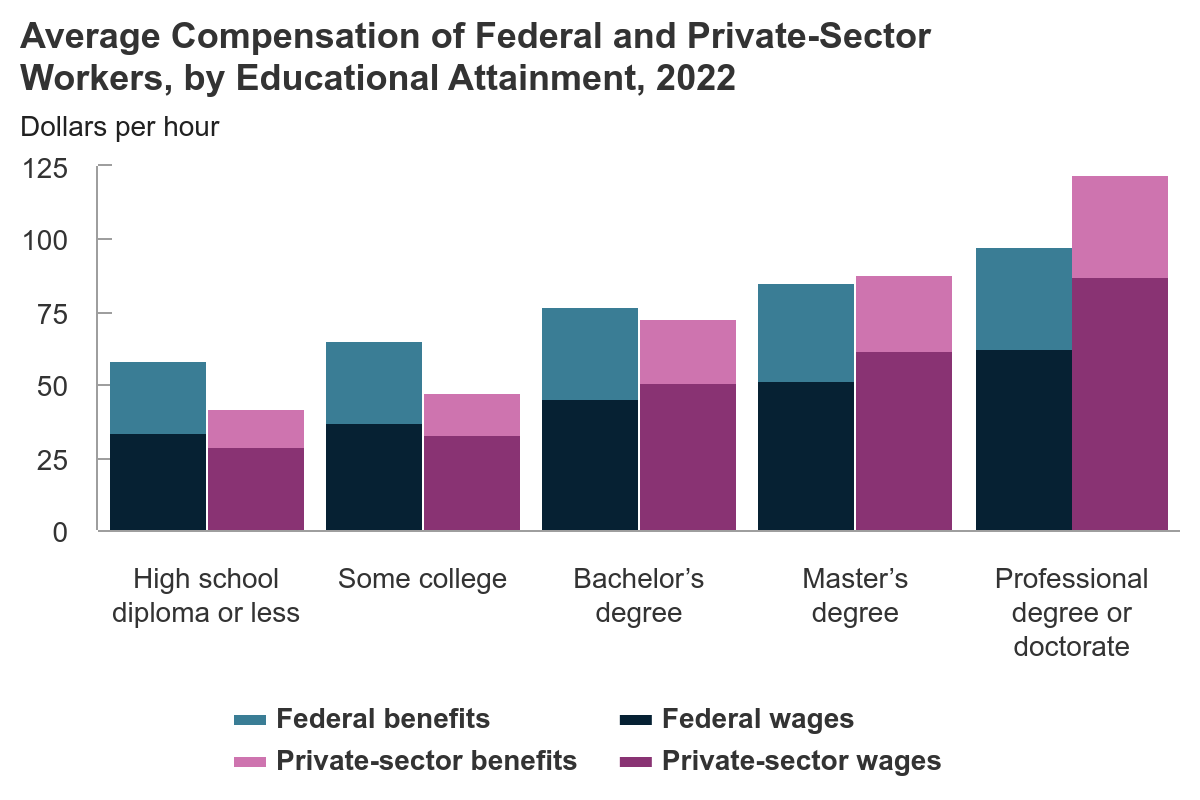
Furthermore, the government has proposed extending the Disparity Reduction Allowance 2026. This benefit, calculated at 15% of the 2022 basic pay, will apply to employees from BPS-1 to BPS-22. This move ensures that the lower-tier workforce receives equitable support during the transition to the updated government pay scales.
Calibrating Special Allowances for Operational Precision
The administration has specifically targeted specialized units for allowance revisions to maintain operational morale. For instance, the Constant Attendant Allowance for civil armed forces personnel will surge from Rs. 7,000 to Rs. 30,000 monthly. Additionally, the conveyance allowance is slated for a 50% increase across the board. These calibrated adjustments extend to the Pakistan Coast Guards, NACTA, and the Highway Police, ensuring that strategic security personnel are accounted for in the new fiscal baseline.

Key departments such as the Cabinet Division and the National Police Academy will also see significant special pay revisions. Officers in the Cabinet Committees wings may see their special pay rise from Rs. 6,000 to Rs. 20,000 per month. These targeted increments reflect a precision-based approach to incentivizing critical administrative roles within the federal infrastructure.
The Translation: Simplifying Fiscal Complexity
The proposed merger of allowances into government pay scales isn’t merely a clerical change; it represents a structural baseline shift. When the government “merges” allowances into basic pay, it essentially increases the permanent floor of an employee’s salary. Consequently, future increments and pension calculations will be derived from a higher primary figure, providing more long-term security than temporary ad hoc additions could offer.
The Socio-Economic Impact: Relief for Households
This policy change directly impacts the liquidity of thousands of Pakistani households. For civil servants and retirees, the 7% increase serves as a vital buffer against persistent inflationary pressures. While the percentage appears conservative, the 50% jump in conveyance allowances specifically lowers the daily cost of commuting for urban professionals. This marginal relief allows families to reallocate funds toward essential utility and healthcare costs.
The Forward Path: A Stabilization Move
We categorize this development as a Stabilization Move. While the revamp of government pay scales indicates a necessary shift toward administrative modernization, the 7% increase is a defensive measure against inflation rather than an aggressive expansion of purchasing power. To achieve a true “Momentum Shift,” the state must eventually decouple salary growth from inflation and link it to measurable productivity benchmarks within the civil service hierarchy.








