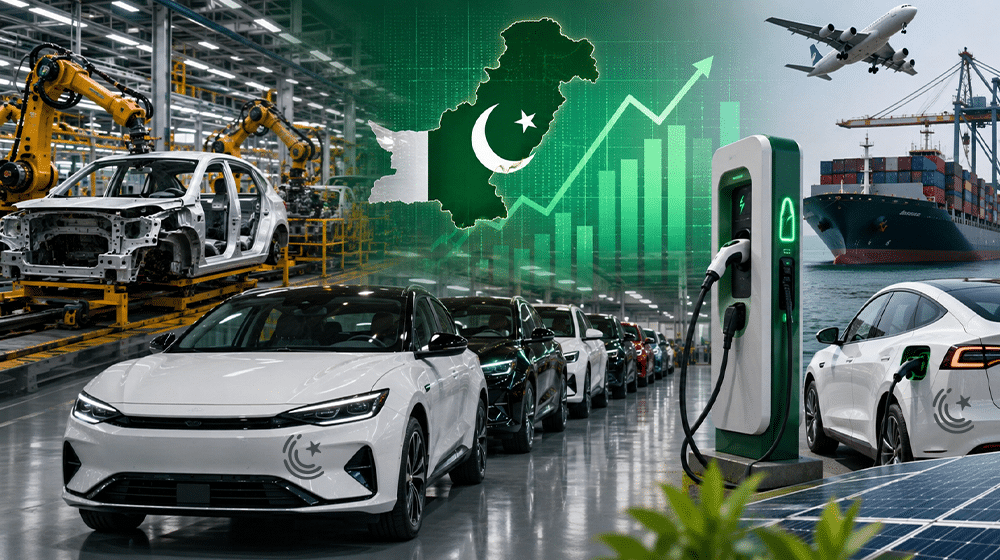
The Pakistani government has strategically decided to maintain high import duties on cars within the upcoming auto policy framework. This calibrated move aims to prevent the domestic market from being flooded by cheap imported vehicles, which could potentially destabilize the national automotive ecosystem. Consequently, the state is prioritizing the protection of local manufacturers and the security of nearly 2.5 million jobs linked to the automotive value chain.
The Strategic Logic of Import Duties on Cars
According to recent policy documents, authorities will maintain tariffs on imported vehicles between 40 percent and 75 percent. This structural decision aligns Pakistan with the protective policies of major automobile-producing nations like China and the United States. While the government plans a gradual reduction in tariffs for certain segments, it remains committed to protective duties on completely built units (CBUs) to safeguard domestic interests.
Incentivizing Precision Localization
The new policy serves as a catalyst for industrial evolution by offering specific incentives for localization. Specifically, automakers must increase the local production of components to qualify for preferential treatment. Those who fail to meet these calibrated localization targets will lose eligibility for government incentives. Therefore, only companies that invest deeply in Pakistan’s manufacturing infrastructure will receive continued state support.

The Situation Room Analysis
The Translation (Clear Context)
In simple terms, the government is using “Anti-Dumping” measures as a shield. By keeping import duties on cars high, they make foreign-made cars more expensive than those assembled locally. This isn’t just about taxes; it is a calculated effort to force global brands to build factories and hire workers inside Pakistan rather than just shipping finished products from abroad.
The Socio-Economic Impact
For the average Pakistani citizen, this policy represents a trade-off between variety and security. While it prevents a sharp drop in car prices in the short term, it secures the livelihoods of 2.5 million families dependent on the local industry. For students and young professionals in STEM, this policy ensures that the domestic automotive engineering sector remains a viable career path rather than a shrinking market.
The Forward Path (Opinion)
This development represents a Stabilization Move with the potential for a Momentum Shift. By maintaining these duties, the government is creating a baseline for industrial survival. However, the true progress will depend on whether local assemblers use this protection to actually innovate and lower costs, rather than just relying on the tariff wall to maintain high prices. The focus on localization is the correct strategic lever to pull.