
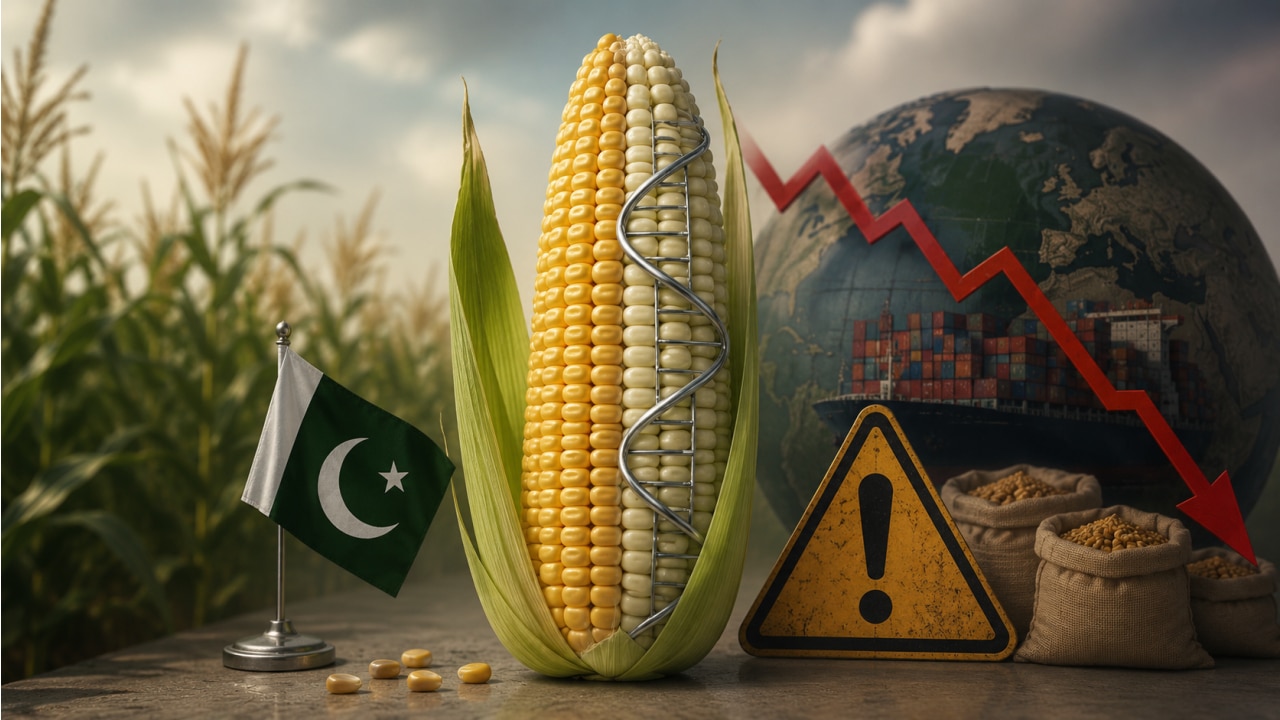
Pakistan is strategically calibrating its agricultural baseline to meet modern economic demands. The federal government has formally initiated a high-level review regarding the commercialization of genetically modified corn. This structural shift aims to integrate advanced biotechnology into the national food system, ensuring long-term sustainability and industrial competitiveness.
The Structural Framework of the Biotech Review
Finance Minister Muhammad Aurangzeb currently chairs the committee tasked with this evidence-based assessment. Consequently, the review focuses on the scientific, economic, and regulatory implications of adopting genetically modified corn. The Ministry of National Food Security and Research has already briefed members on international biosafety standards and regulatory benchmarks. Furthermore, the committee is analyzing how global markets manage the coexistence of biotech and conventional crops to ensure Pakistan remains competitive.
Strategic Pillars of Agricultural Modernization
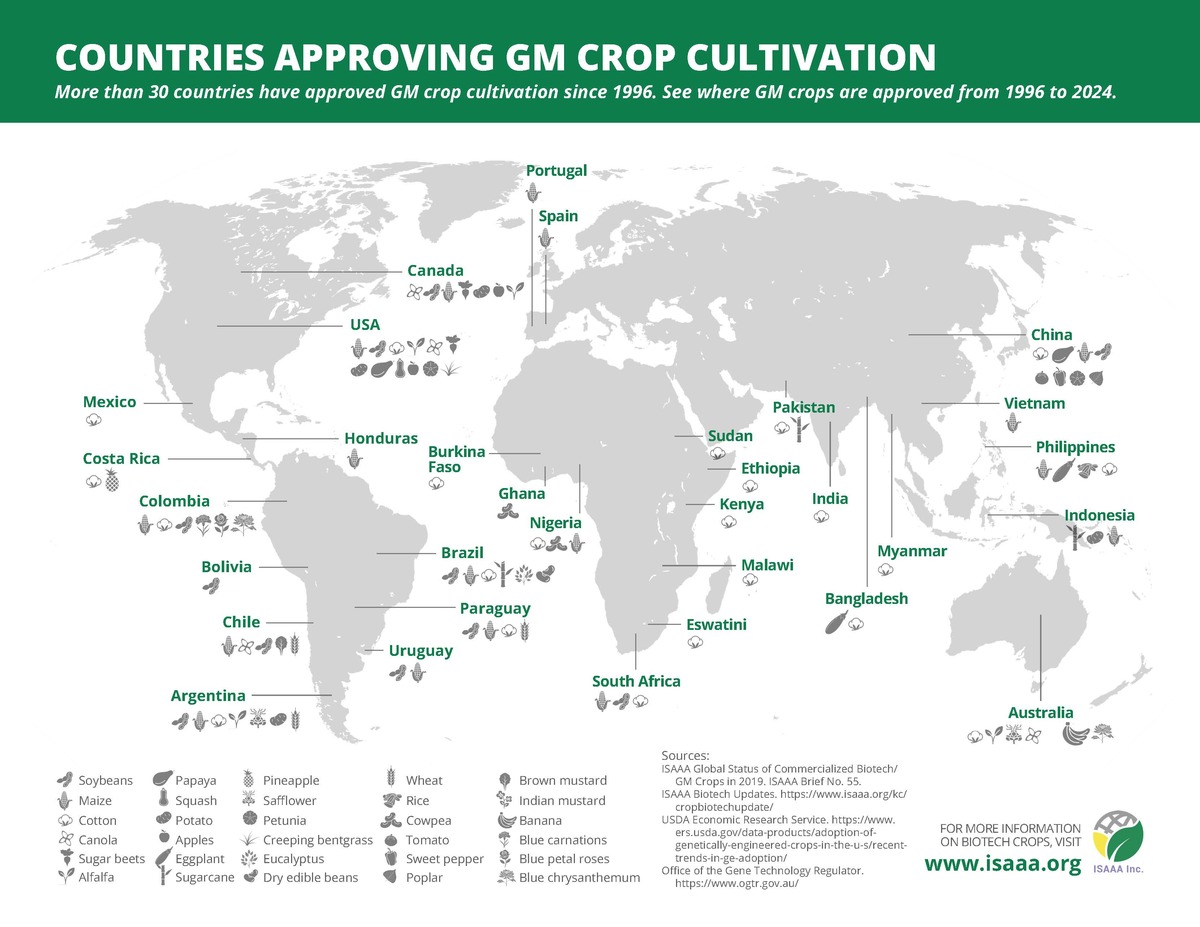
The review committee is examining several critical performance indicators. These include agricultural productivity, climate resilience, and farmer profitability. Specifically, the government is assessing the impact on the poultry and livestock sectors, which rely heavily on maize as a primary feed component. By optimizing these sectors, Pakistan can stabilize domestic prices and explore new export opportunities in international markets.

The “Situation Room” Analysis
The Translation
This initiative represents a transition from traditional farming methods to a precision-based biotechnology model. Rather than relying on outdated crop cycles, the government is seeking to “engineer” higher yields and pest resistance. The goal is to create a genetically modified corn policy that balances high-tech innovation with strict environmental safeguards and market certification requirements.
The Socio-Economic Impact
For the average Pakistani citizen, this policy shift could serve as a catalyst for lower food inflation. Increased corn yields directly reduce the production costs for the poultry and dairy industries. Consequently, households could see more stable prices for essential proteins like chicken and eggs. For rural farmers, the introduction of resilient seeds means reduced crop loss and improved financial stability against climate-driven volatility.

The Forward Path
This development represents a Momentum Shift for Pakistan. It indicates a move toward proactive agricultural engineering rather than reactive crisis management. While the committee must carefully calibrate regulatory readiness and export market access, the pivot toward biotechnology is a necessary step for national system efficiency.

The committee’s final recommendations will define Pakistan’s agricultural trajectory for the next decade. By prioritizing scientific evidence and national interest, the government aims to strengthen food security and empower the local manufacturing sector through biotechnological precision.








