
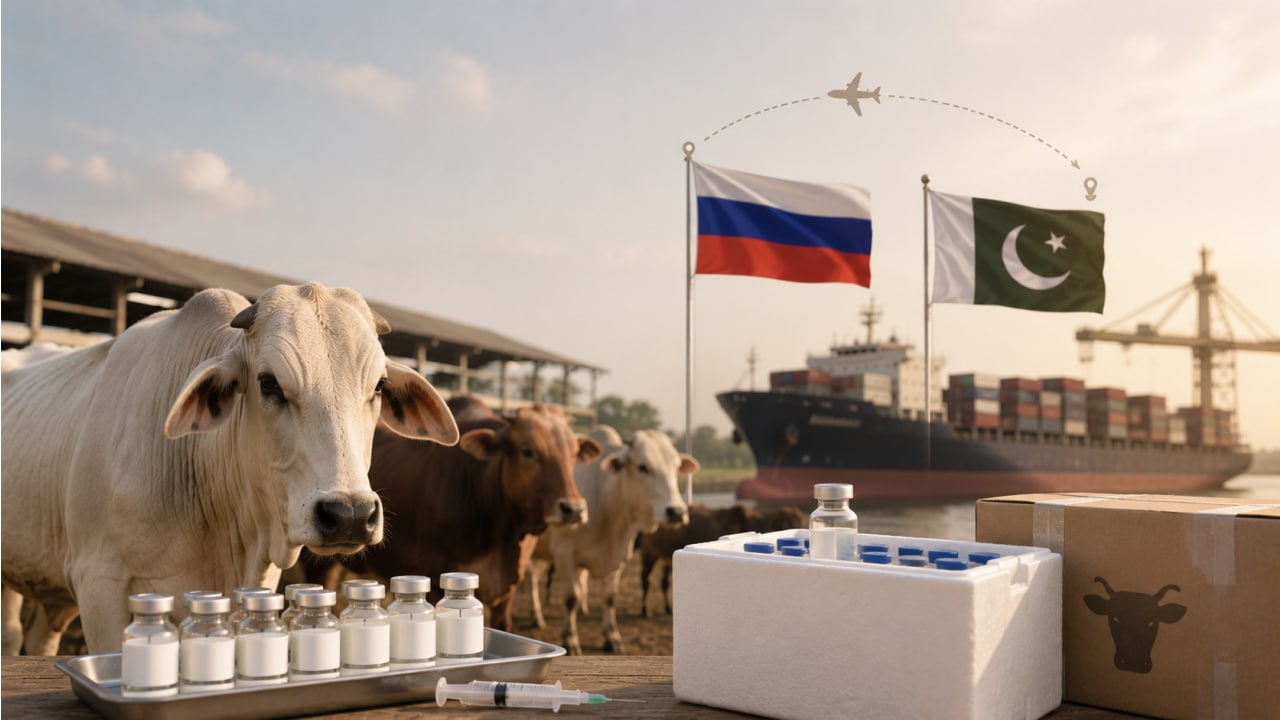
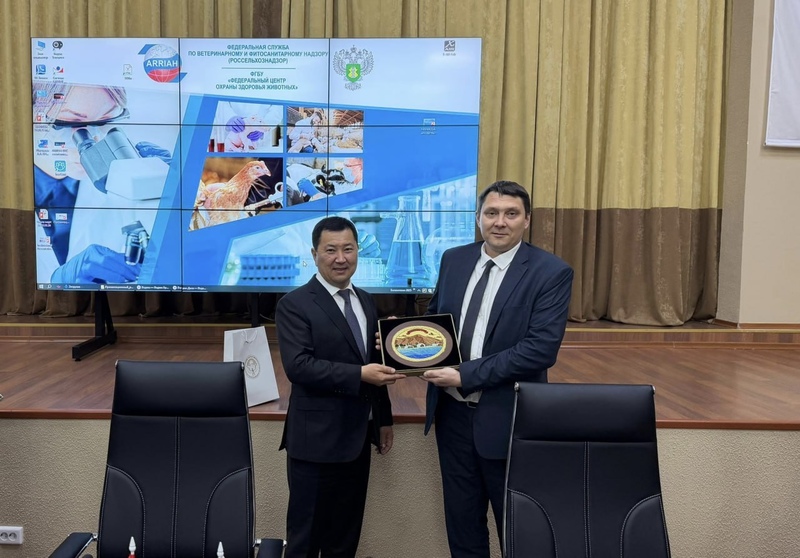
Pakistan has successfully restored its livestock vaccine supply chain with Russia, resolving the logistical bottlenecks that previously halted imports. This calibrated resumption of Foot-and-Mouth Disease (FMD) vaccinations serves as a precision strike against agricultural instability. Consequently, the government has cleared the path to protect millions of cattle, ensuring that the nation’s primary agricultural catalyst remains resilient against biological threats.
A Strategic Catalyst for Agricultural Resilience
The livestock sector functions as the structural baseline of Pakistan’s economy, contributing over 14 percent to the national GDP. Since 2012, Russian-manufactured FMD vaccines have provided a protective shield for cloven-hoofed animals through both private and public channels. However, a supply suspension in March 2024 created a strategic vulnerability that threatened production yields and international trade credibility.
Strategically, the Foot-and-Mouth Disease represents more than a health crisis; it is an economic disruptor. Outbreaks typically result in:
- Significant reduction in daily milk yields.
- Stunted growth and lower meat output.
- Trade restrictions from high-value international markets.
- Decreased profitability for small-scale rural farmers.
The Situation Room Analysis
The Translation (Clear Context)
Pakistan resolved the administrative friction that disrupted the livestock vaccine supply, allowing technical cooperation with Russia to resume. This isn’t just a purchase; it is a precision-engineered effort to maintain “herd immunity” within the national livestock population. By securing these imports, Pakistan ensures that its biological assets meet the stringent sanitary standards required for global commerce.

The Socio-Economic Impact
This development directly impacts the 62 percent of agricultural value addition that livestock generates. For the Pakistani household, this means stabilized prices for dairy and meat. Furthermore, it protects the primary income source for millions of rural families who rely on healthy cattle as a form of “living capital.” Consequently, improved disease control creates a baseline for economic mobility in underdeveloped regions.
The Forward Path (Opinion)
We categorize this restoration as a Momentum Shift. The government’s national meat sector transformation strategy targets $700 million in exports by 2028. Without a secure livestock vaccine supply, that goal is unattainable. This move signifies a shift from reactive crisis management to a proactive, structural alignment with international export protocols. Pakistan must now focus on localizing some of this production to prevent future supply chain shocks.








