
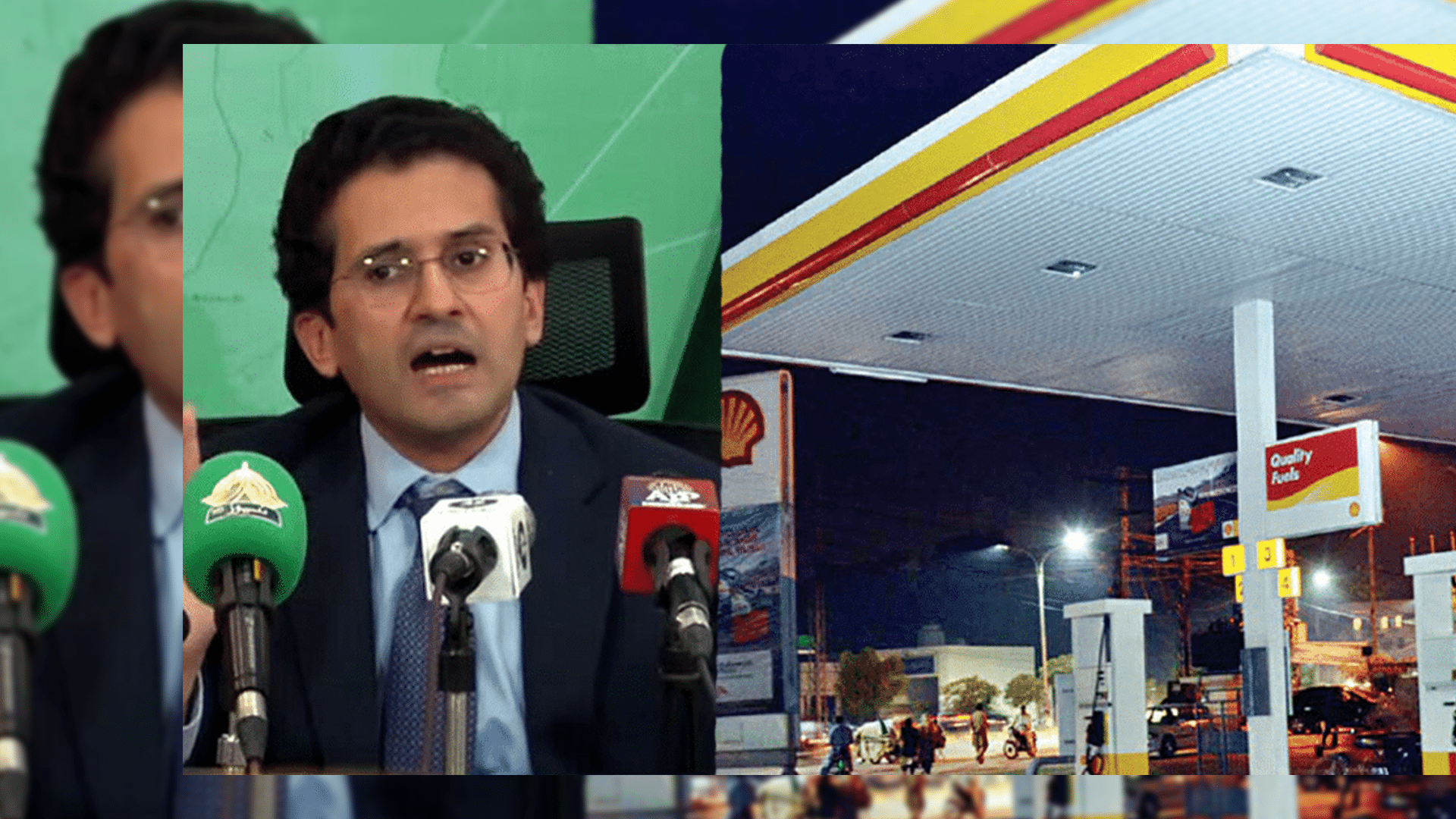
Federal Petroleum Minister Ali Pervaiz Malik recently underscored a critical baseline for national energy security: the urgent need to reduce fuel consumption. As global market volatility escalates, the government acknowledges its limited capacity to control international oil pricing. Consequently, domestic demand management has become the primary catalyst for economic stabilization. Minister Malik emphasized that lower consumption remains the most viable pathway to shield the national economy from external supply shocks.
Global Market Catalysts and Strategic Fuel Consumption
The international energy landscape is currently facing significant structural pressure. Specifically, proposed geopolitical shifts, such as new fees on Iranian oil shipments, create a precision-risk for importing nations. Furthermore, the effective closure of critical maritime corridors like the Strait of Hormuz necessitates a recalibration of supply routes. Although Pakistan currently utilizes alternative channels through Fujairah, these global developments continue to drive the baseline cost of energy upward.

Calibrating Domestic Reserves and Energy Stocks
To maintain systemic stability, the Ministry has confirmed that Pakistan holds adequate petroleum reserves for the immediate term. The current operational framework requires:
- Oil Marketing Companies (OMCs): Must maintain at least 20 days of fuel stocks as a licensing baseline.
- Local Refineries: Currently hold crude oil inventories sufficient for five to seven days of production.
- Petroleum Levy: Remains lower than pre-conflict levels, despite the rising pressure on the national exchequer.

The Situation Room: Analysis
The Translation
The government’s stance reflects a shift from market intervention to demand-side management. In simple terms, when global prices rise beyond a state’s fiscal capacity to subsidize, the only logical defense is to reduce the volume of use. This is not merely a request for “saving money” but a strategic move to prevent a balance-of-payments crisis triggered by an expensive energy import bill.
The Socio-Economic Impact
For the average Pakistani citizen, this development signals a period of disciplined energy use. Higher fuel costs typically act as a baseline for inflation in food and transport sectors. Students and professionals in urban centers should anticipate a surge in commuting costs, while rural households may face indirect price hikes in mechanized farming outputs. Austerity at the household level is no longer optional; it is a necessary economic defense.
The Forward Path
This development represents a Stabilization Move. While urging the public to conserve energy is a necessary short-term fix, it serves as a maintenance strategy rather than a momentum shift. For Pakistan to achieve true energy independence, we must transition from managing scarcity to building structural resilience through renewable energy integration and modernized public transport systems.








